Raptool blog: warehouse, RFID, scanning and retail
Solutions
Hardware
Technology
AI
Warehouse work
Platform
Integrations
Industries
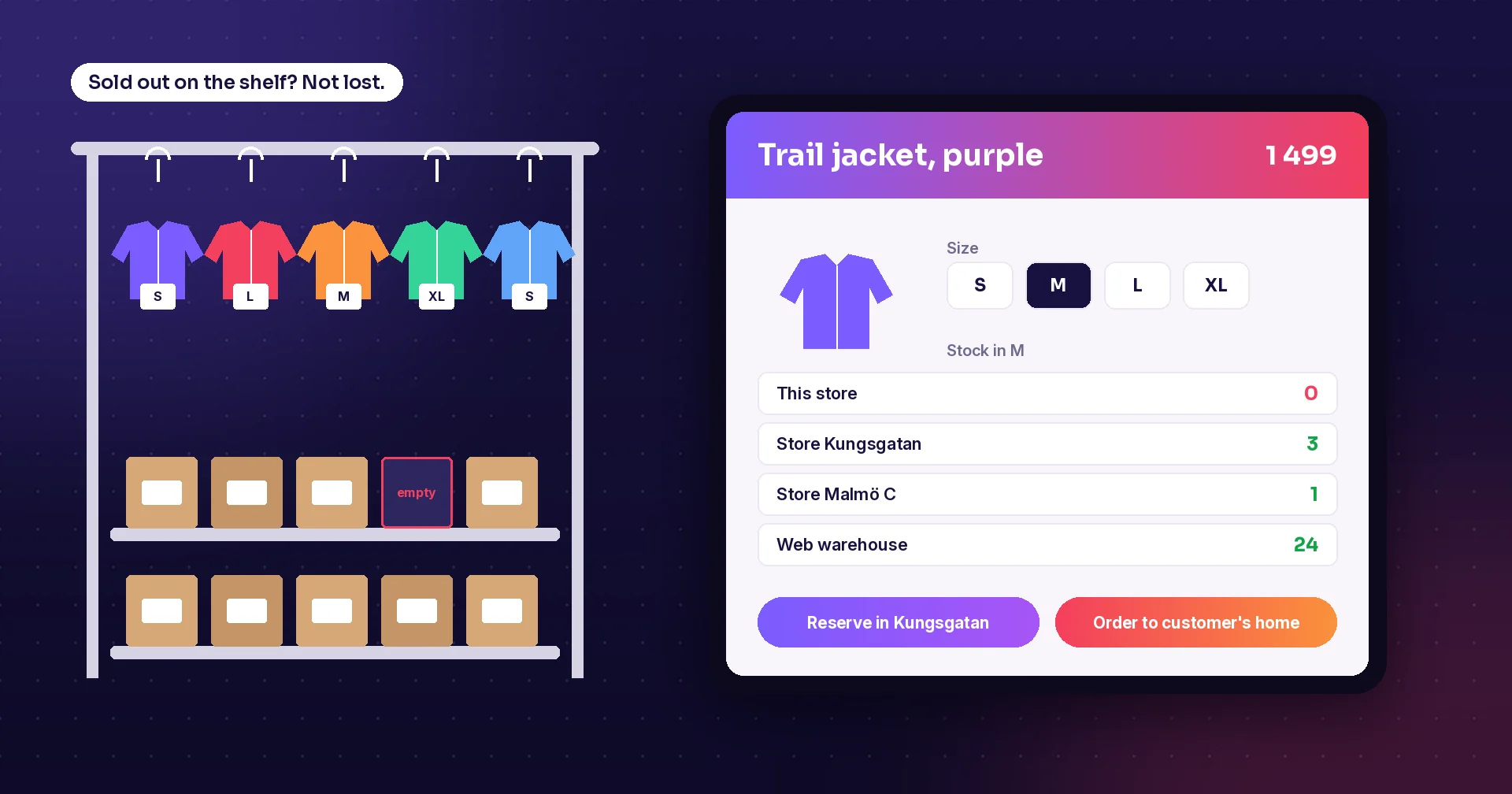
8 Benefits of Retail Software: Sell More, Waste Less, Serve Better
How retail software helps stores keep stock accurate, reorder on time, serve customers on the floor, pick web orders faster and print the right labels.
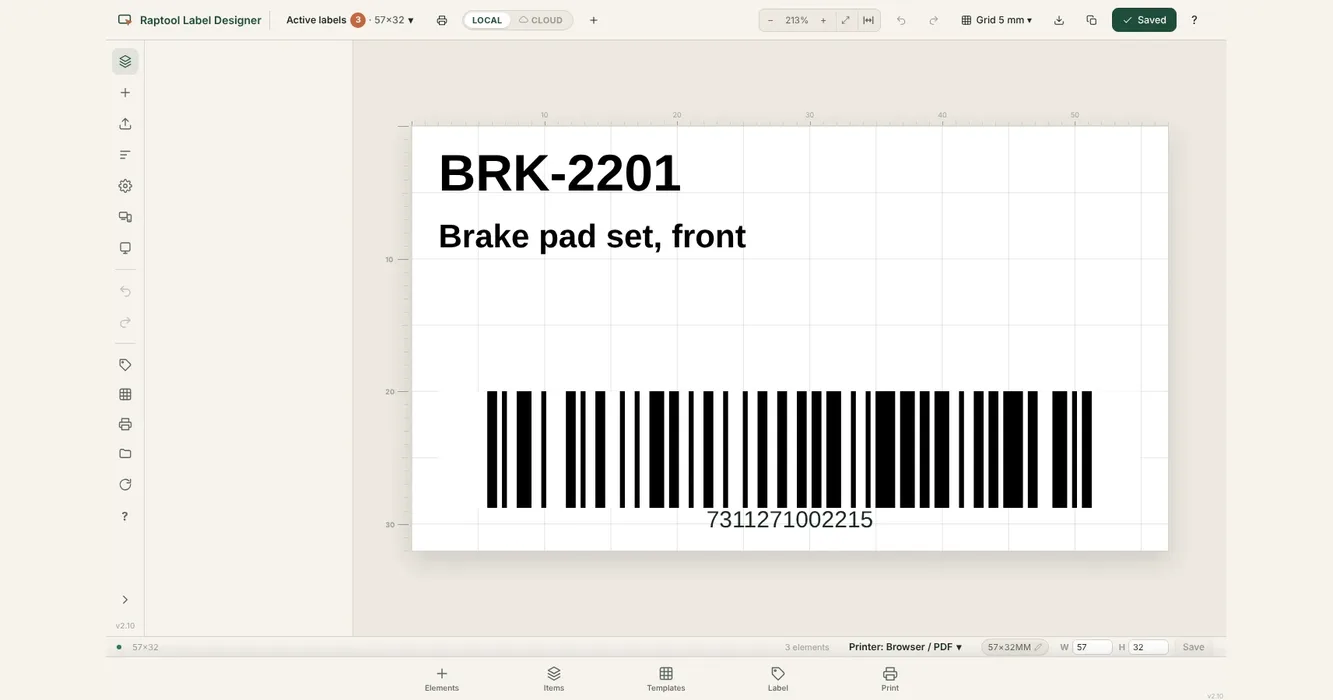
Label Template Design Guide
Plan label templates around the job, the data fields, the barcode, the printer and the scan back, so shelf, box and shipping labels work the first time.

Inspection Checklists: App vs Paper
Compare paper and app-based inspection checklists for vehicles, buildings, cleaning and safety equipment, from photos and signatures to fault follow-up.
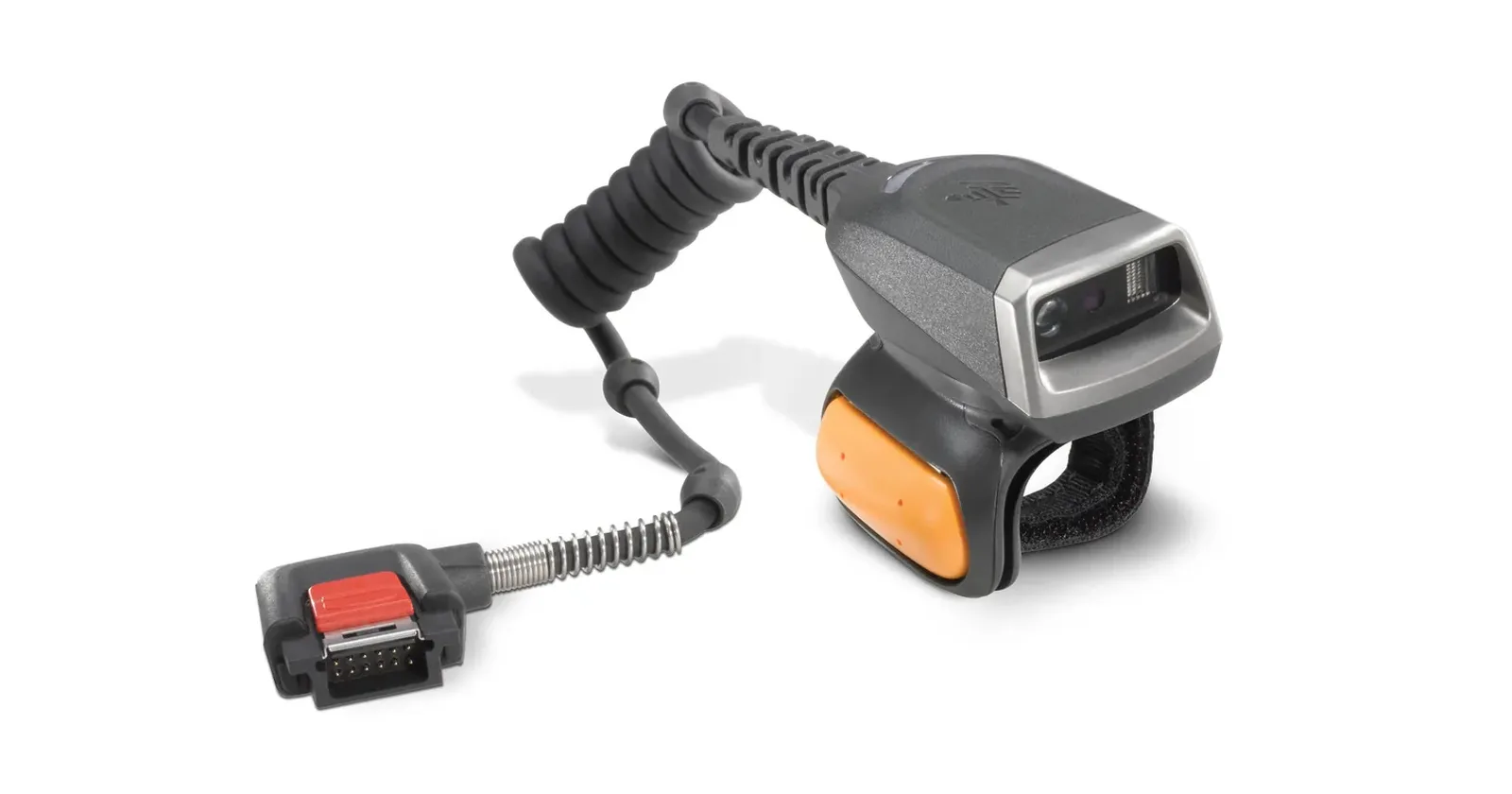
Managing a Fleet of Handheld Scanners
Practical routines for running handheld scanners in a small warehouse or store: device register, standard setup, logins, charging, spares, updates and Wi-Fi.

Build a Warehouse Cycle Counting Schedule
Build a cycle counting schedule with clear count scopes, movement rules, recount decisions, adjustment approval, and follow-up for recurring differences.

CRM Tools for Sales and Operations
Choose CRM tools around customer follow-ups, clear ownership, mobile work, and the handoff from sales to orders, stock availability, and customer service.
Minimum Stock and Reorder Planning
Review minimum stock levels with a warehouse routine covering supplier lead times, available quantities, open orders, and replenishment responsibilities.

Retail Backroom-to-Shelf Replenishment
Create a practical retail replenishment routine: check shelf gaps, find backroom stock, record moves, and separate restocking tasks from new supplier orders.
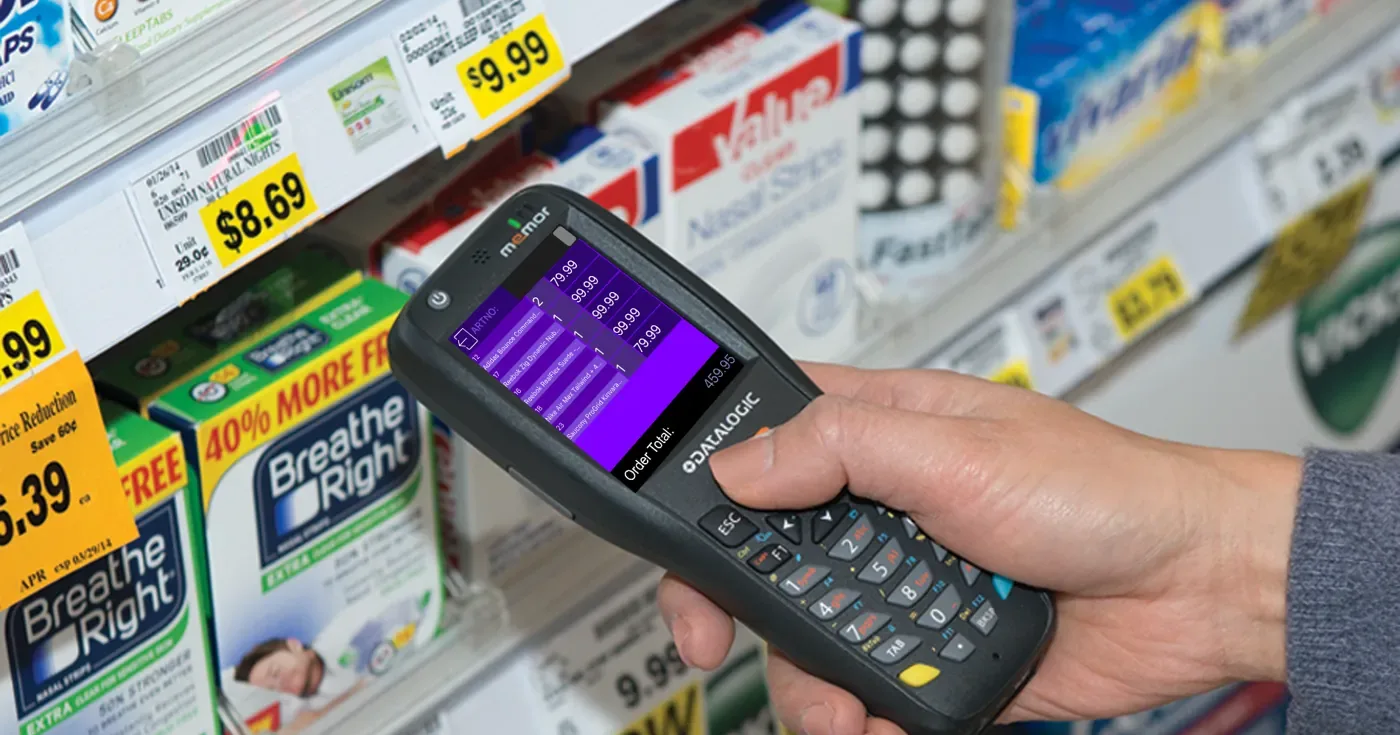
Retail Shelf Labels and Price Changes
Organize retail price changes with a clear routine for product identification, price checks, label printing, shelf placement, and exception handling in store.
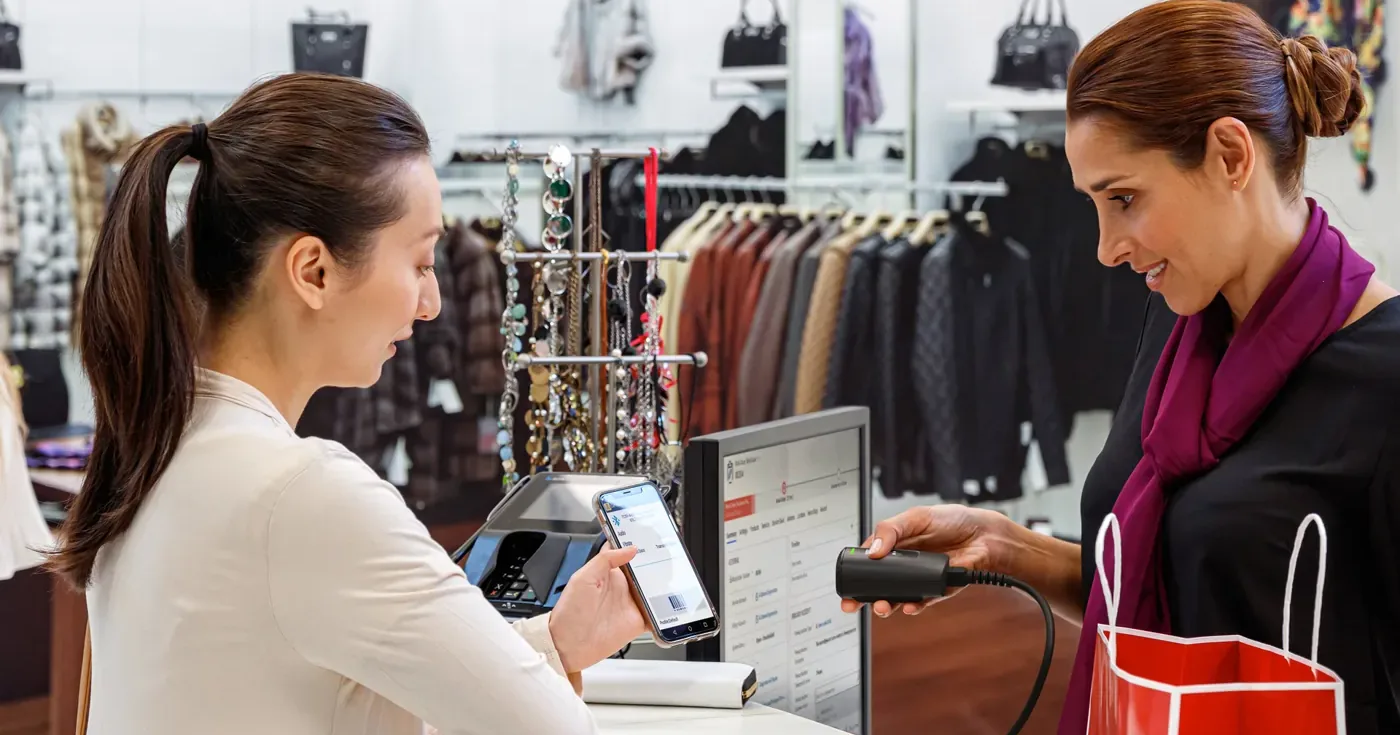
Store-to-Store Stock Transfers: A Guide
Plan store-to-store stock transfers with clear requests, source checks, dispatch records, receiving confirmation, and exception handling across retail branches.

Warehouse Packing and Shipping Checklist
Plan a packing and shipping workflow: verify picked goods, record parcels, create carrier labels, and resolve exceptions before orders leave the warehouse.
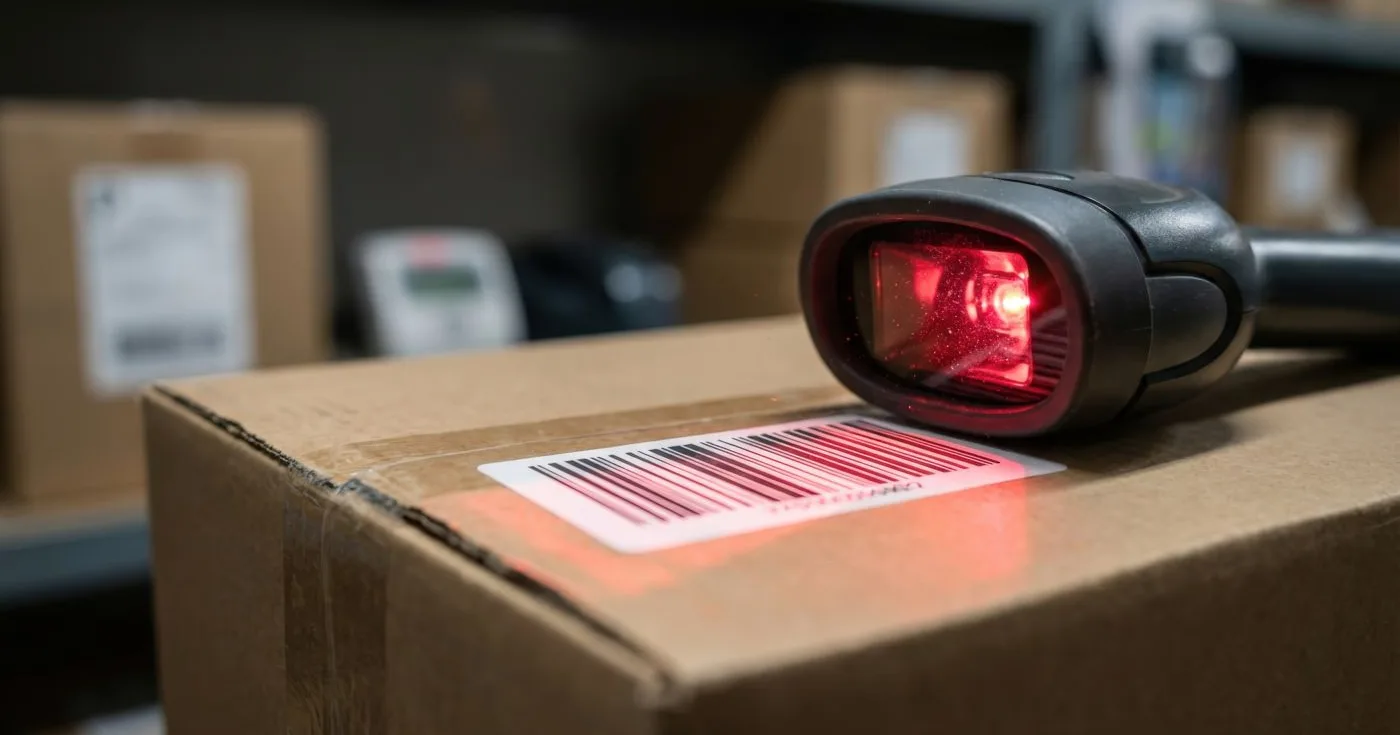
Warehouse Receiving and Put-Away Checklist
Build a clear warehouse receiving process: check deliveries, record shortages, handle damaged goods, and confirm put-away before stock reaches the pick face.

Warehouse and ERP Integration Checklist
Prepare a warehouse and ERP integration with clear data ownership, matching item codes, status rules, error recovery, and a practical end-to-end pilot plan.
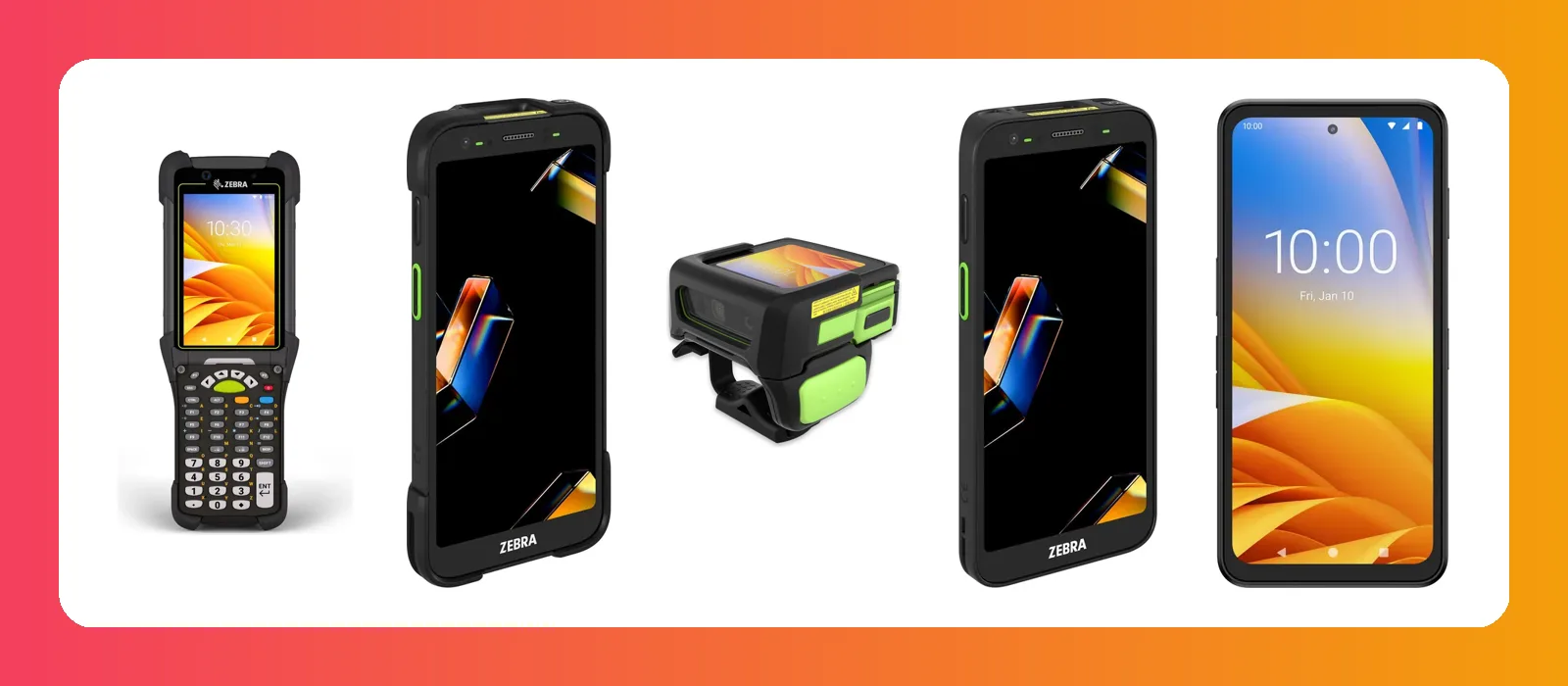
Finally: compare Auto-ID devices side by side
Compare rugged handhelds, wearables and tablets from Zebra and Honeywell side by side: scanning, battery, sealing and drop rating. Then ask a local partner.
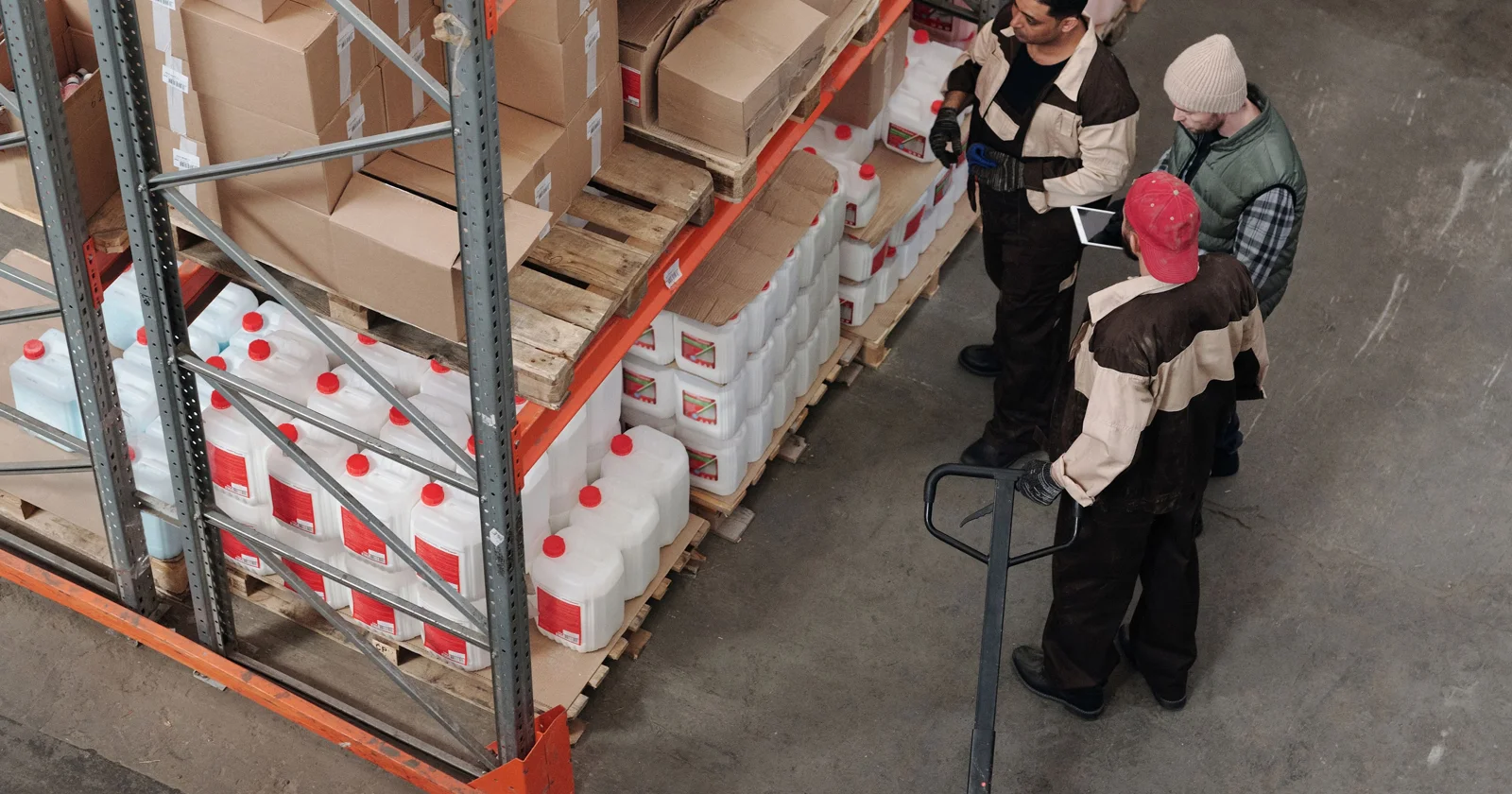
10 Uses of AI in Warehousing That Can Save Money
Explore 10 practical uses of AI in warehousing, with reported productivity gains, worked euro savings examples and a guide to measuring warehouse ROI.

Raptool Kiosk Hardware: iPad, Android or Windows?
Compare 10 Raptool kiosk hardware setups: iPad mounts, Elo and other Android panels, and Windows systems for hotel, retail and visitor workflows.
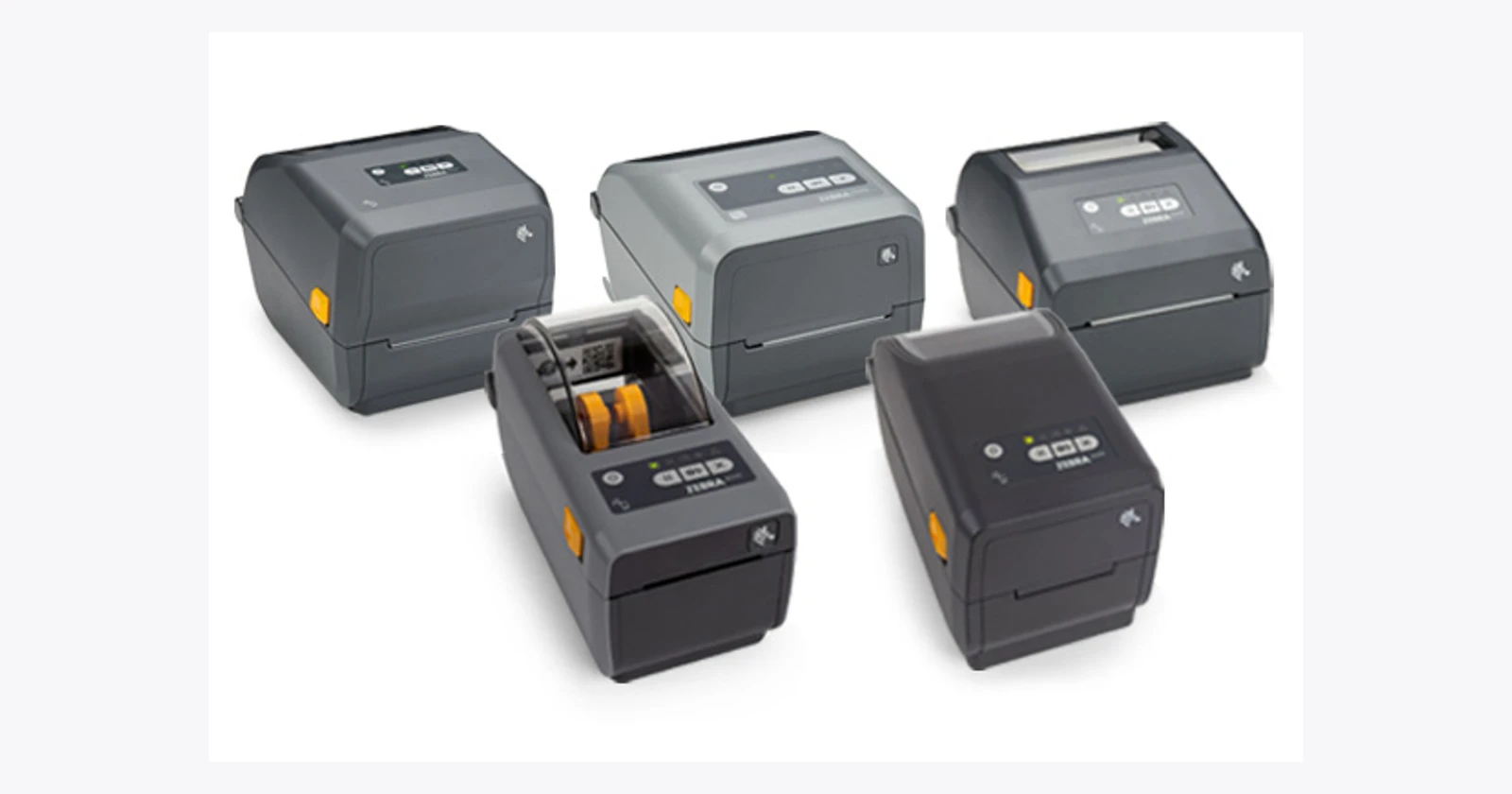
Your warehouse is waiting for a label. Is the printer really the problem?
ZD421, ZT411 and ZT610: how to choose a printer around the work, avoid configuration traps and measure time saved beyond the printhead.
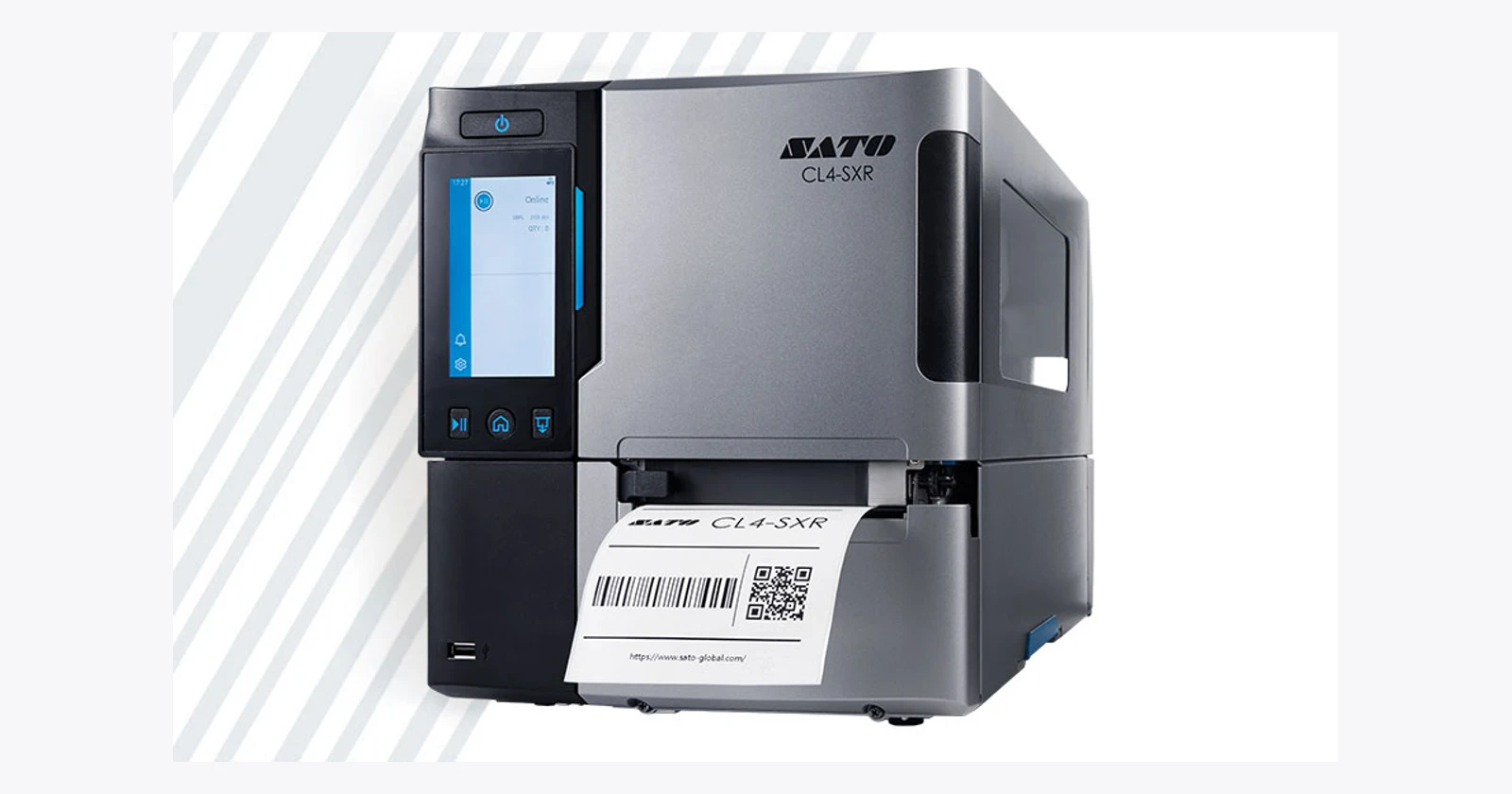
Stop walking back to the printer. SATO’s new lineup puts the workflow first.
A practical look at the new CL4-SXR, established CT4-LX and mobile PW4NX: where each can save handling, and what the specifications do not settle.
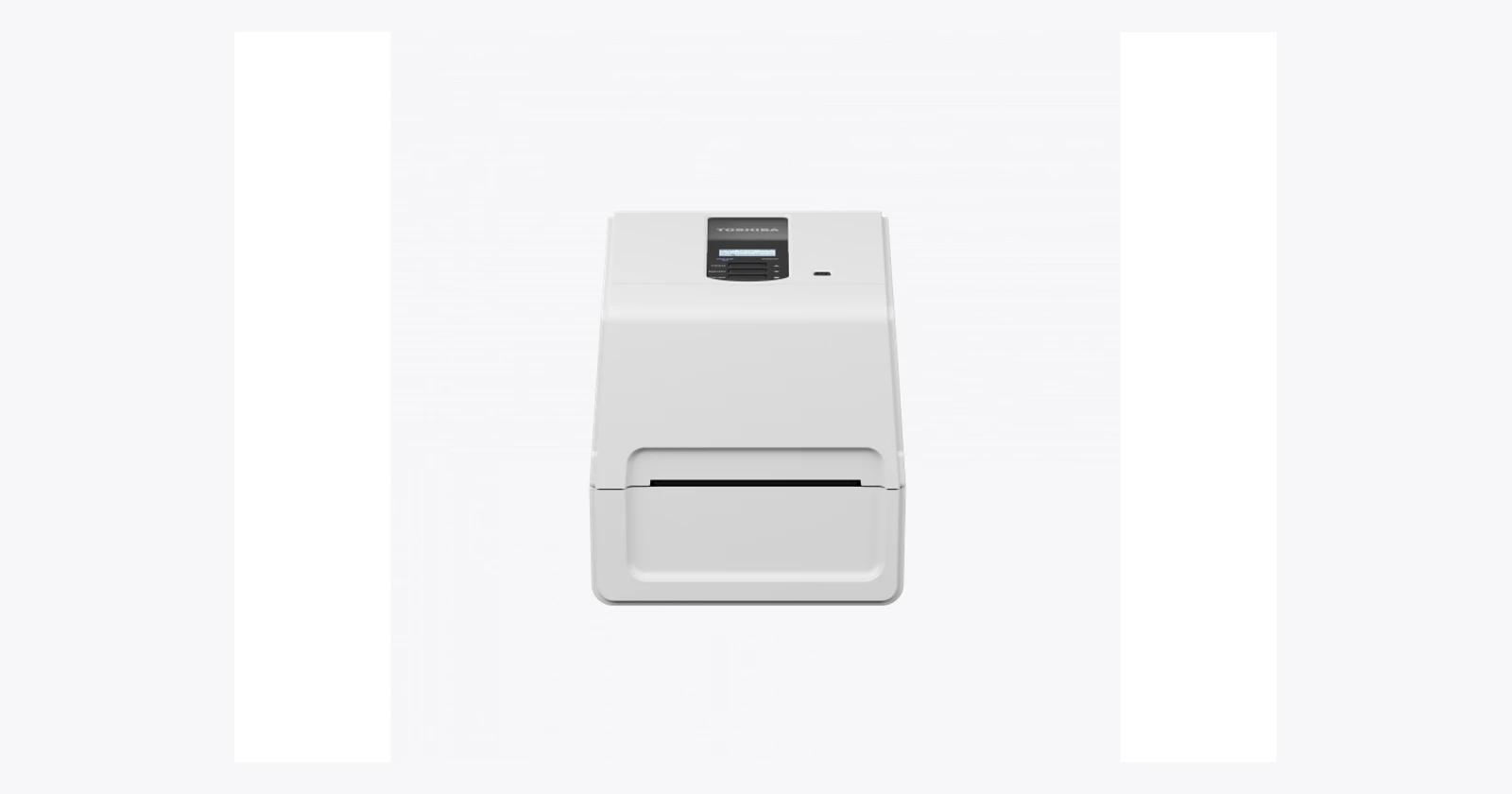
A bigger printer will not fix a bad label workflow. Buy the right width first.
From the BV410T desktop to BX410T industrial and the 2026 BX820T wide-format release: a practical Toshiba label-printer comparison.
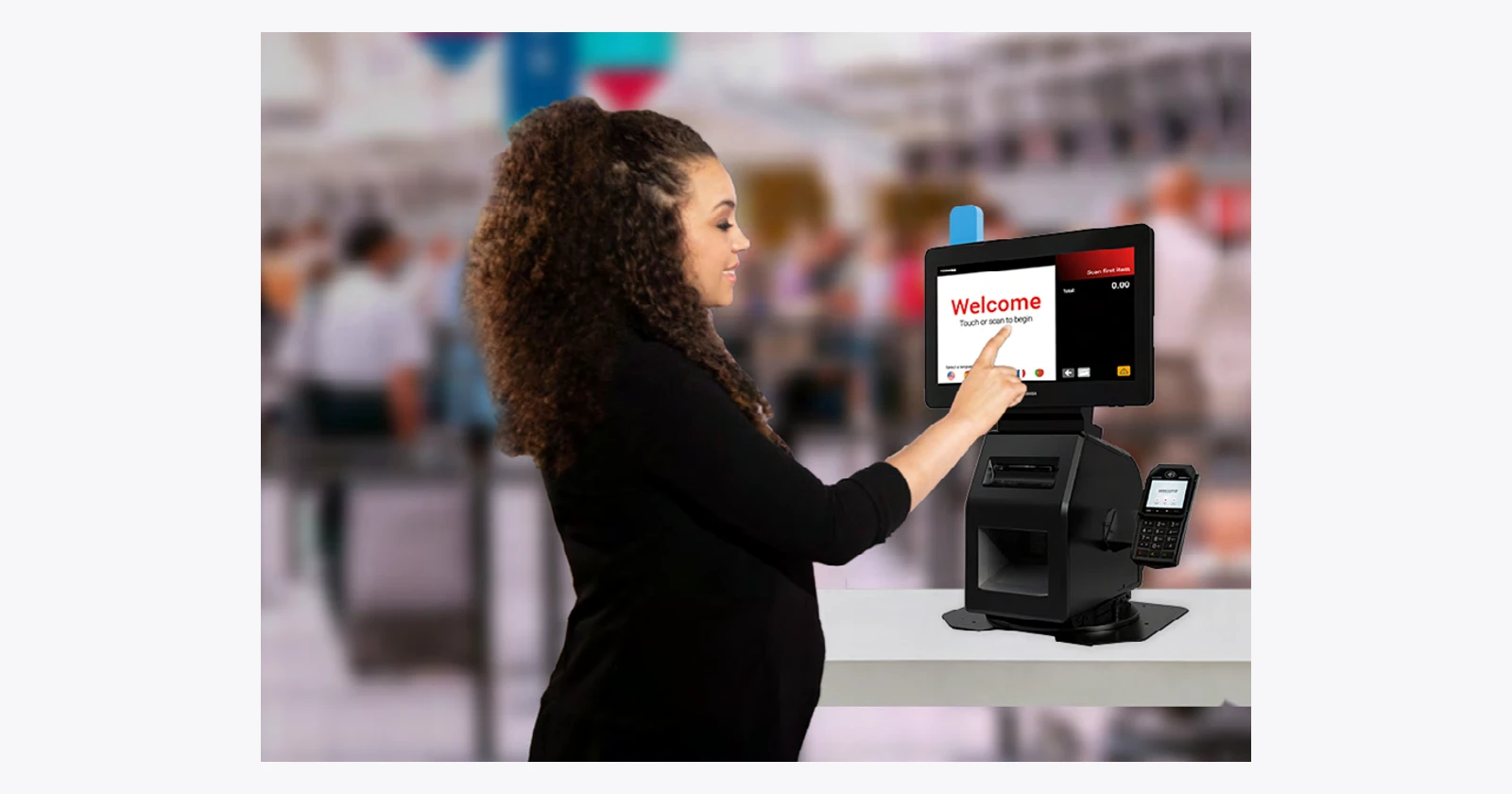
Self-checkout should shorten the queue. Why does it keep asking for help?
Toshiba’s Pro-X Hybrid Kiosk and MxP Vision Kiosk take different routes to self-service. Compare the task, the exceptions and the people who keep it working.
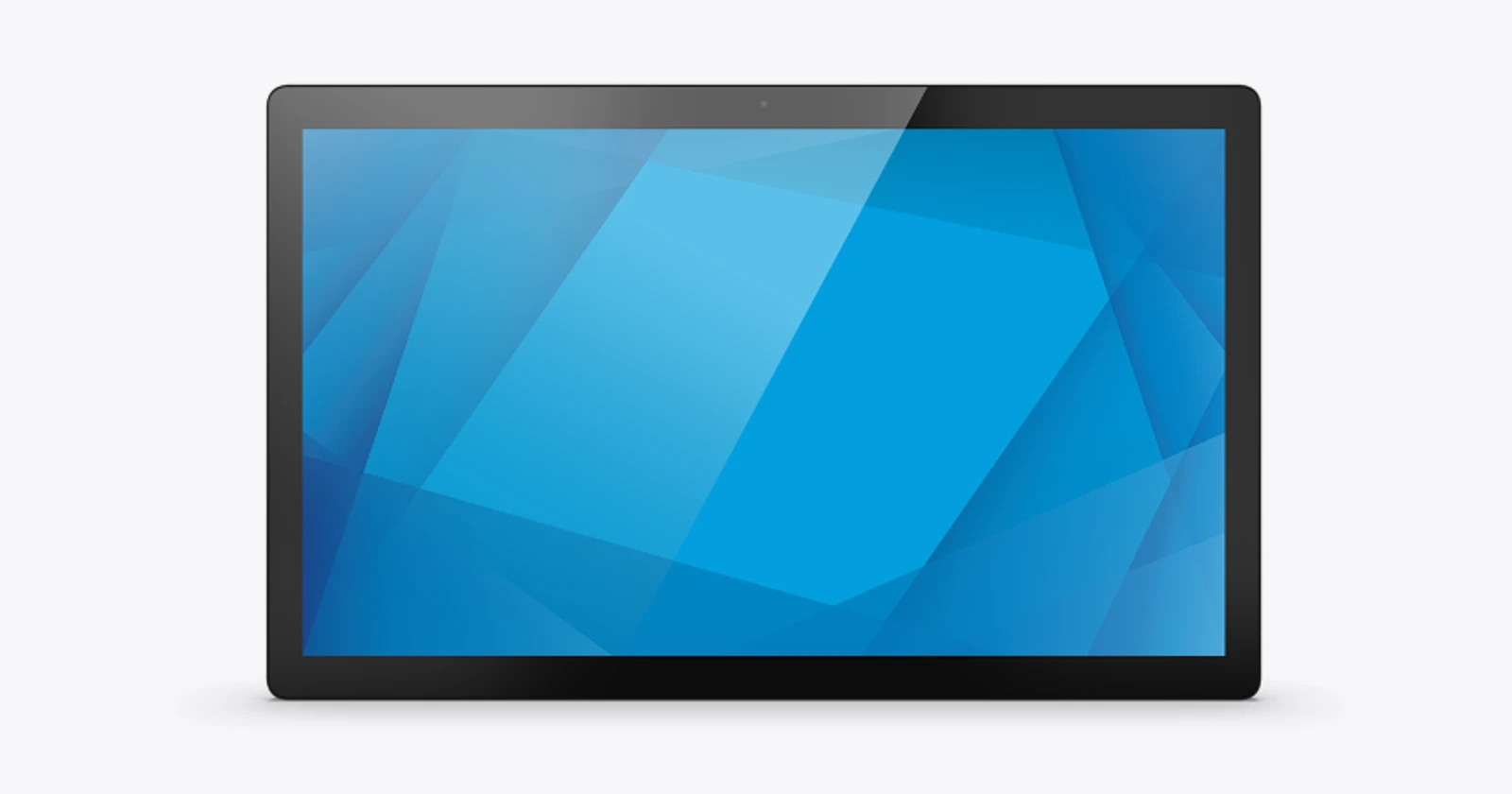
You bought a kiosk. Why are customers still waiting?
Elo touch computers and Wallaby stands can support self-service. The time saving depends on the transaction, the peripherals and what happens when someone needs help.
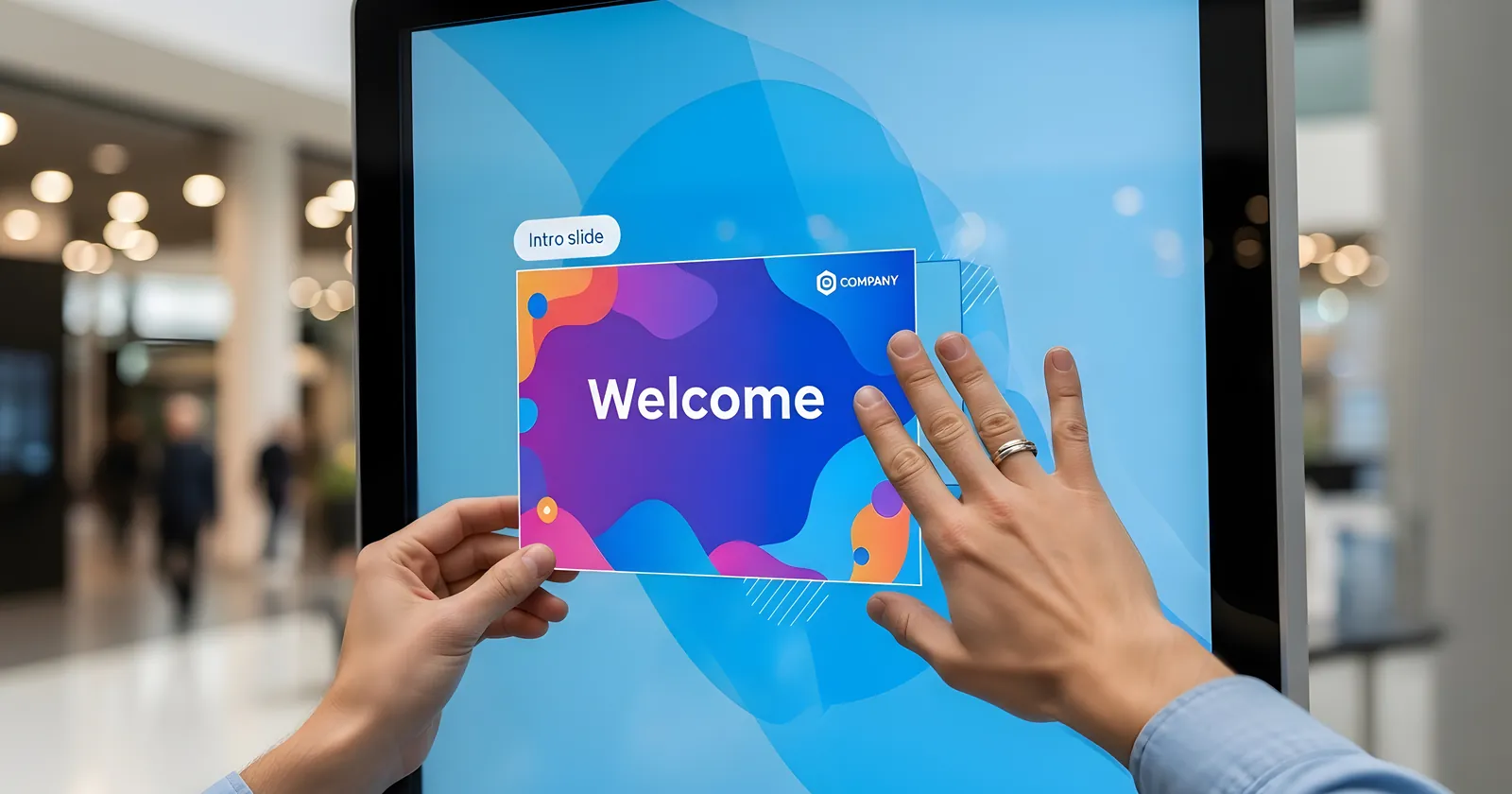
Retail Kiosks: Help Shoppers, Reduce Queues and Recover Sales
Explore retail kiosks and Elo touchscreens for product information, price checks, self-checkout and endless aisle, with practical benefits and ROI examples.

Warehouse Hardware: Choose the Right Tool
Compare 10 warehouse hardware options for Raptool WMS: camera phones, barcode handhelds, keyboards, pistol grips and RFID, plus paper and Excel workflows.
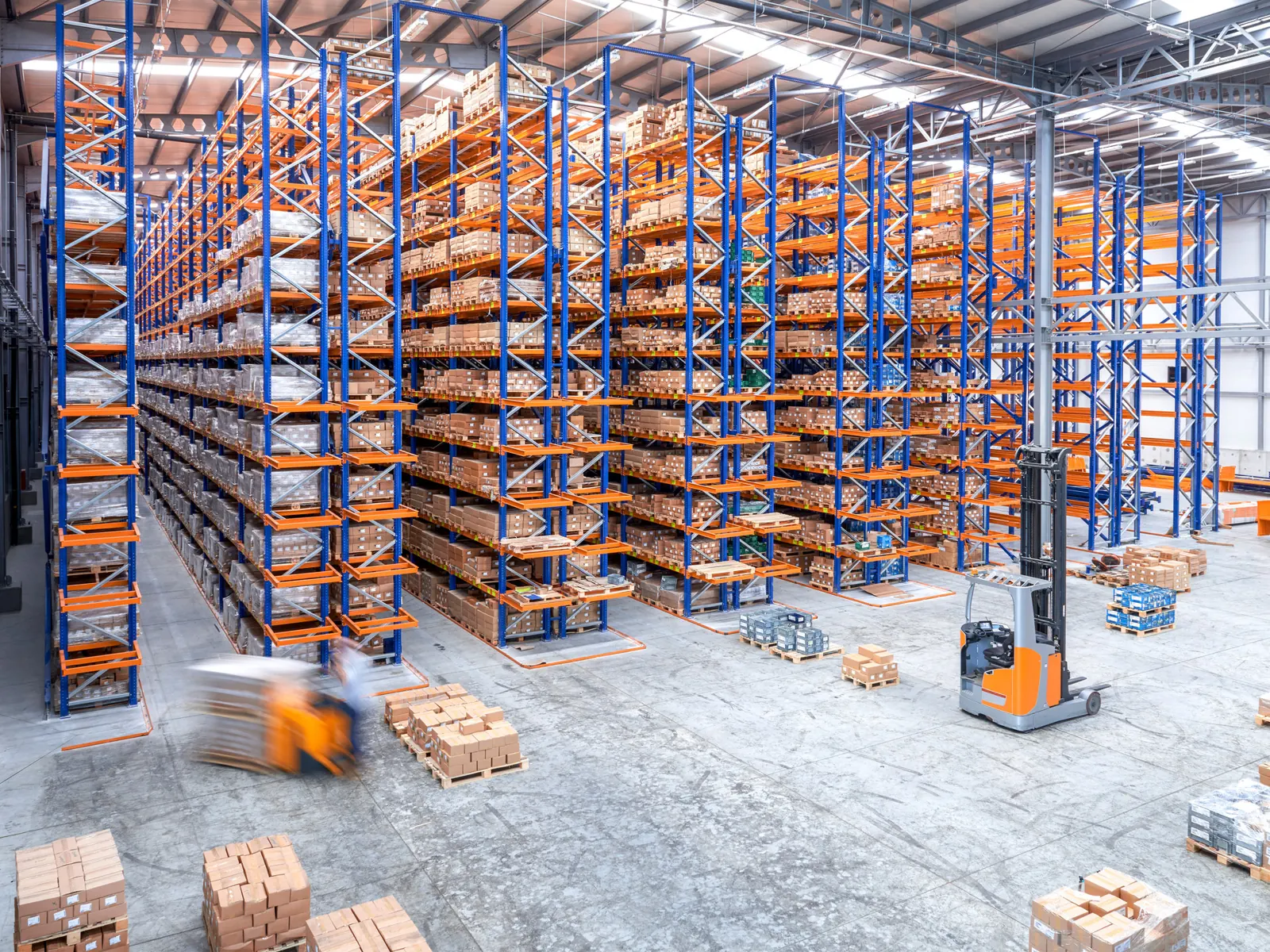
Offline Mode: Keep Scanning When Wi-Fi Drops
Offline mode keeps warehouse scanning going when Wi-Fi drops in racking, cold stores and yards. What to look for in an offline warehouse app, and why it pays.
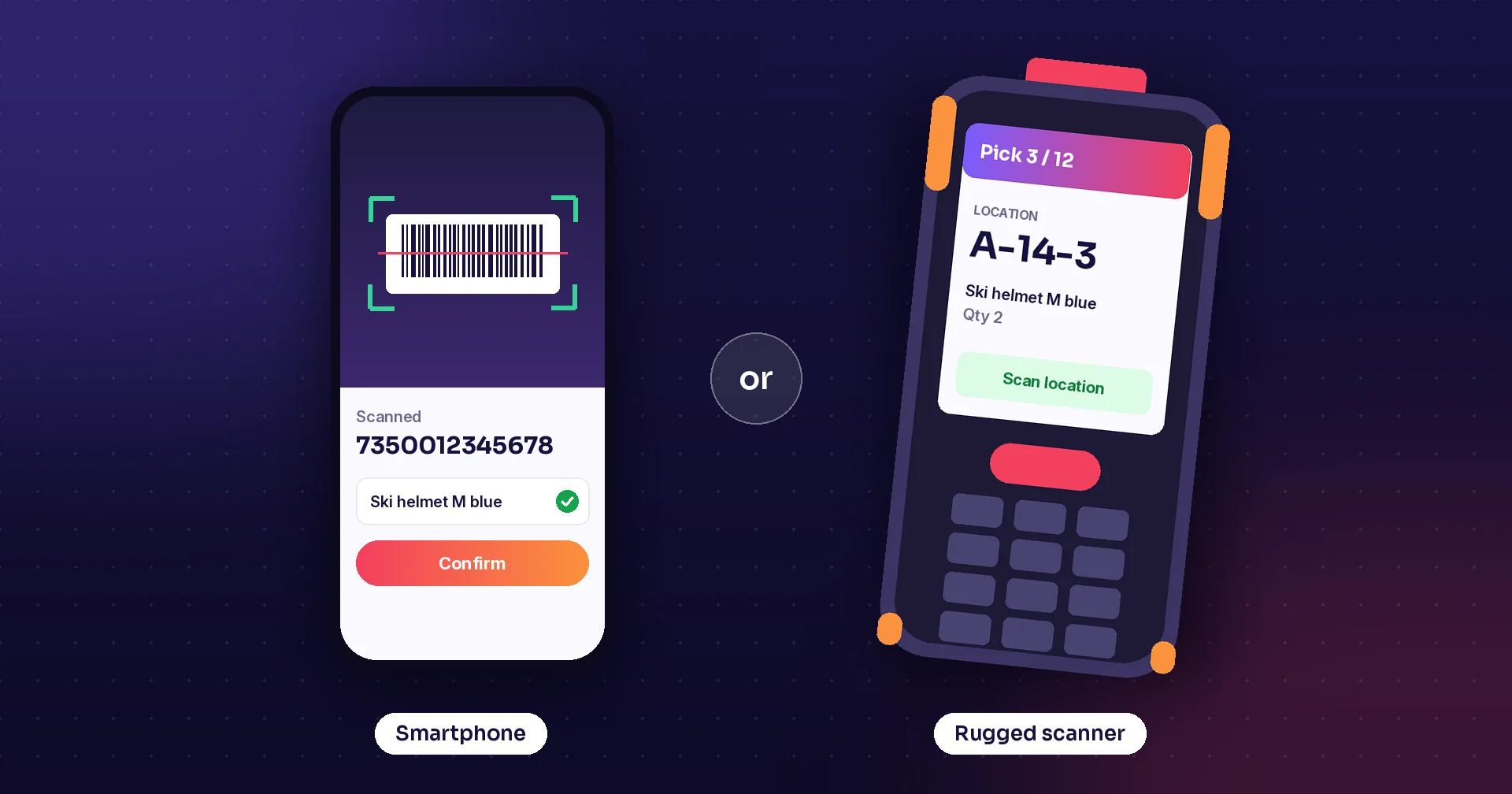
Rugged Scanner or Smartphone? How to Choose Devices for Warehouse and Field Work
Smartphones, phones with a scanner sled, rugged phones, rugged handhelds and wearables compared: scanning speed, durability, battery life and total cost.
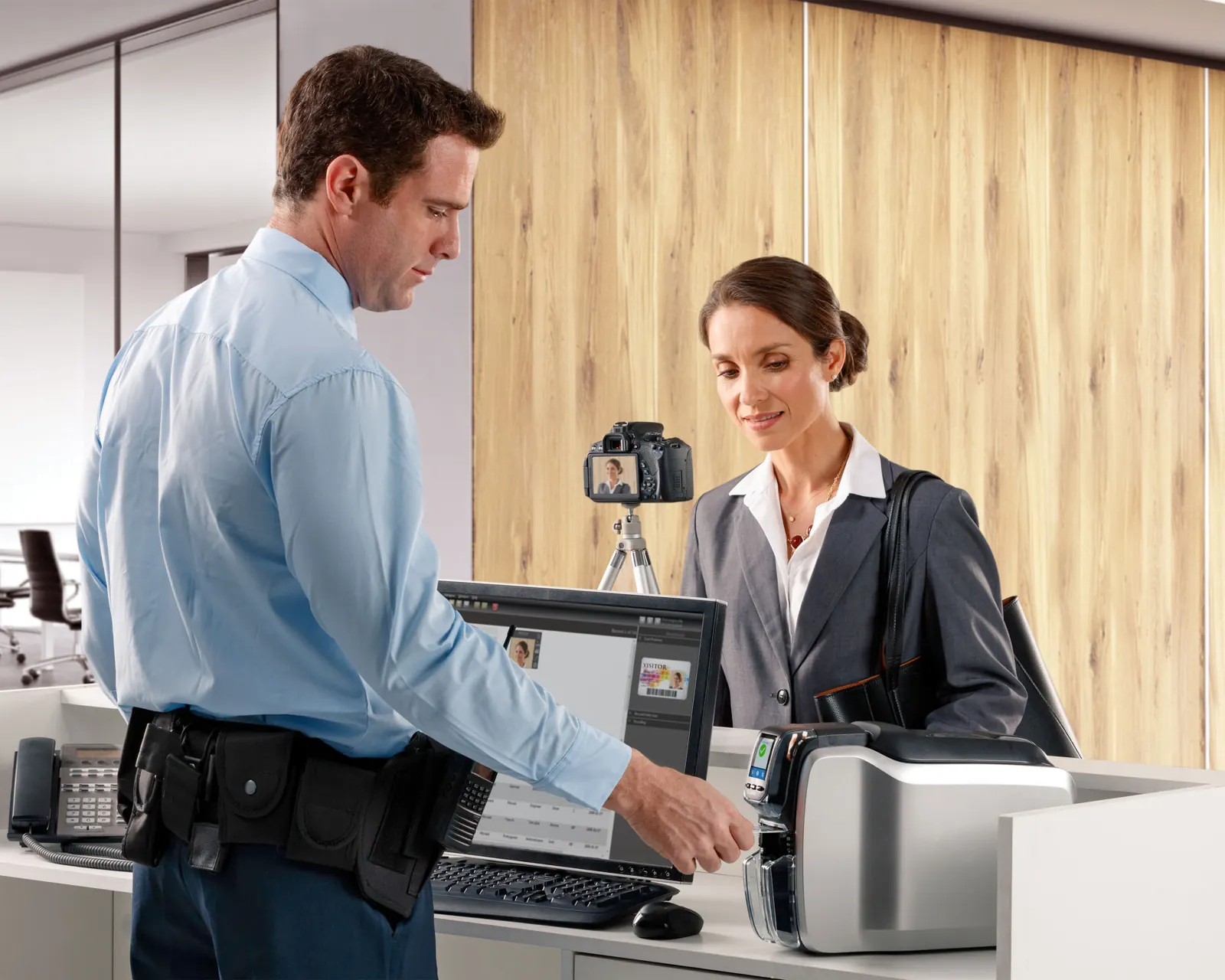
RFID Visitor Management in Retail: Worth It?
Is an RFID visitor management system worth it in retail? See where RFID visitor badges pay off for head offices, DCs and stores, and where QR is enough.
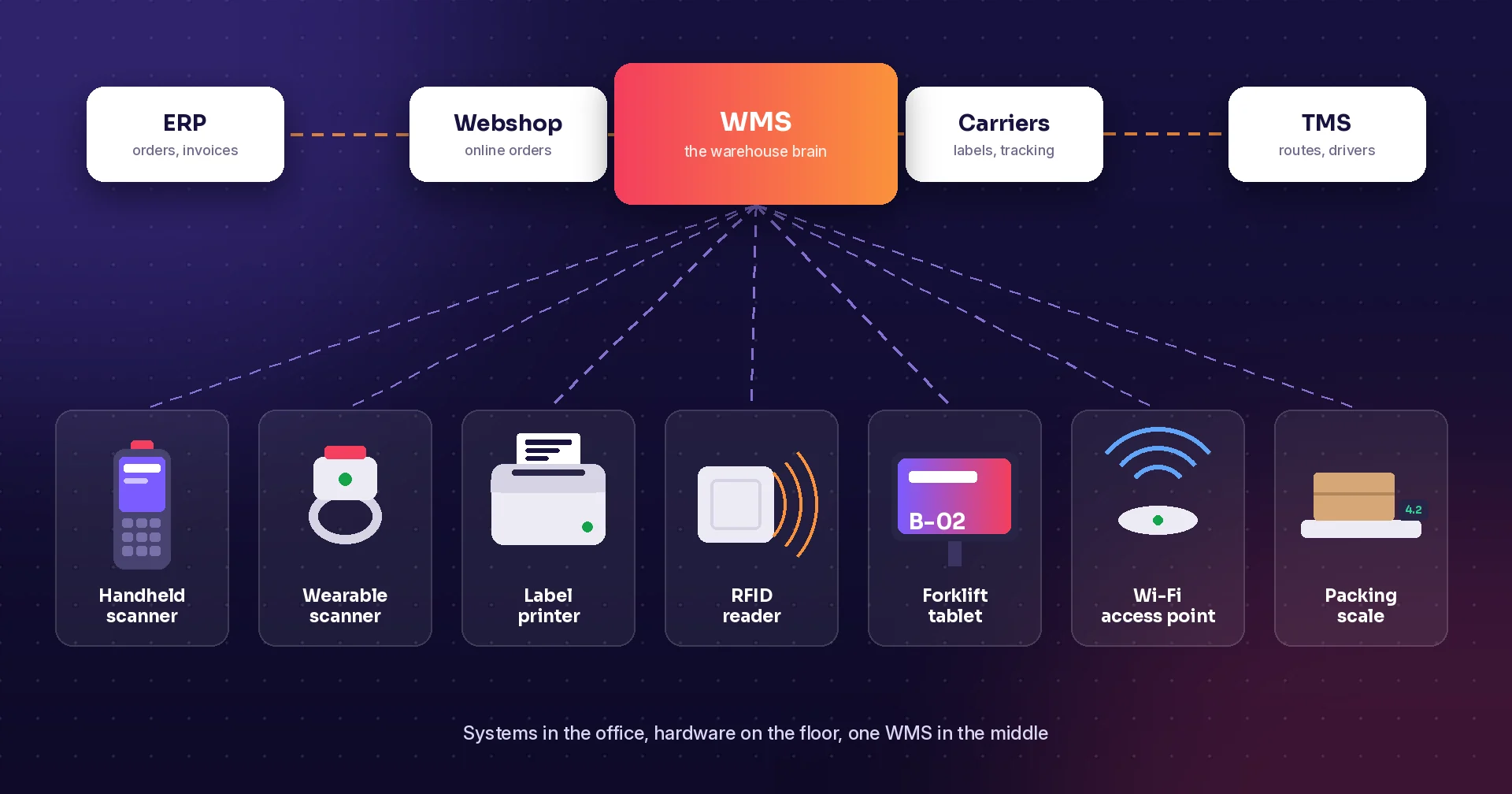
Warehouse Systems and Hardware: The Complete Checklist
Every system and device a modern warehouse needs, from ERP and WMS to handheld scanners, label printers, RFID and Wi-Fi, with a starter kit for small warehouses.
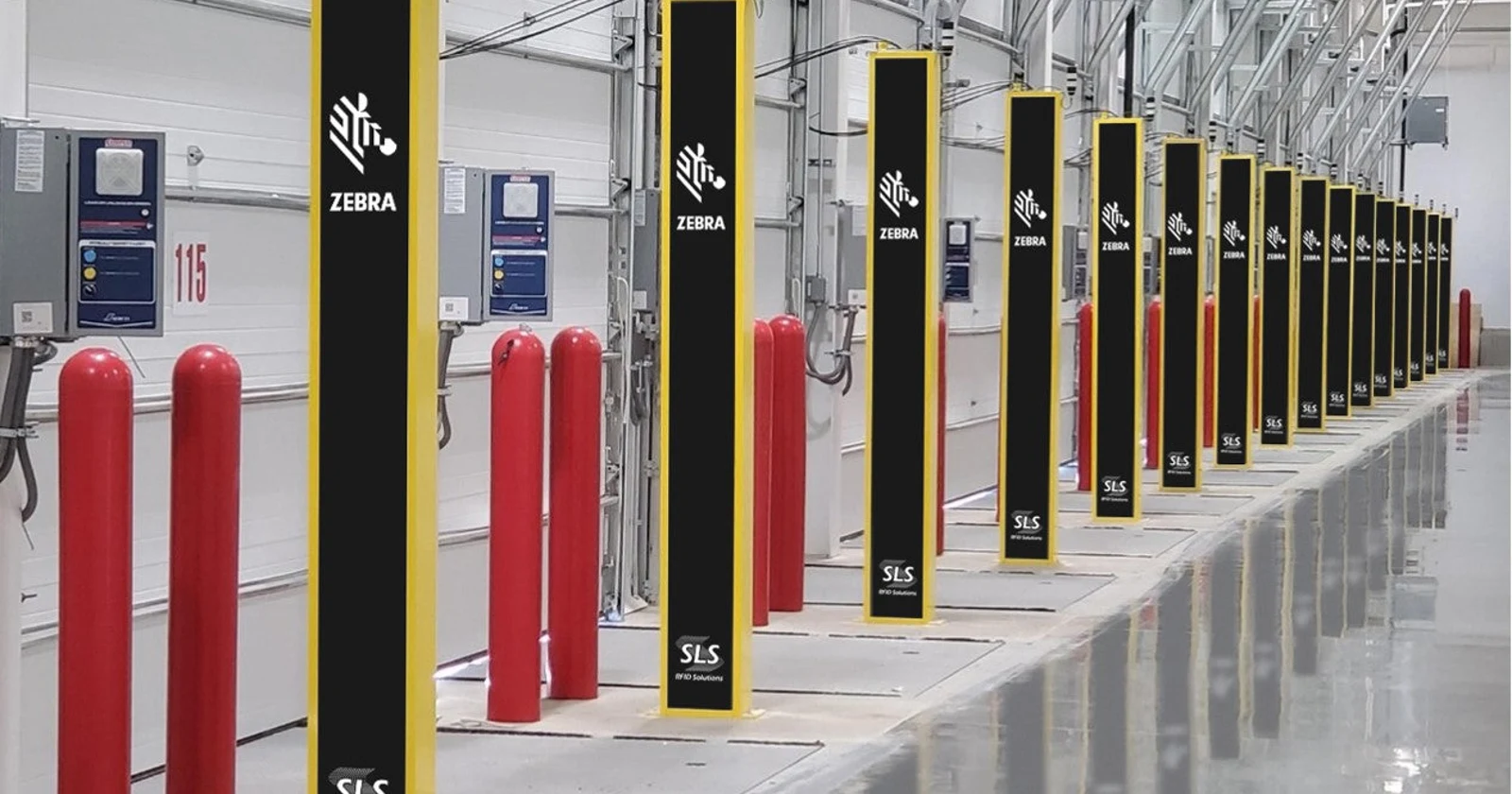
RFID vs Barcode vs Paper: Save Time in the Warehouse
Compare RFID, handheld barcode scanning and paper in the warehouse: mobile readers, RFID gates and forklift systems, with reported results and a calculator.
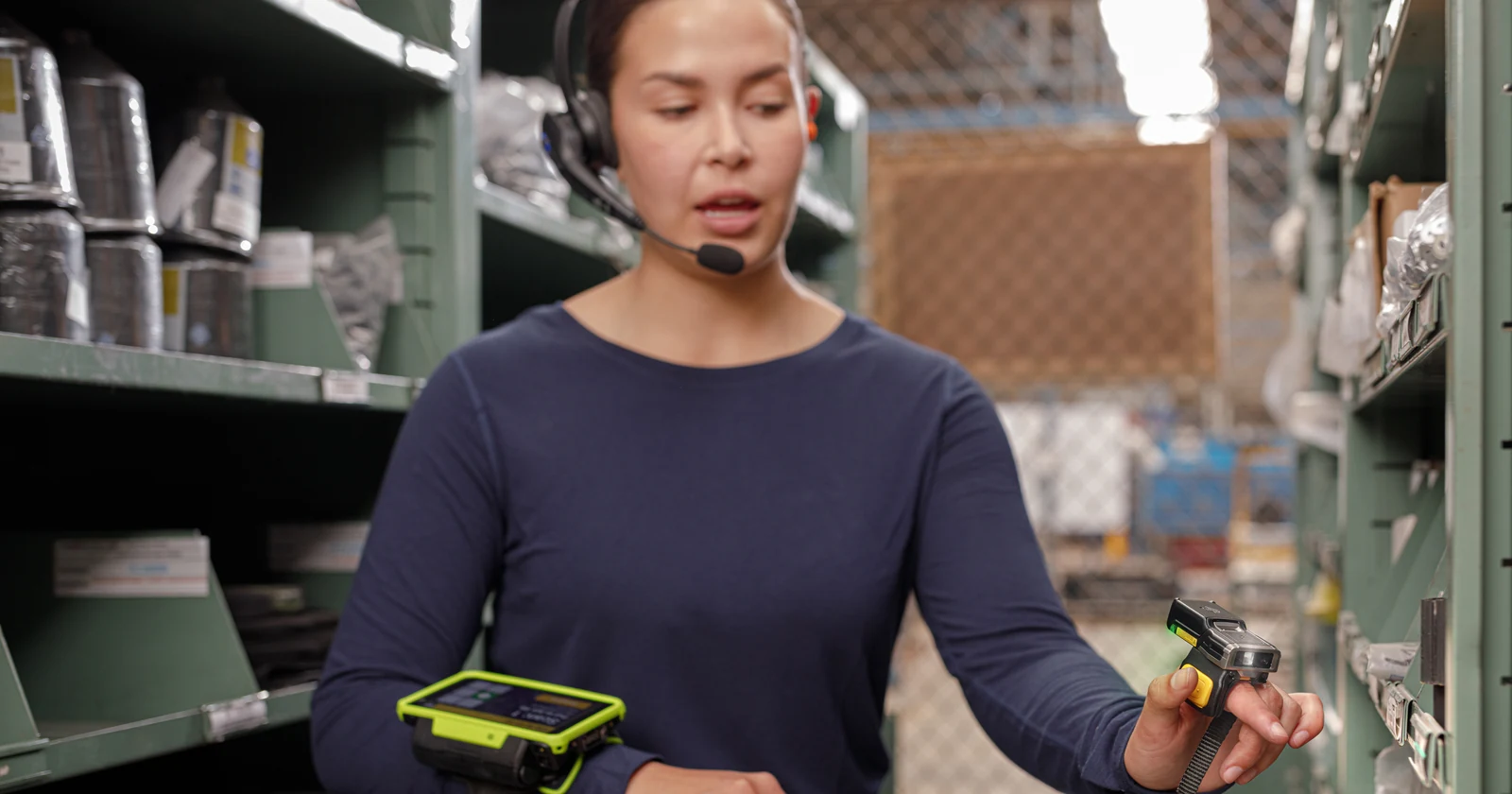
Pick by Voice: Barcode and Paper Compared
Compare voice-guided picking, barcode-only picking and paper lists: check digits, item validation, headsets and a worked savings example.
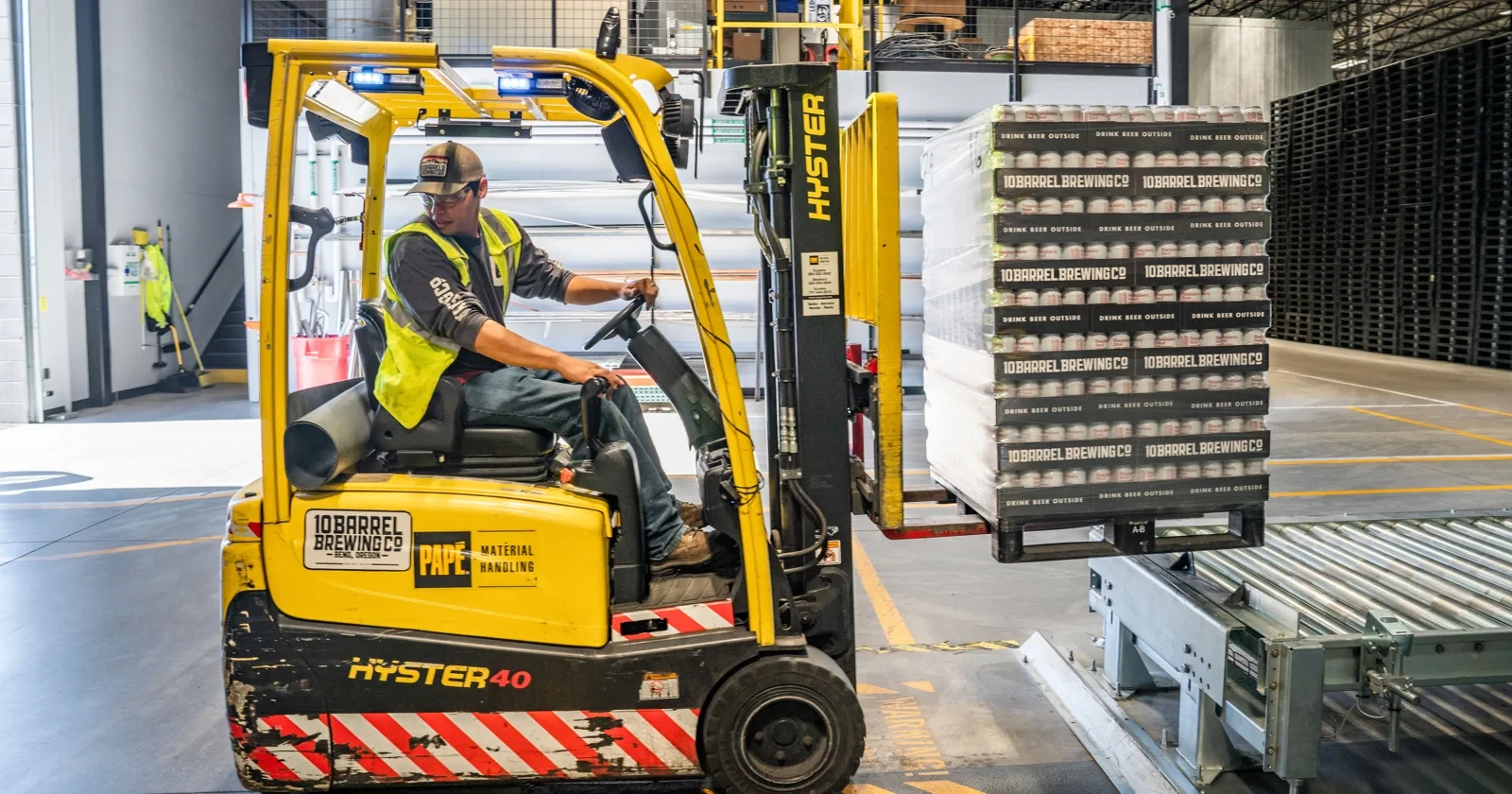
Stop making forklift drivers juggle scanners. When fixed scanning pays off.
Truck-mounted readers, handhelds, wearables and dock-door scanning compared: where automation removes handling, and where it creates more exceptions.

Brady Honeywell PSS acquisition: the Auto-ID impact
Brady Honeywell PSS acquisition explained: why the deal happened, what it means for scanner buyers and how Raptool connects devices to warehouse work.
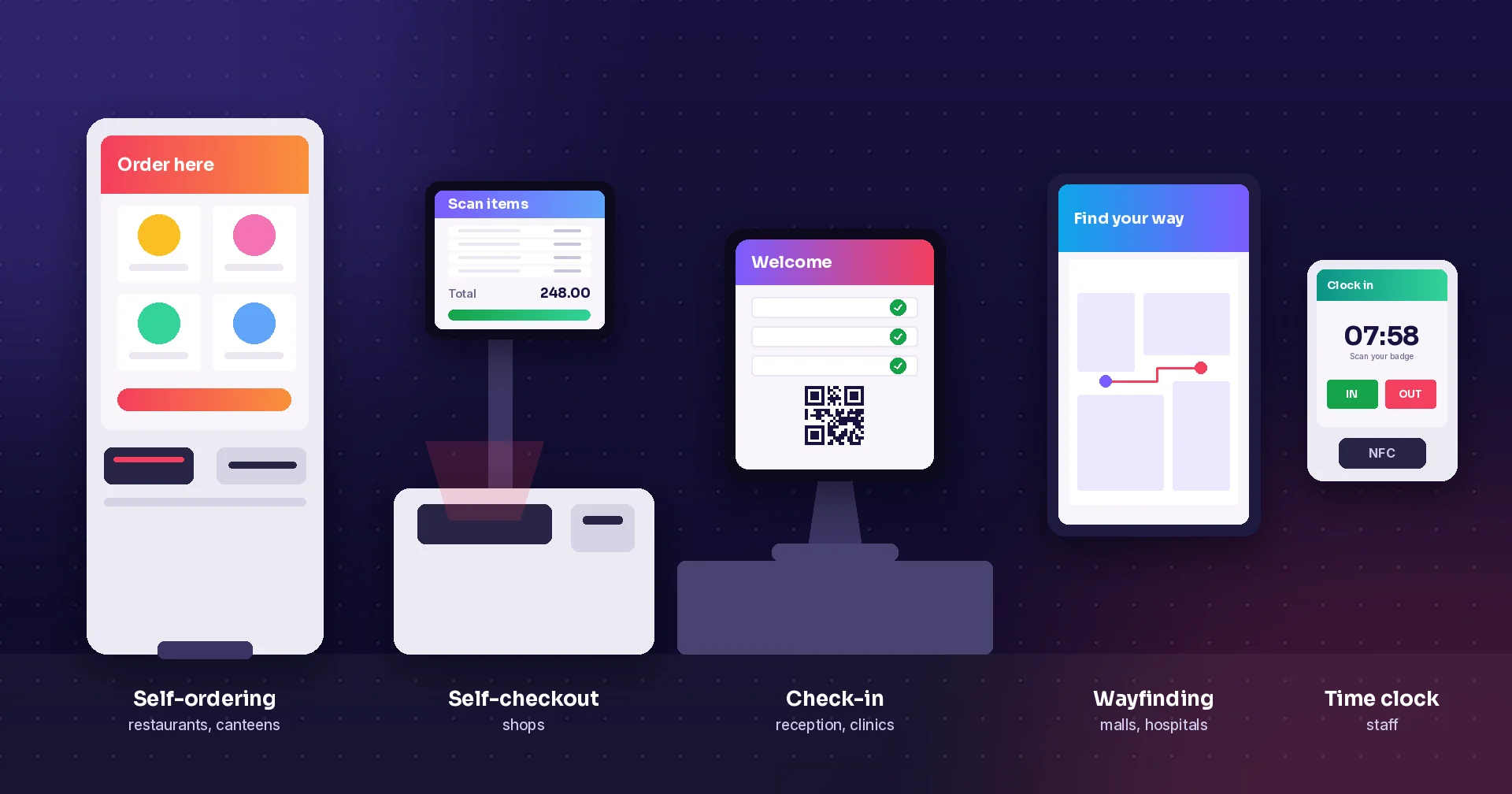
8 Types of Self-Service Kiosks and What Each One Is For
Self-ordering, self-checkout, check-in, ticketing, wayfinding, product lookup, pickup lockers and staff kiosks: what each type does, where it fits and what to plan for.
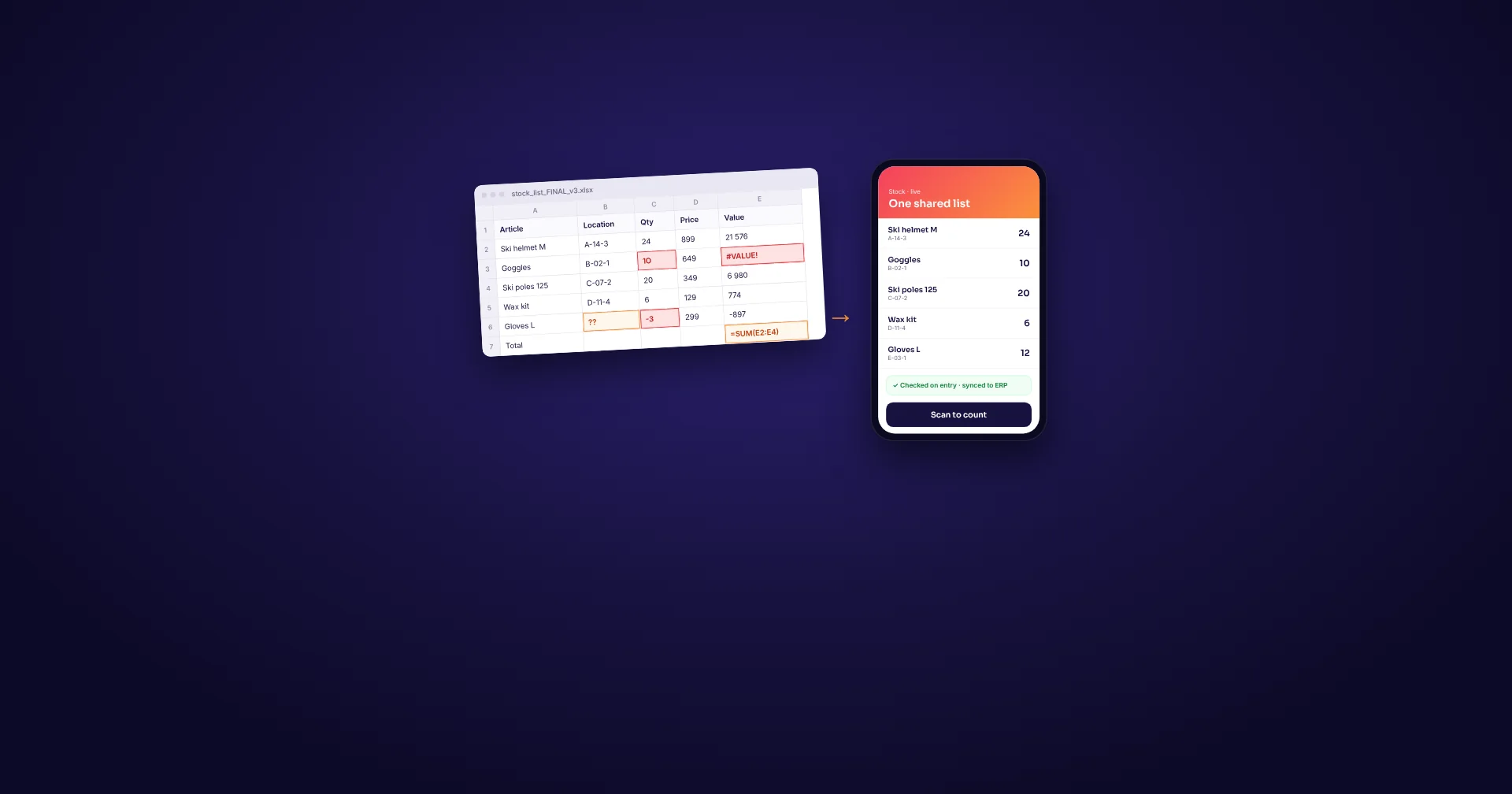
Spreadsheets vs Specialised Software: When to Move Beyond Excel
Spreadsheets are great until they run your operations. The benefits of specialised software over Excel, the warning signs, and how to switch step by step.
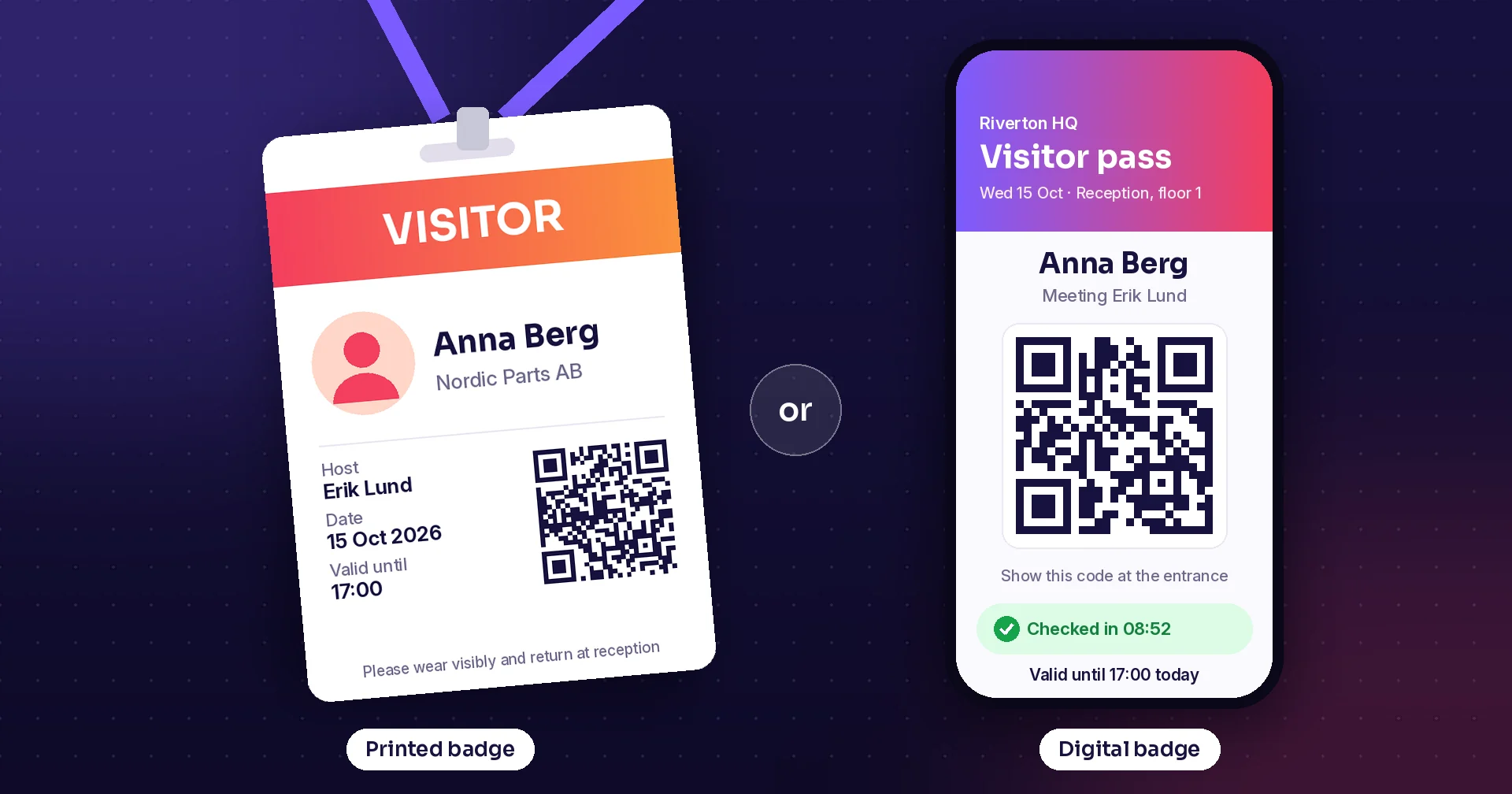
Visitor Badges: Printed or Digital? Pros and Cons
Printed or digital visitor badges? A plain comparison of cost, speed, security, privacy and evacuations, and when to use each in your visitor management system.
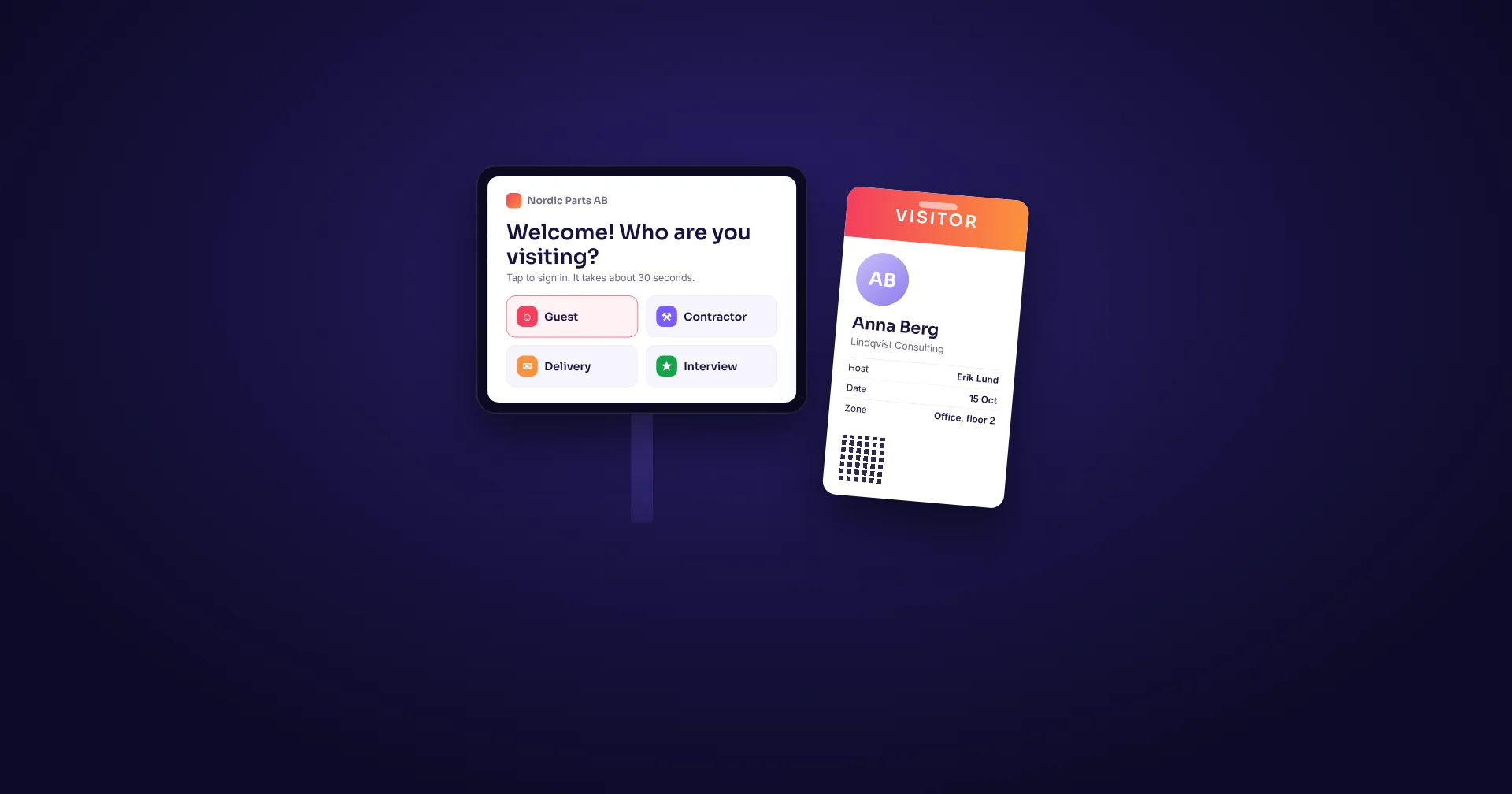
Implementing a Visitor Management System: 10 Things to Get Right
Planning a visitor management system? 10 things to decide before rollout, from visitor types and privacy rules to badges, evacuation lists and hardware.

Stock Counting: Barcode App vs Pen and Paper
Compare app-based stocktaking with paper count sheets: scan locations and products, record quantities, review differences and calculate potential time savings.
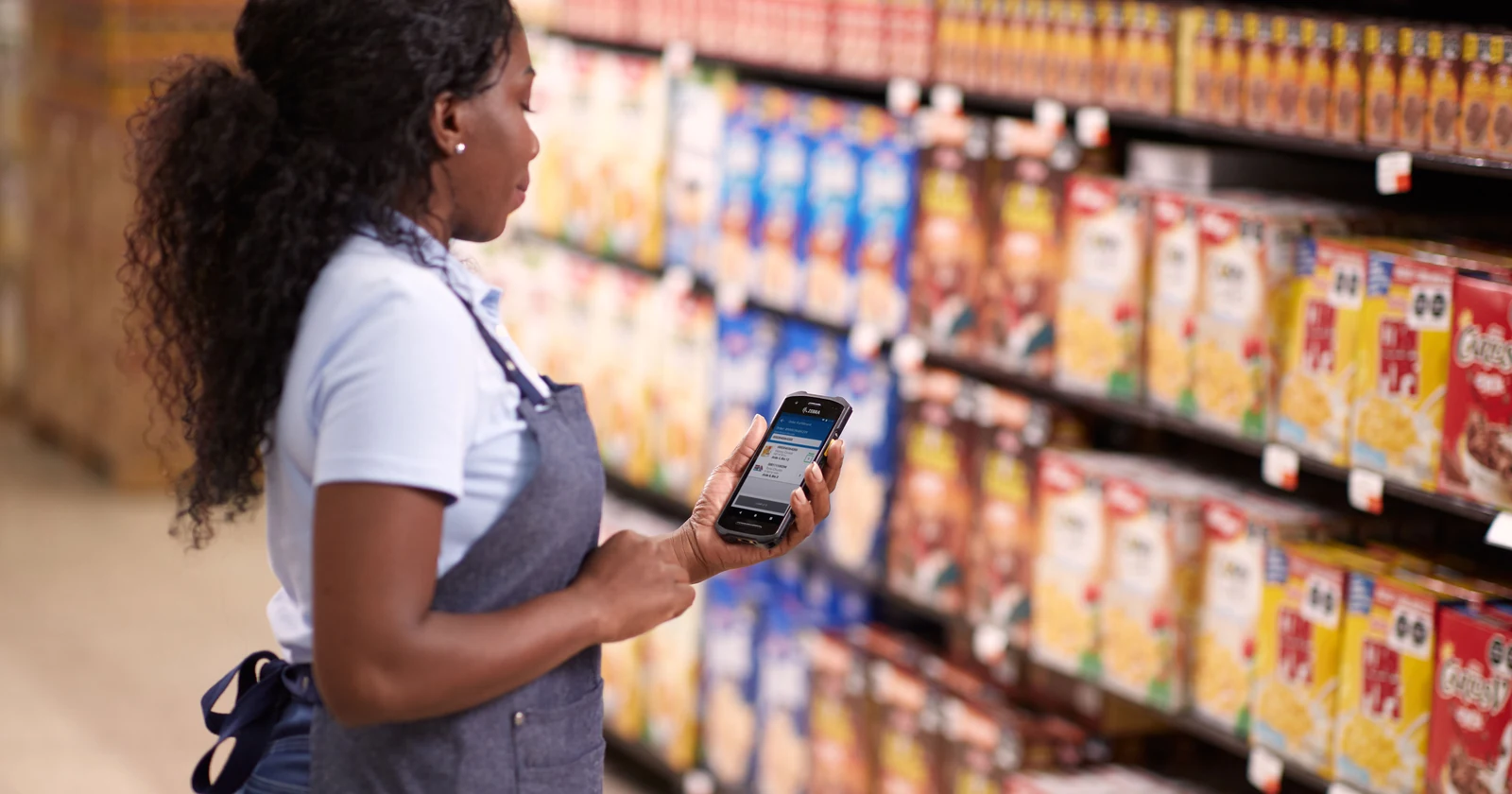
Retail Stocktaking: Barcode App vs Paper Lists
Compare retail stocktaking in a barcode app with paper lists. Count shop-floor and stockroom inventory, verify variants and calculate potential time savings.
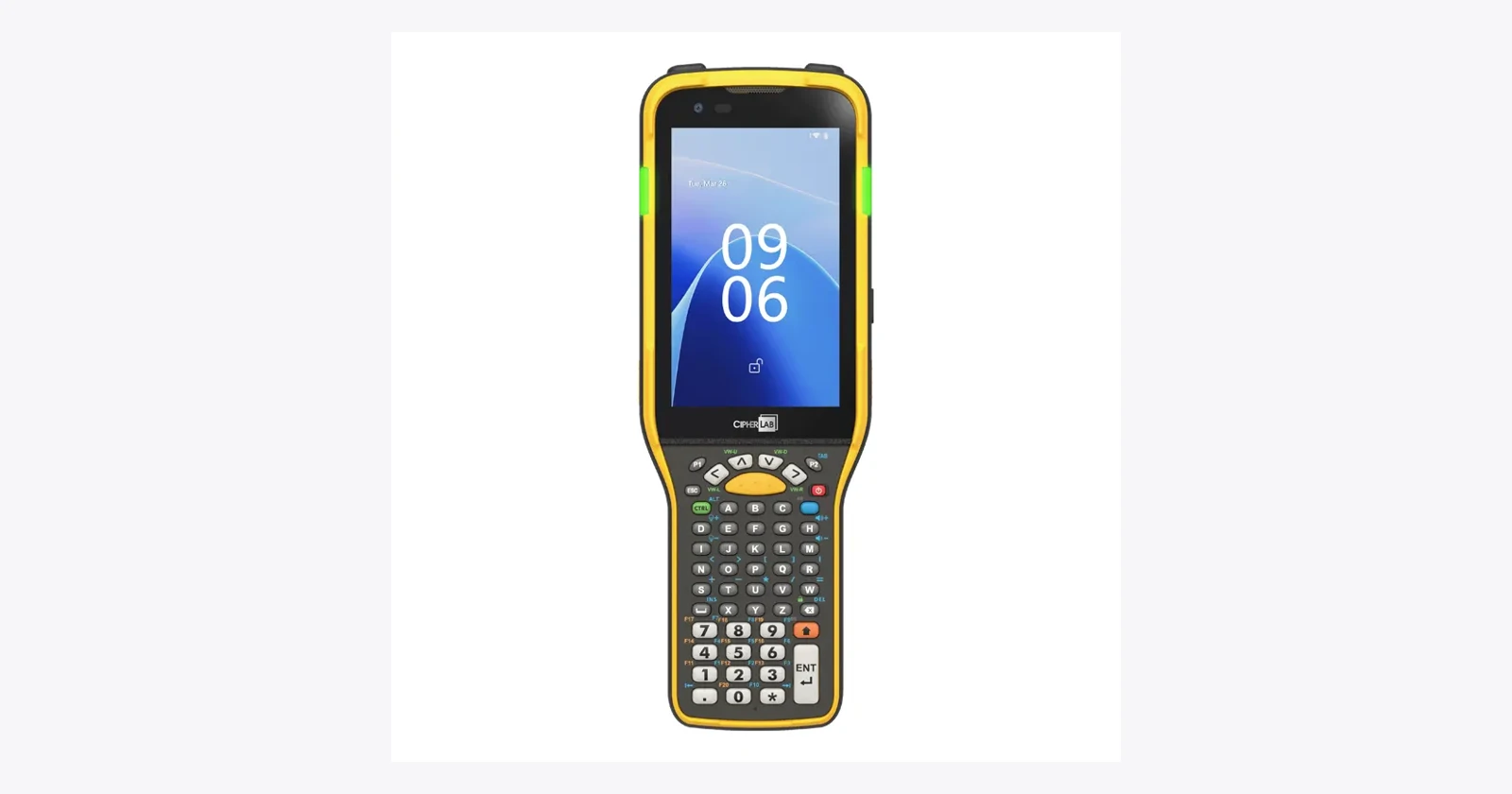
Still fighting your handheld? Meet CipherLab’s mobile devices.
RK96, RS20, RS38 and RK26: where physical keys, cold-storage design and on-device OCR could make everyday work easier.

Stop making workers fight their handheld. Datalogic has new options.
Falcon, Skorpio and Memor: a practical guide to Datalogic’s latest Android warehouse devices and recent touch and keypad alternatives.
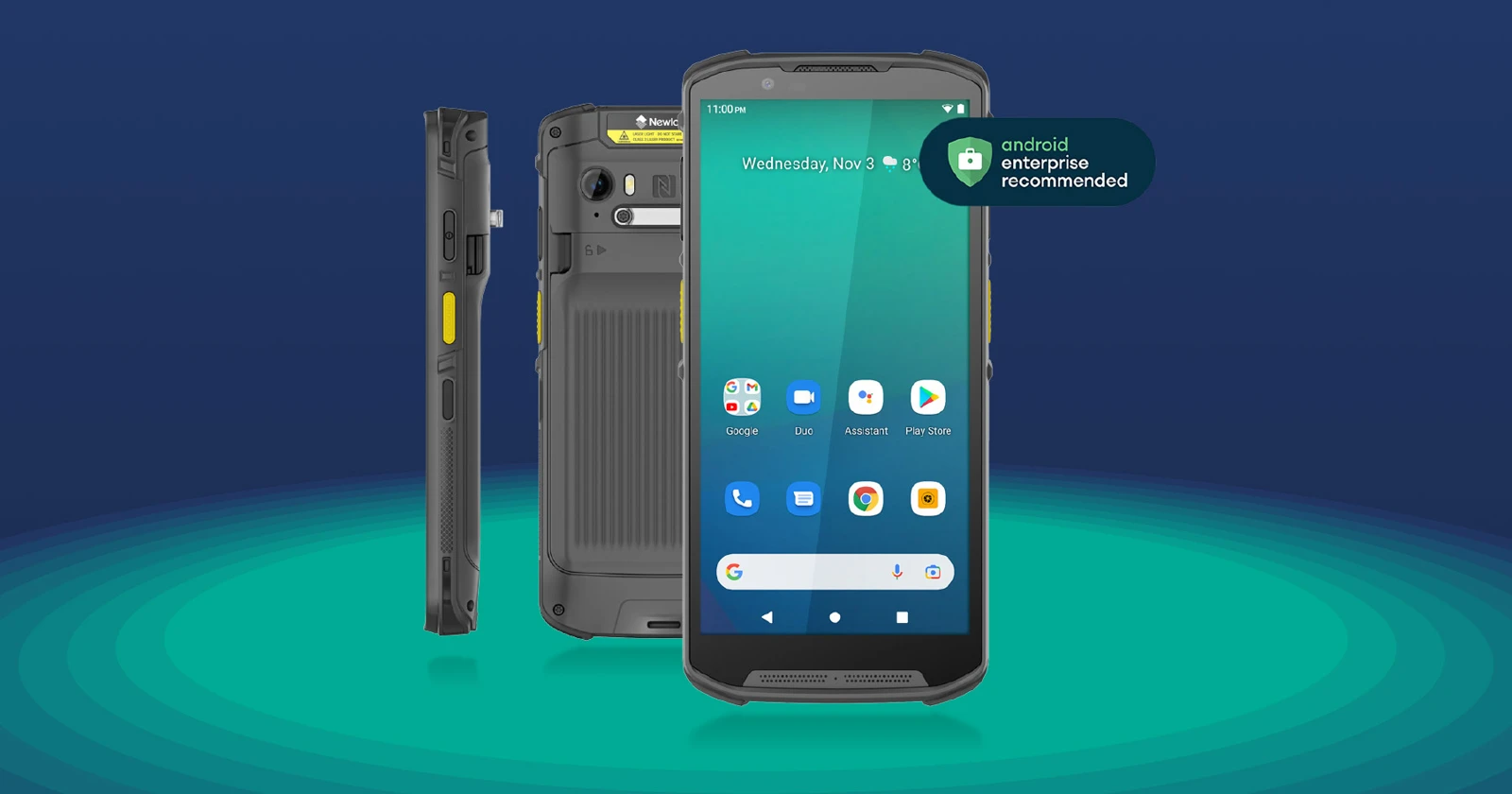
Your scanner should keep work moving. Meet Newland’s Android lineup.
MT95 Kambur Pro III, MT93, MT67 and N7: the practical guide to Newland’s current Android handhelds, barcode capture and UHF options.
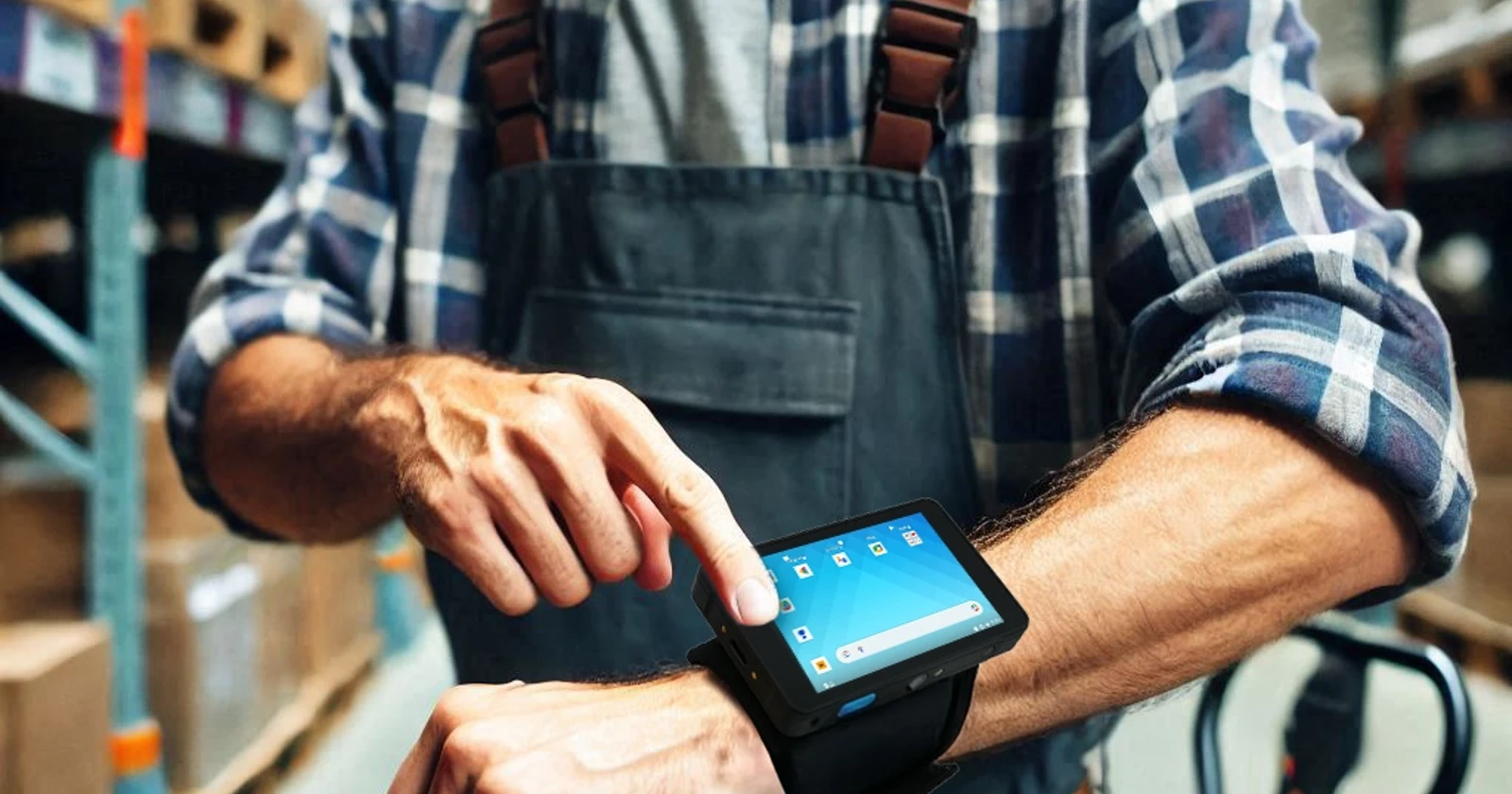
Still juggling scanners and boxes? Meet Unitech’s mobile devices.
PA768, EA660, EA530, HT730 Plus and WD200 Plus: a practical guide to touch handhelds, keypads, RFID and wearable working.
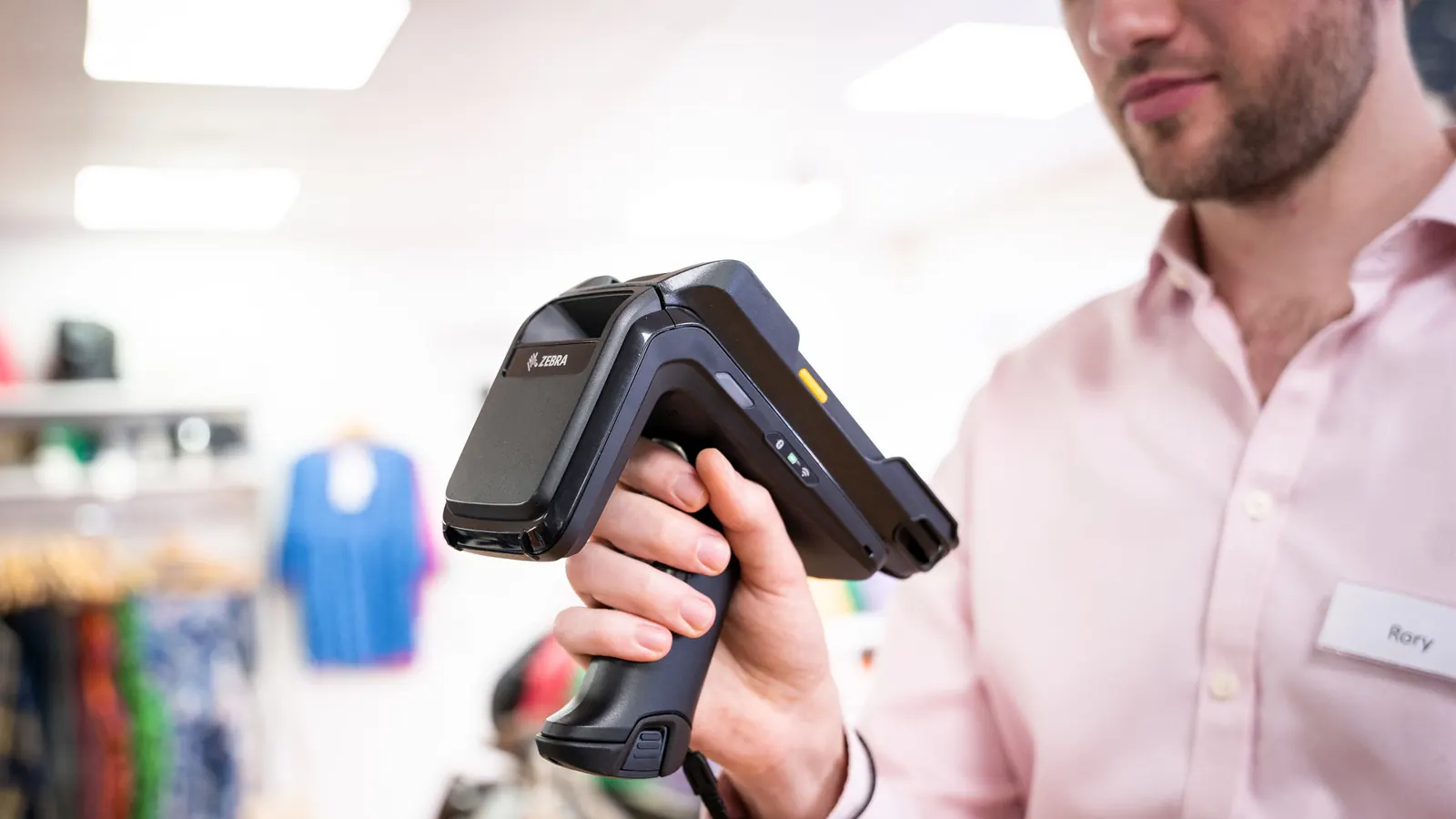
RFID Inventory in Retail: From 10 Hours to 1
RFID inventory cut Telenor's store counts from about ten hours to one a month. See how RFID stock counts work and what they mean for your stores.
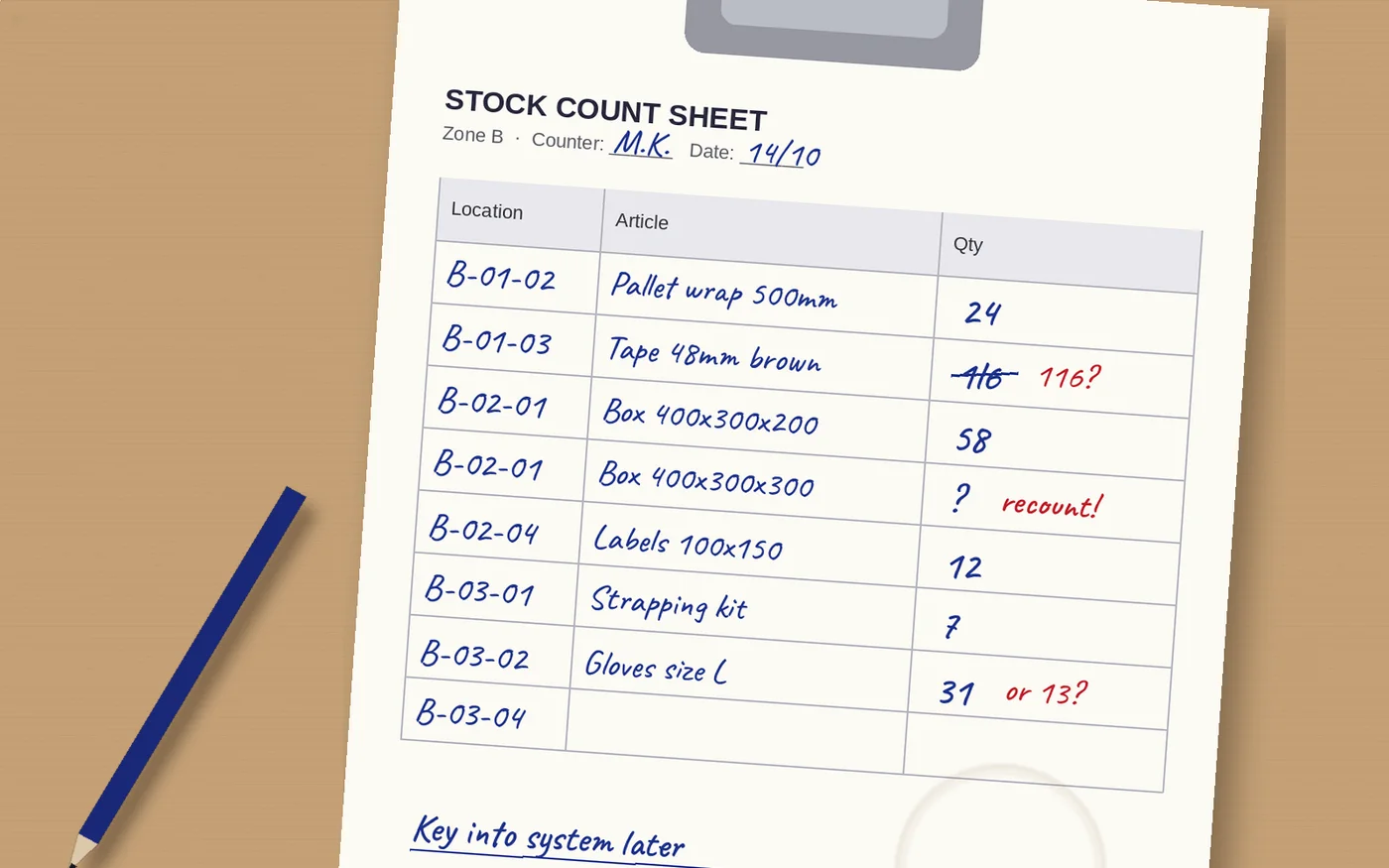
Stock Counts: Pen and Paper vs Barcode Scanning
A side-by-side look at counting stock on paper sheets and counting with a barcode scanner: speed, errors, cost and control.
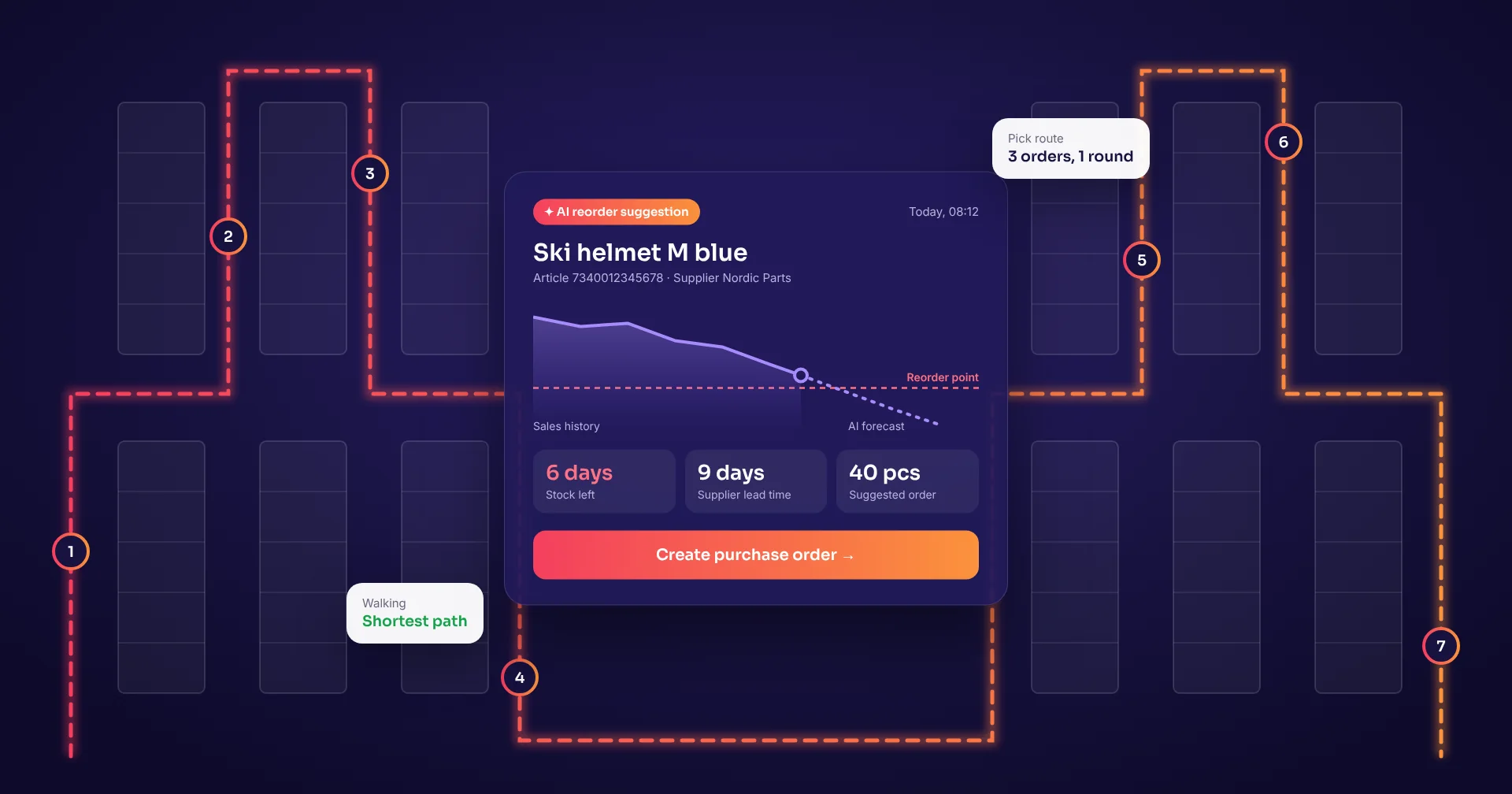
AI for Small Business Warehouses: Reorder on Time, Pick Faster
How small businesses can use AI in the warehouse to reorder before stock runs out and to cut walking on the pick floor, with practical first steps.

Webshop Orders: Pick in Your Warehouse or Store
Compare six webshop platforms and plan Raptool WMS mobile order picking for warehouse shipping, store pickup and ship-from-store fulfilment.
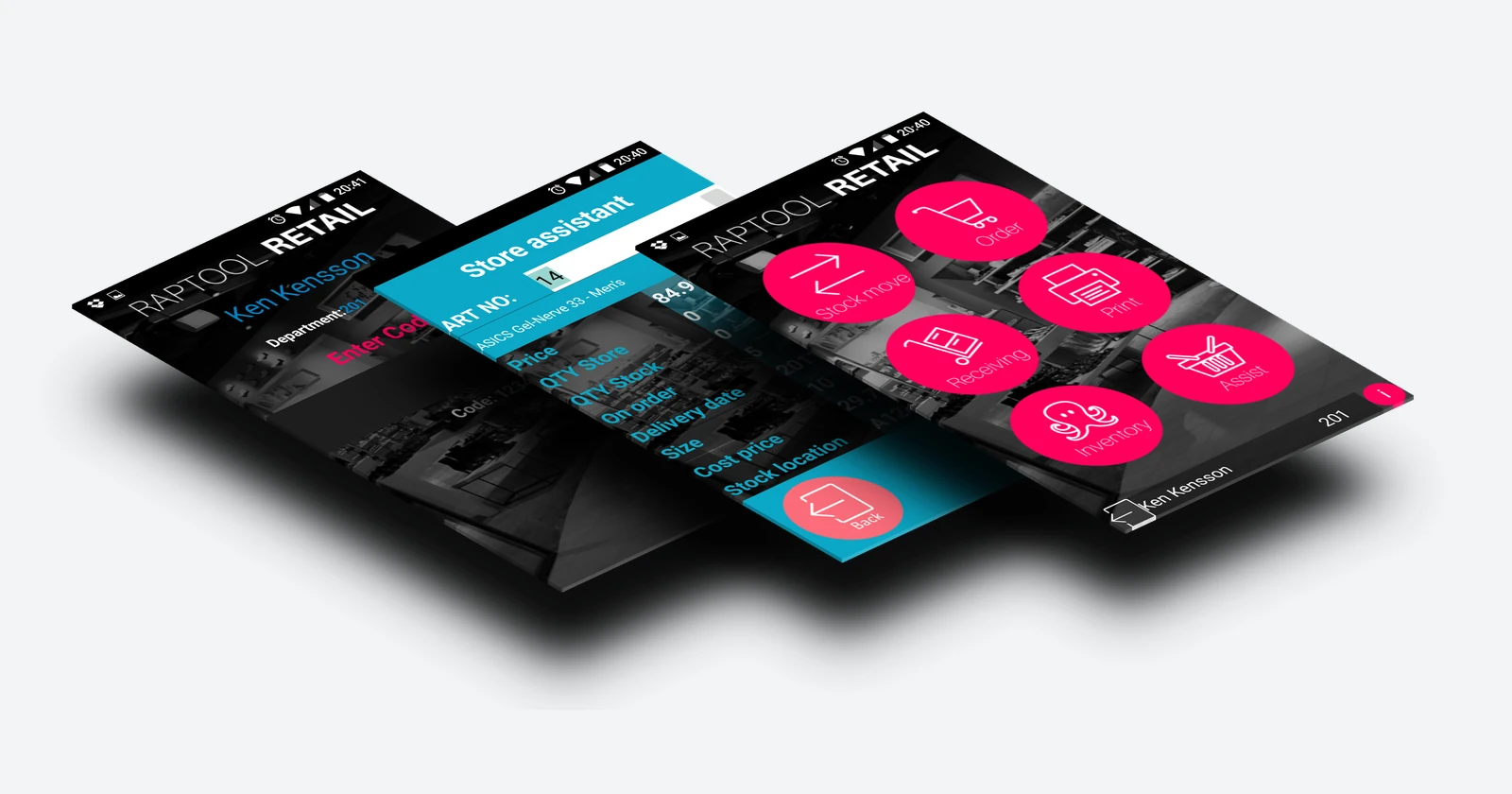
Raptool Designer: Build Apps Around Your Business
Explore Raptool Designer, the native Client and data integration: business-app examples, a practical build process and an illustrative cost comparison.
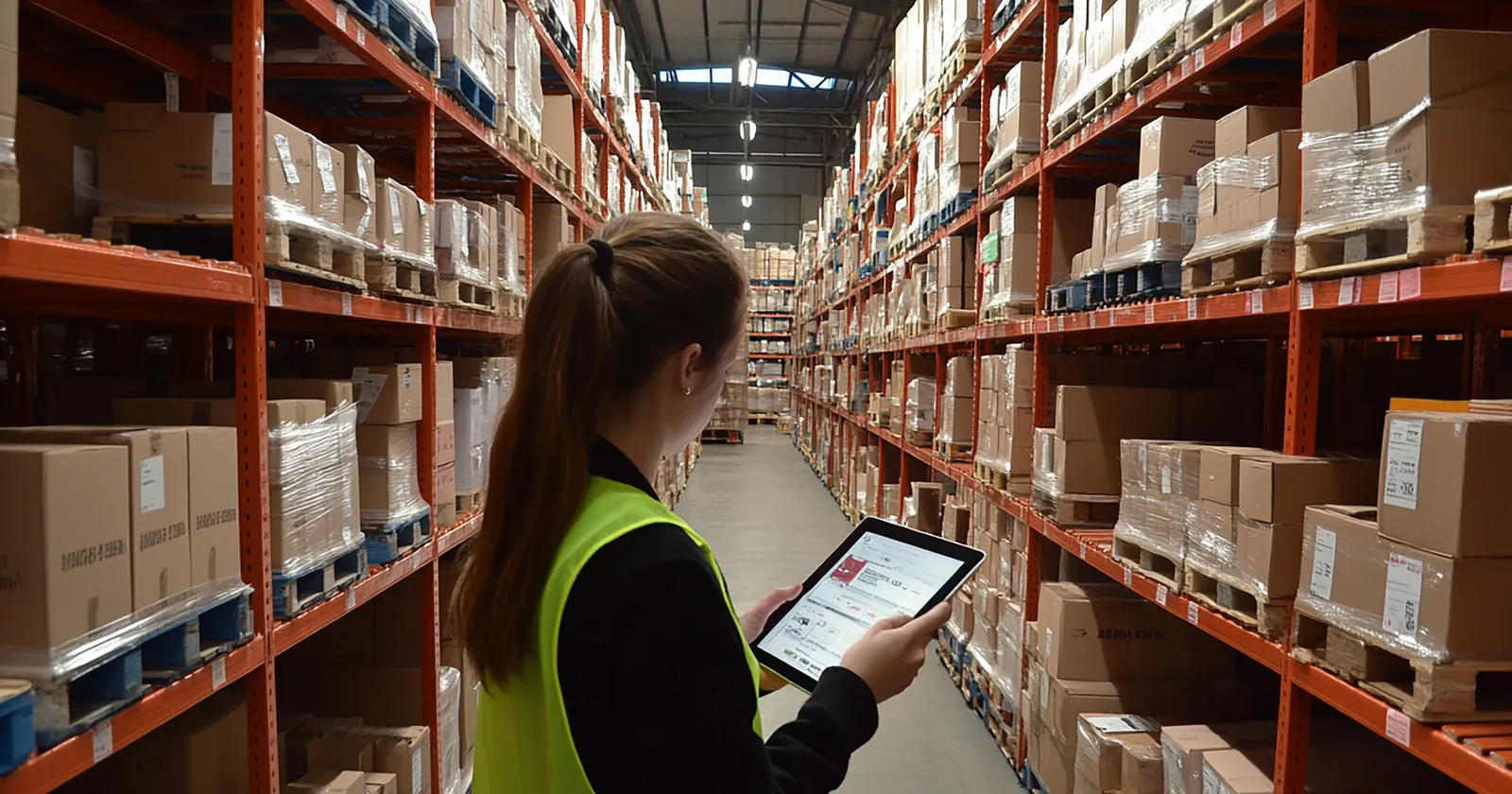
Raptool + Fortnox: Bring Your Workflows to Mobile
Explore Raptool’s Fortnox add-ons for barcode picking, stocktaking, receiving and production, with app examples, integration checks and a savings case.

Raptool + Visma.net: Bring Warehouse Work to Mobile
Plan mobile picking, receiving and stocktaking around Visma.net ERP with Raptool: barcode workflows, integration checks and an illustrative savings case.

Raptool + Business Central: Bring Warehouse Work to Mobile
Plan mobile picking, receiving and stocktaking around Dynamics 365 Business Central with Raptool: barcode workflows, integration checks and a savings case.

Raptool + SAP: Bring Warehouse Work to Mobile
Plan Raptool mobile warehouse workflows around SAP Business One, S/4HANA or EWM: paper vs scanning, integration needs and an illustrative savings case.

Raptool + SAP Business One: Bring Warehouse Work to Mobile
Mobile picking, Goods Receipt PO, bin locations and stocktaking around SAP Business One with Raptool, with integration checks and a savings case.
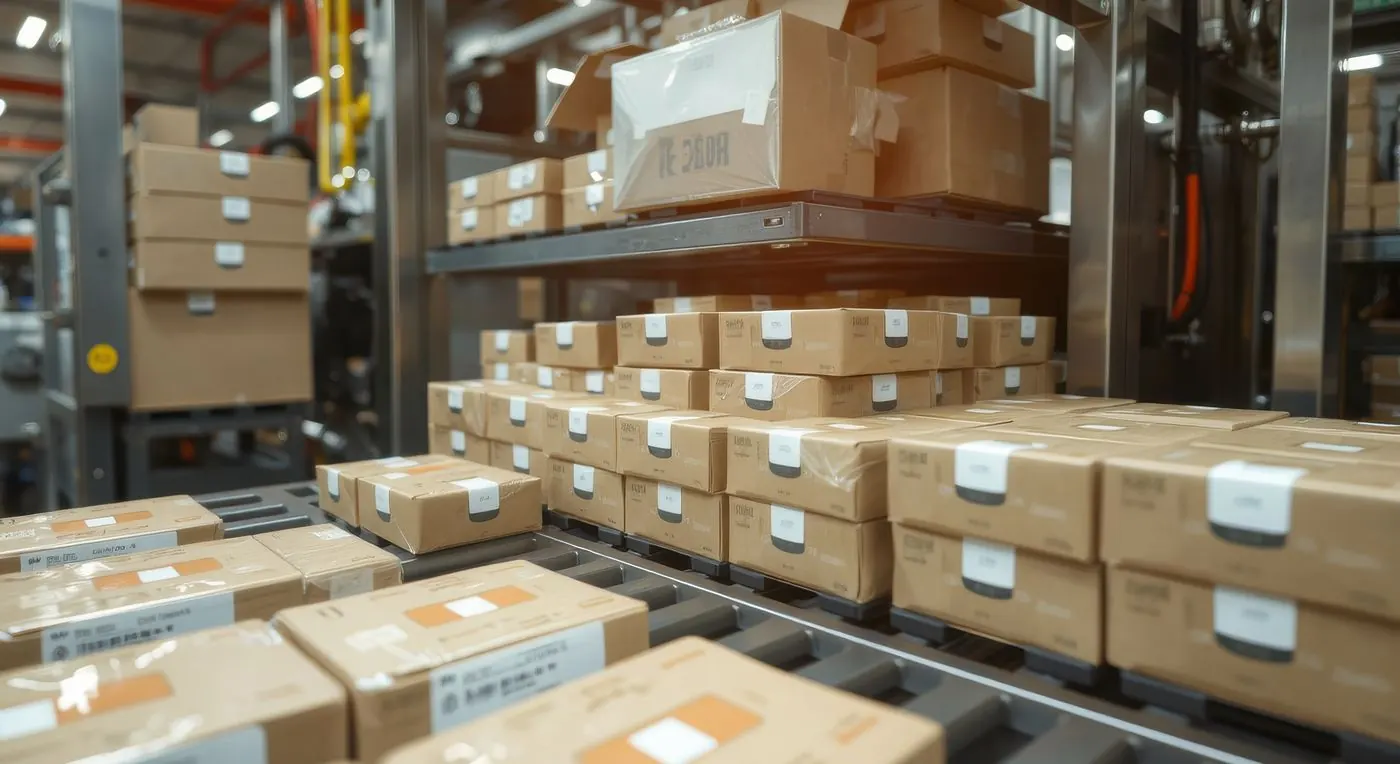
Batch, Serial and Best-Before Control
Track batches, serial numbers and best-before dates, and pick the oldest stock first.
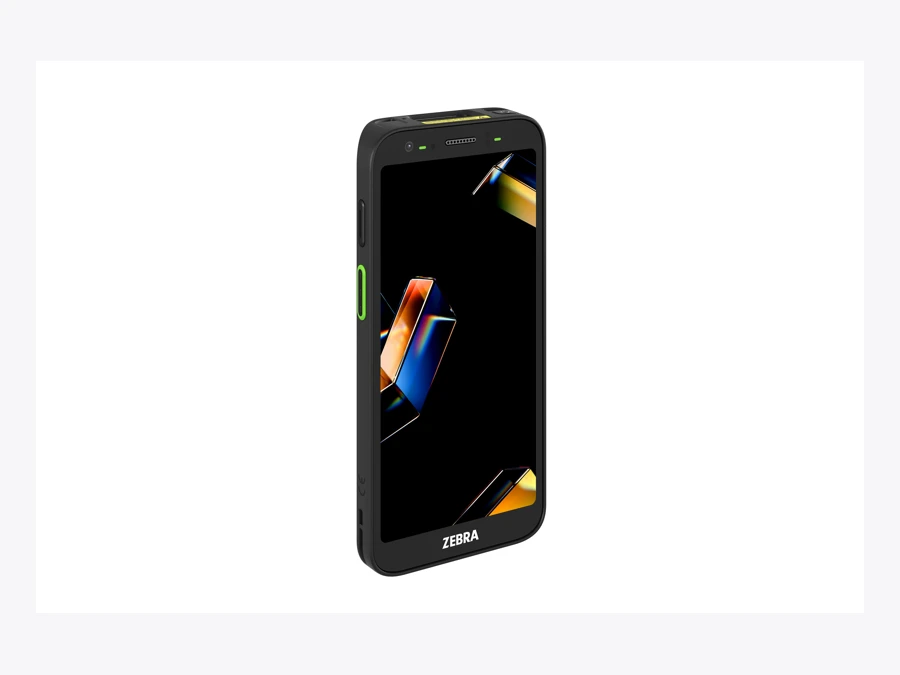
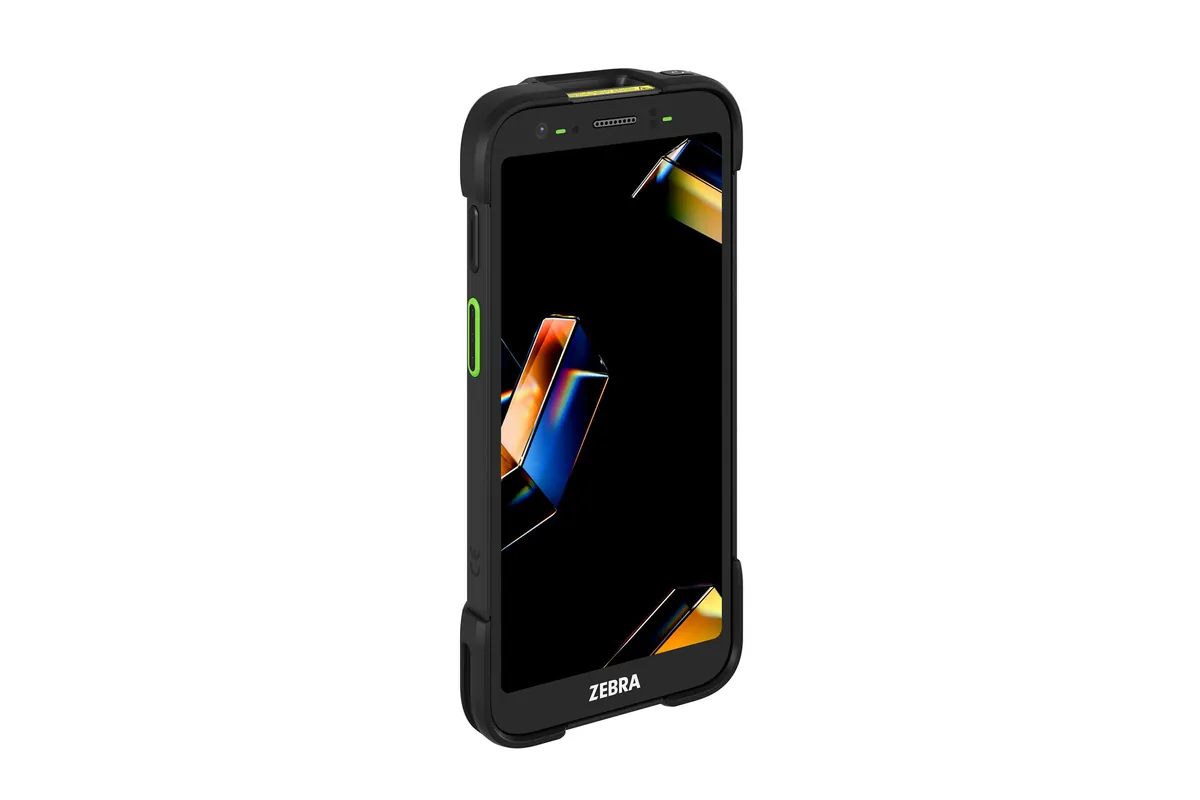
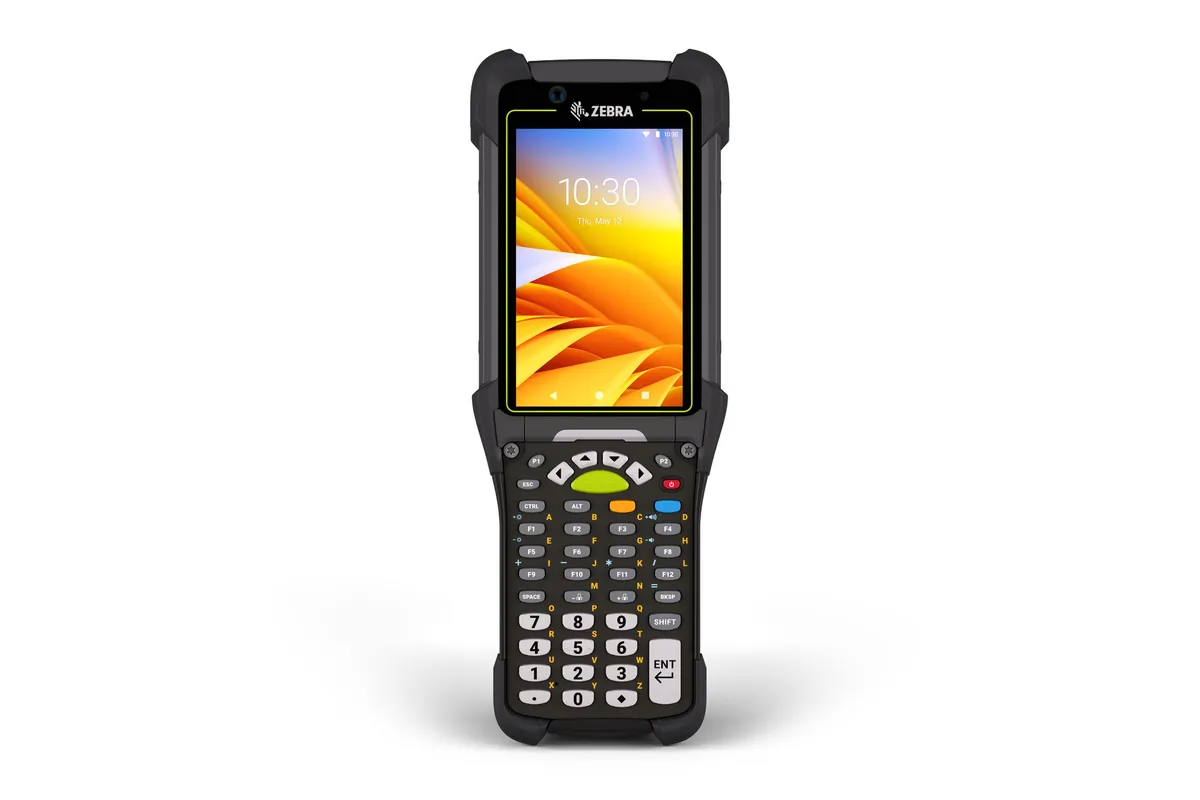
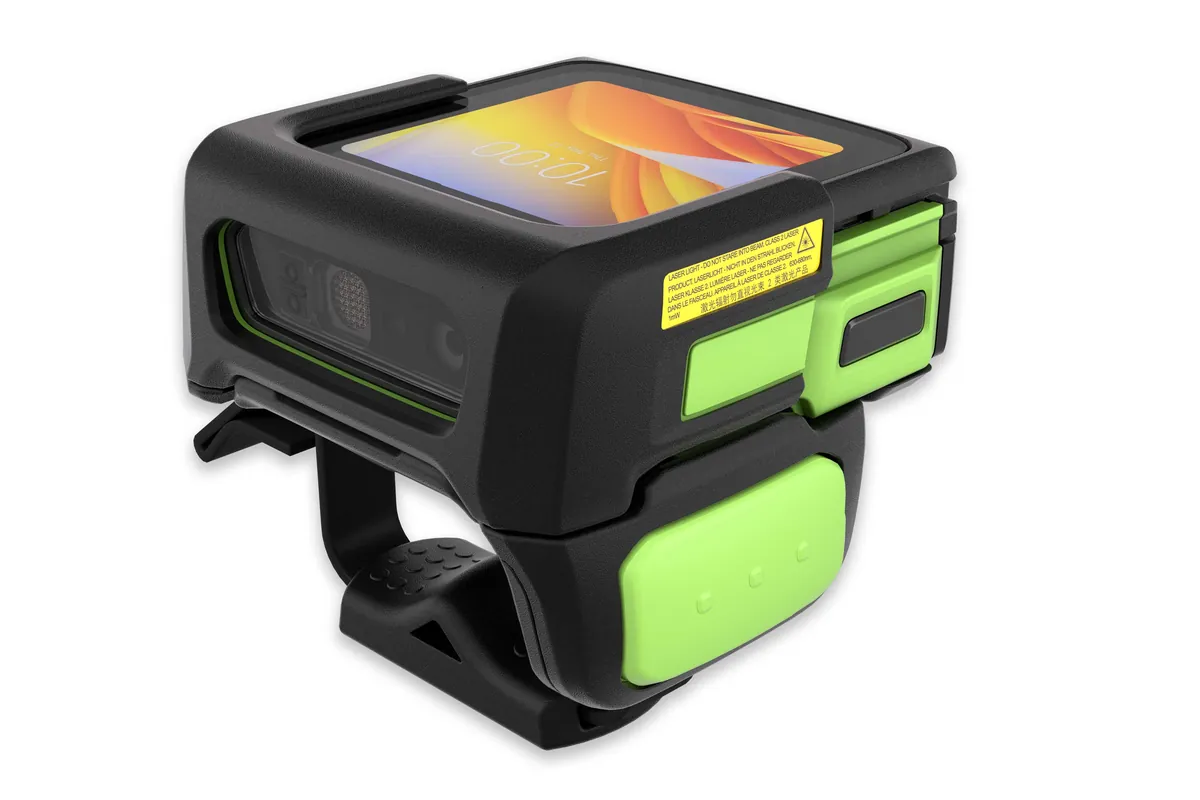
Zebra 2026 releases: AC670, TC501, TC701 and WS501-R explained
Zebra TC501 vs TC701, the AC670 colour scan engine and the WS501-R wearable RFID computer explained for warehouse and retail use, with pilot and cost checks.
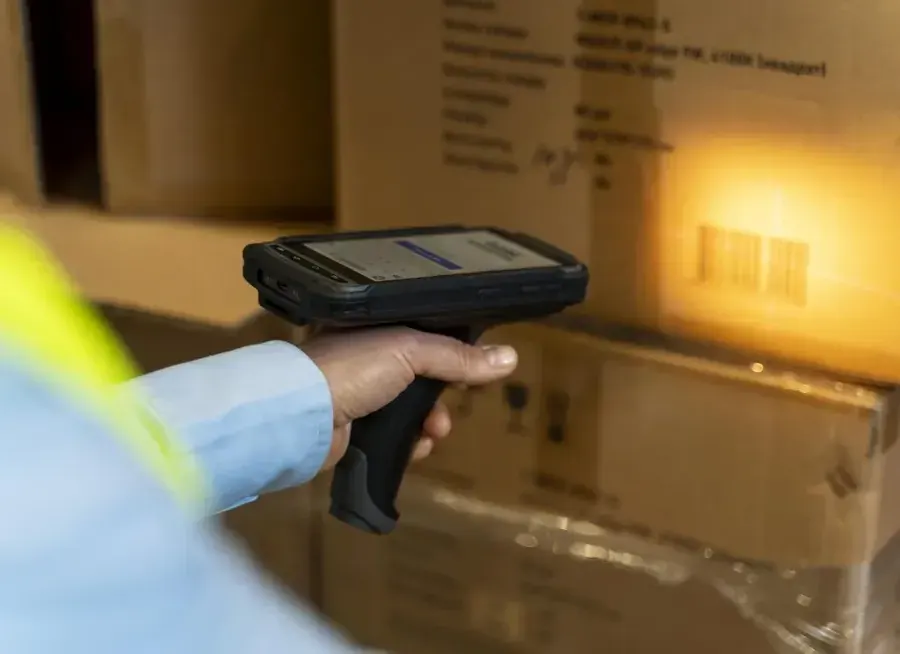
Why Barcode Scanning Beats Paper
Scanning is faster and safer than paper lists and typing. Here is why it matters.
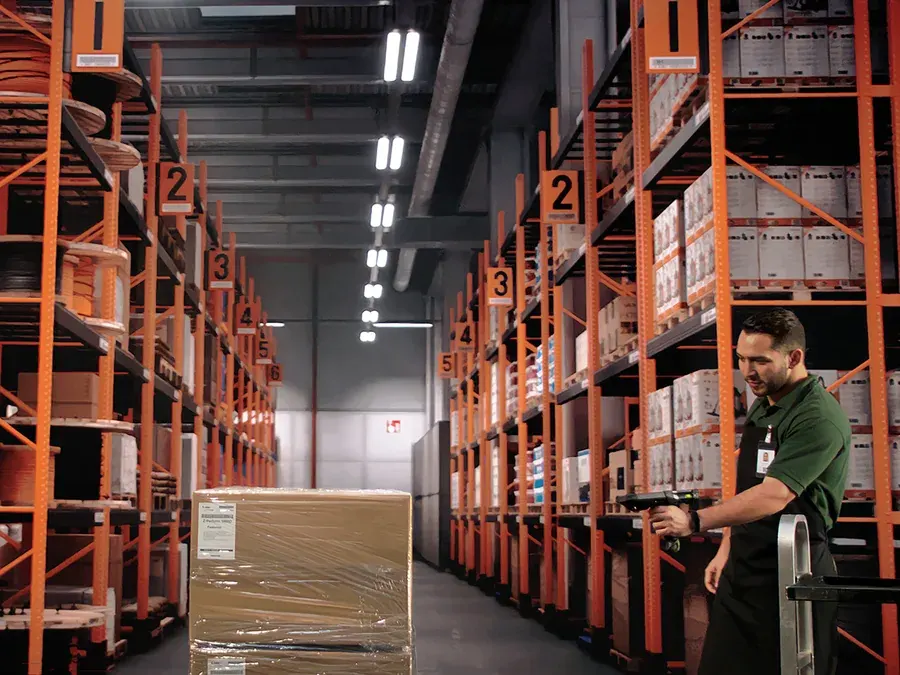
Picture Picking: See It, Pick It
Show a product photo on the scanner for every pick line and cut wrong picks.
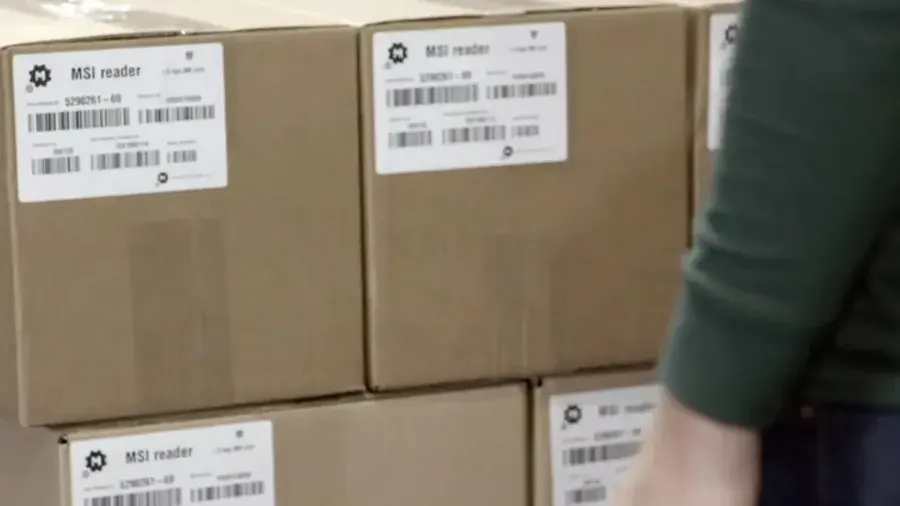
Why RFID Belongs in Your Warehouse
RFID lets you read many items at once, without a line of sight to each label.
No posts match yet. Try another tag or search.