On August 3, 2026, Brady closed its $1.4 billion cash purchase of Honeywell's Productivity Solutions and Services business, the unit behind Honeywell's mobile computers, barcode scanners and RFID readers. If your team picks orders on a Honeywell CT47, or you are about to buy more scanners, the Brady Honeywell PSS acquisition matters less for the logo on the device than for how hardware, scanner apps and support fit together. Here is what changed, why it happened, and what to check before your next device order.
Overview
The deal joins Brady's identification and printing business with PSS's mobile computing, barcode scanning, RFID and workflow products. It gives warehouse and retail buyers a larger supplier to consider when planning their next handheld scanner project. Brady's completion announcement confirms the closing date and price.
Brady bought PSS, not Honeywell as a whole. Existing users should focus on their next renewal, device refresh or workflow improvement: those are the points where the combined portfolio could become useful.
Why Brady bought Honeywell PSS
Brady already supplies products that identify items, equipment and workplaces. PSS adds more ways to read those identities and use them during daily work. A company printing a label may also need a mobile computer to receive the goods, scan the label, move the stock and confirm a shipment.
Brady describes the two portfolios as complementary in its investor FAQ. The commercial logic is clear: sell and support more of the identification workflow, from the printed mark to the captured transaction.
For buyers, that creates scope for a more coordinated equipment proposal. A project combining label design and printing, handheld scanning and RFID workflows could draw on a broader range of products from one group.
Why Honeywell sold the business
Honeywell is concentrating on automation in building, industrial and process markets. Selling PSS supports that narrower focus, according to Honeywell's sale-completion statement. Its Warehouse and Workflow Solutions business was a separate divestiture.
The two companies were moving in different directions. Brady wanted a wider identification portfolio; Honeywell wanted a more focused automation business.
What this means for the Auto-ID industry
Our view is that the deal will increase competition around the complete workflow: devices, printing, data capture, software and service. The opportunity goes beyond selling another scanner.
Suppliers will compete for more of the project
A broader portfolio gives Brady more products to put into an equipment proposal. Buyers can compare that offer with alternatives from Zebra, Datalogic, Newland and other suppliers. Compare the complete working setup, including accessories, repairs, software and integration, so a low device price does not hide a higher operating cost.
Applications become a bigger part of the decision
The scanner captures a code. The app turns it into receiving, picking, a stock count or another business action. A good hardware decision starts with that action: what must the worker see, scan and confirm?
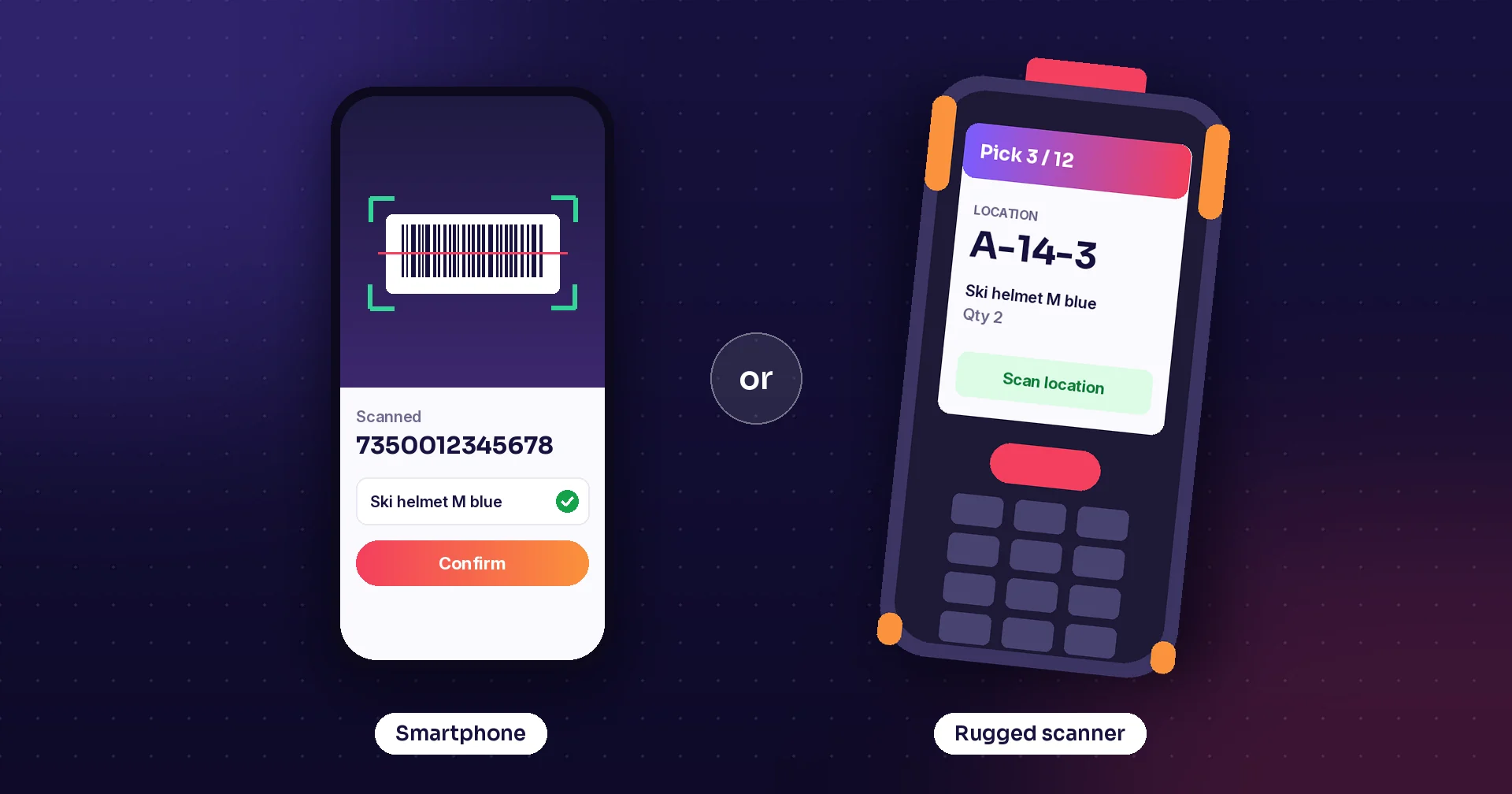
In a warehouse, that might mean verifying an item before packing. For retail inventory work, it might mean counting stock on the shop floor. Choose the device around the transaction and the conditions in which people use it. Our guide to choosing between a rugged scanner and a smartphone covers that choice in more detail.
Resellers and integrators have a larger role
A wider product range creates more combinations to evaluate. Partners can help customers choose between touch devices and keyboards, short-range and longer-range scanning, and different service options. The useful proposal connects those choices to a specific job and identifies who handles repairs and support.


How Raptool connects the device to the work
Raptool WMS gives warehouse teams mobile scanning for receiving, put-away, picking, packing, shipping and stock counts. It supports batch, serial and best-before control. Picture picking puts a product photo on the scanner for each pick line, helping the worker identify what to pick.
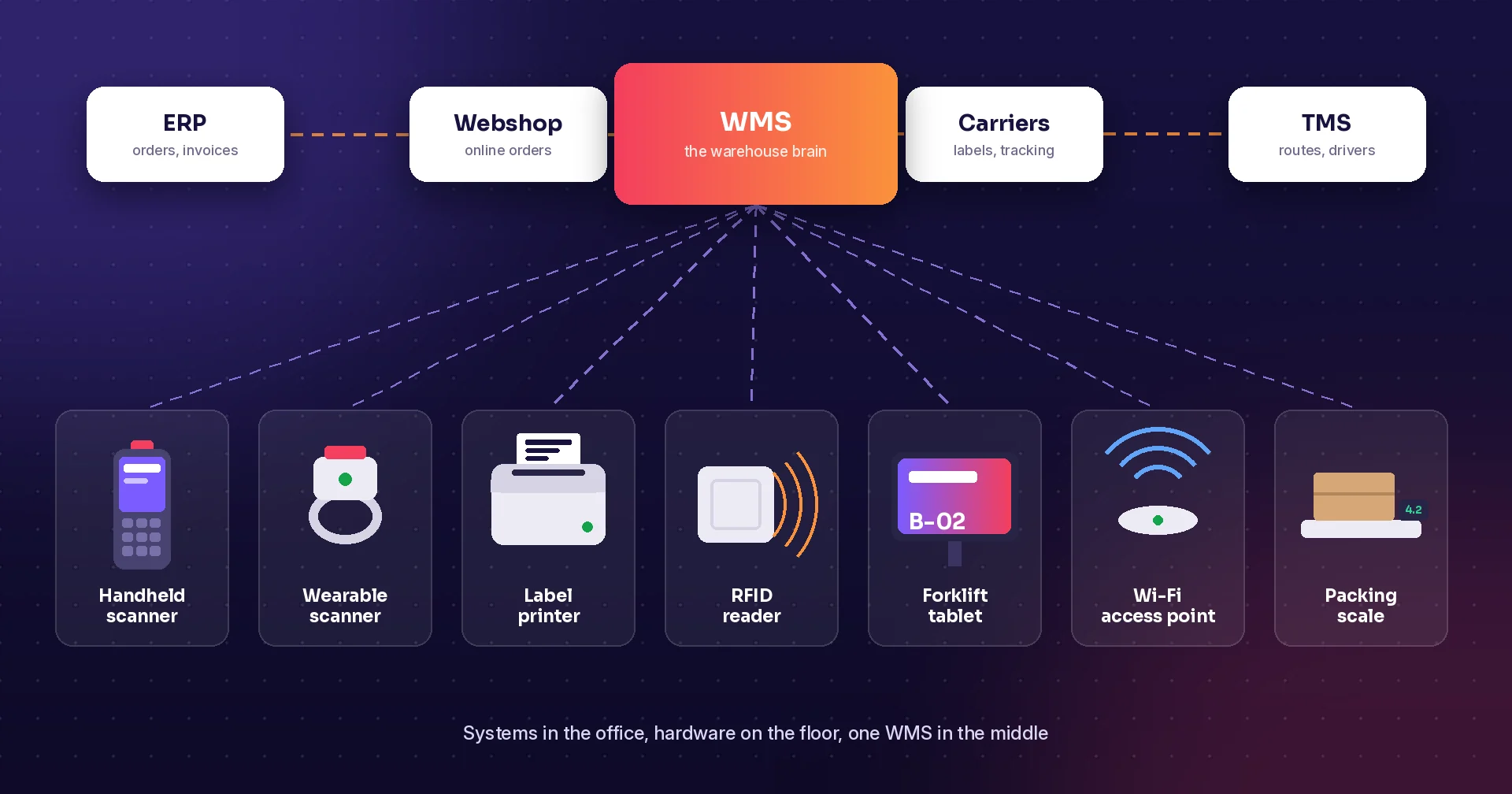
Raptool is a Zebra Technologies partner and also works with Honeywell, Datalogic and Newland devices. Its apps run natively on Android, iOS, Windows and Mac. Raptool Client connects the app to barcode scanners, cameras, RFID and label or receipt printers, online and offline.
That makes the app a practical place to start a device refresh. Map the warehouse task first, then select the scanner, screen, keyboard and accessories that suit the people doing it. Bring the exact device configuration to a demonstration of your workflow.
Raptool Integration Server connects to ERP systems such as SAP, Microsoft Dynamics, Fortnox and Visma. The mobile workflow and the business-system connection belong in the same project plan.
For a tailored process, Raptool Designer lets you build without code. The AI Development Framework builds an app from a plain-language description. Both let teams adapt the screens and steps around their operation.
Where the real savings come from
The acquisition gives you a reason to compare proposals, but the clearest operational gains come from improving the work itself: fewer duplicate entries, less searching and fewer corrections.
Hypothetical example: suppose 20 warehouse employees each avoid 10 minutes of manual recording per working day. Over 220 working days a year, that frees about 733 hours.
| Calculation | Result |
|---|---|
| 20 people × 10 minutes × 220 days | 44,000 minutes |
| 44,000 ÷ 60 | About 733 hours |
This is a planning calculation, not a measured Raptool result. Those hours turn into savings when they replace overtime, temporary staff or another paid cost, so set them against the cost of devices, software, integration and rollout.
Brady also announced a target of at least $25 million in annual run-rate cost synergies within three years of closing. That is Brady's corporate efficiency target; what customers pay will depend on actual offers.
What to do before your next device order
Use the ownership change as a prompt to review your next purchase, not as a reason to replace a working fleet.
| Your situation | Useful next step |
|---|---|
| Your current devices work well | Check service coverage, security updates and accessory availability before renewal. |
| You need more scanners | Compare the exact model, configuration and full lifecycle quote. |
| Workers still write notes and retype them | Run the same task in a scanning app and measure time and corrections. |
| You are changing ERP or warehouse processes | Include the mobile app, ERP connection and exception handling in one pilot. |
A short pilot with your own labels, locations and order types will tell you more than a specification sheet. Measure completed work, errors and support needs before committing to a larger rollout.
Frequently asked questions
Did Brady buy all of Honeywell?
No. Brady bought Honeywell's Productivity Solutions and Services business, known as PSS, which includes mobile computing, scanning, RFID and workflow products.
When did Brady complete the Honeywell PSS acquisition?
Brady completed the acquisition effective August 3, 2026, for $1.4 billion in cash.
Why did Brady buy Honeywell PSS?
PSS expands Brady's identification and printing portfolio with mobile computing, barcode scanning, RFID and workflow capabilities.
Do existing Honeywell scanners need replacing?
The acquisition alone is not a reason to replace a working scanner. Review support, software compatibility and operating costs for your exact model when planning a renewal or expansion.
Can Raptool work with Honeywell devices?
Yes. Raptool works with Honeywell, Zebra, Datalogic and Newland devices. Raptool WMS supports mobile scanning for receiving, put-away, picking, packing, shipping and stock counts.
Sources (checked October 17, 2026): Brady: completion of the Honeywell PSS acquisition; Brady investor FAQ; Honeywell: sale of PSS to Brady completed.
Tags
Planning your next scanner purchase? Book a demo with your device list and warehouse process, or start a free trial to explore the app.
Book a demo