
Overview
A visitor management system for retail keeps track of everyone who is not on your payroll: suppliers, buyers, contractors, auditors and drivers. RFID visitor badges promise faster entry, automatic check-out and better control of who goes where. They also cost more than a QR code on a phone or a printed paper badge. So is RFID worth it? For some retail sites, clearly yes. For many single stores, no. This guide helps you decide, site by site.
Who visits a retail business
Retail has more visitors than most people think, and they are not the same at every site. The head office sees suppliers, buyers, candidates and auditors, often back to back. Distribution centres see drivers and contractors all day, and every one of them should accept the site rules before they step onto the floor. Stores mostly see delivery staff, service technicians and the odd area manager. Each group needs something different from your visitor system, and that is the key to the RFID question.
What RFID adds to visitor management
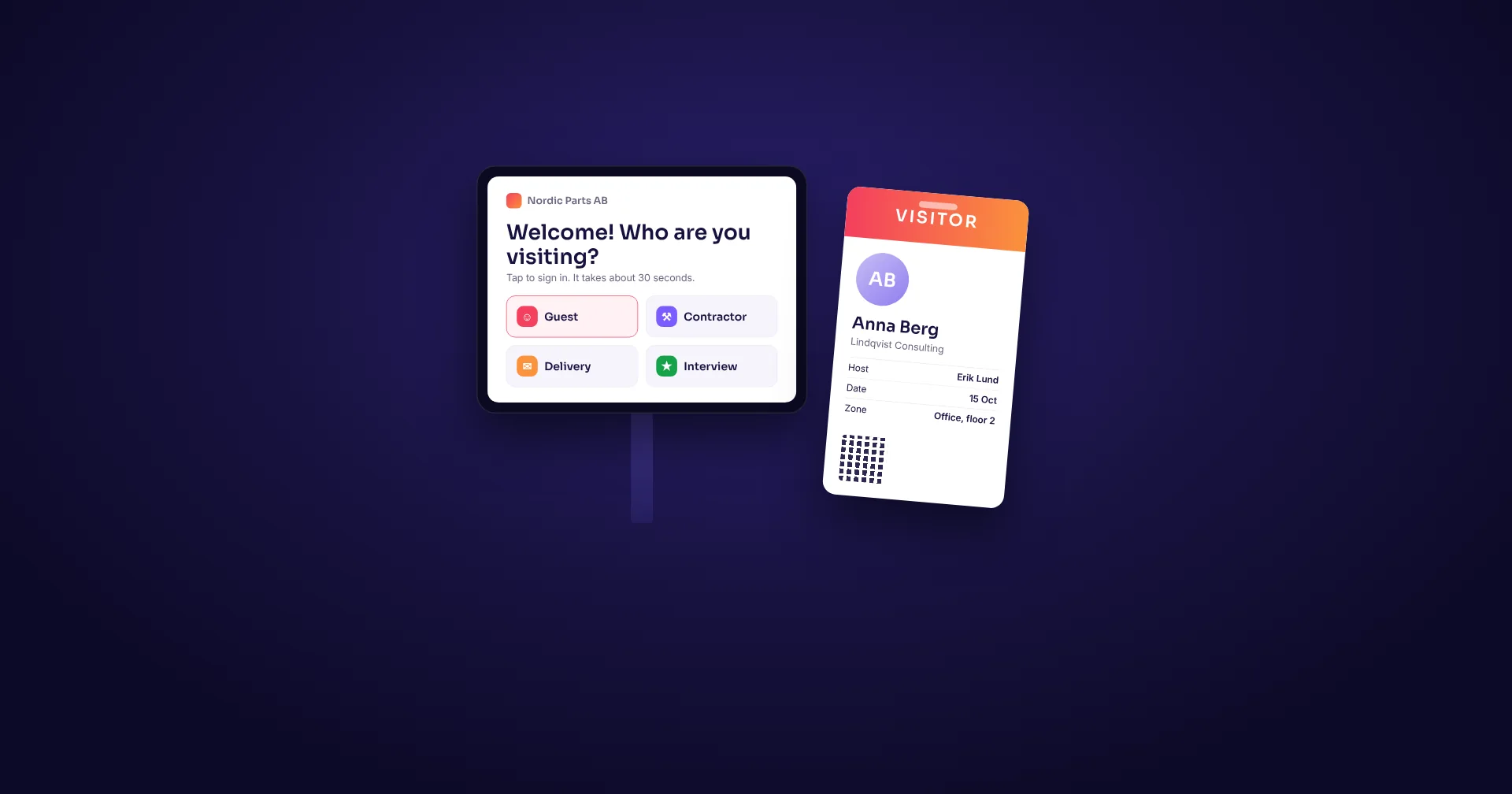
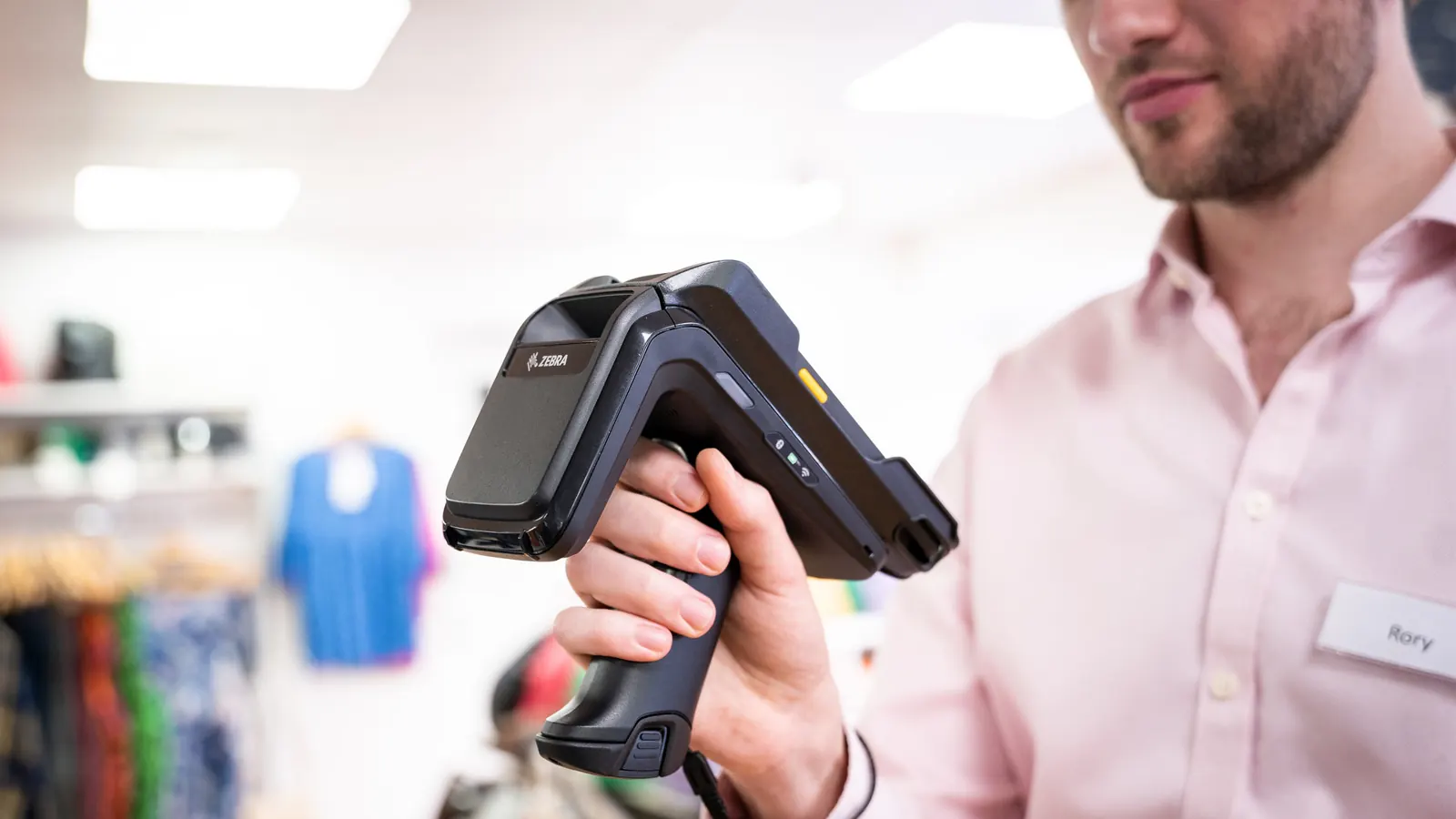
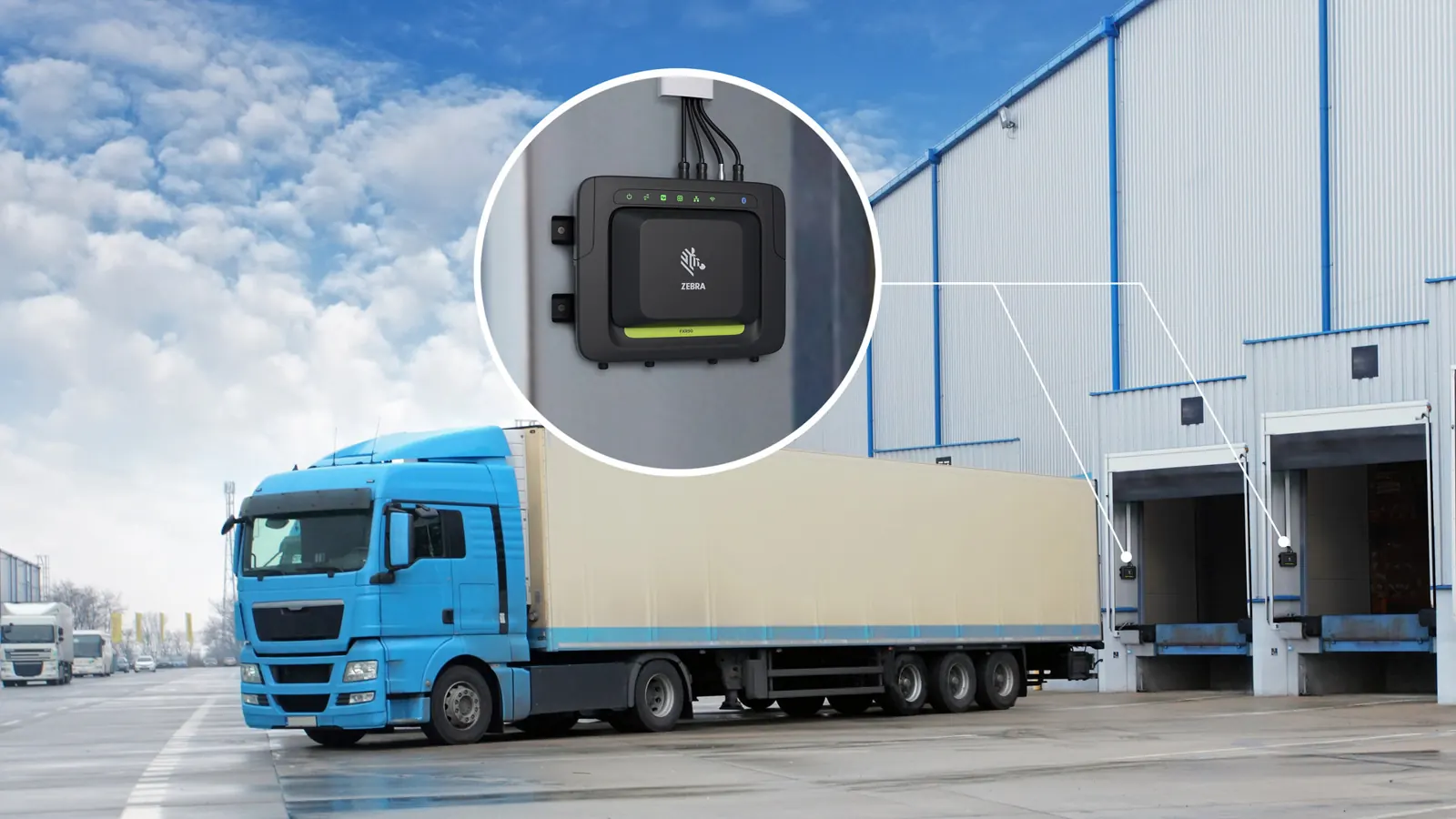
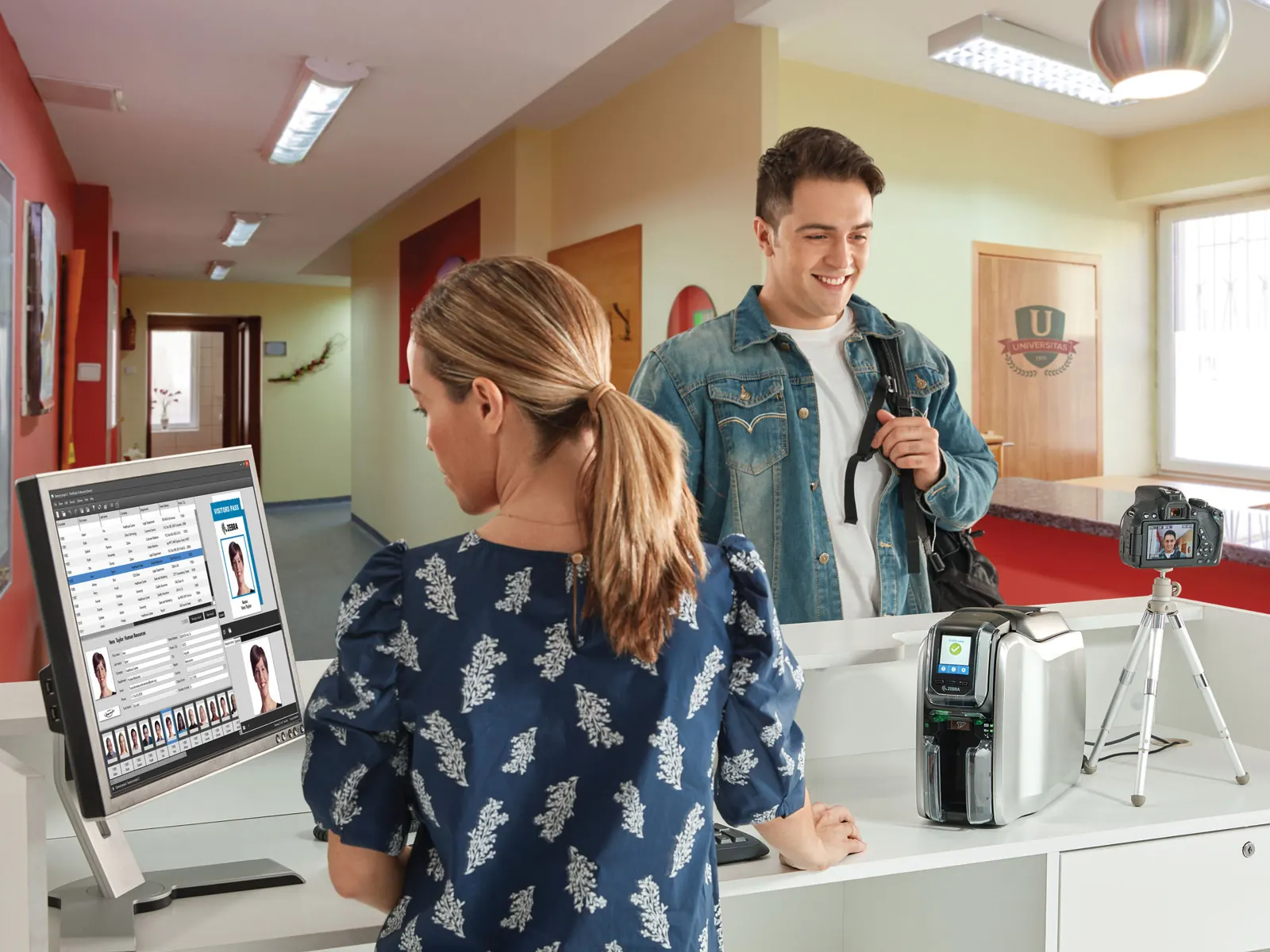
A normal visitor system signs people in, prints or sends a badge and tells the host they have arrived. An RFID visitor badge carries a small chip that a reader picks up without contact. That opens three things a paper badge cannot do. The badge can open the doors the visitor is allowed through, and only those. Readers at gates or doors can record when the visitor really left, so nobody stays checked in by mistake. And a reusable plastic RFID card can be handed to the same contractor every week instead of printing a new badge each time.
When RFID visitor badges are worth it
- You control doors or zones, such as the DC floor, a cash office or a stockroom
- The same contractors and drivers return every week
- You need a reliable headcount for fire drills and evacuations
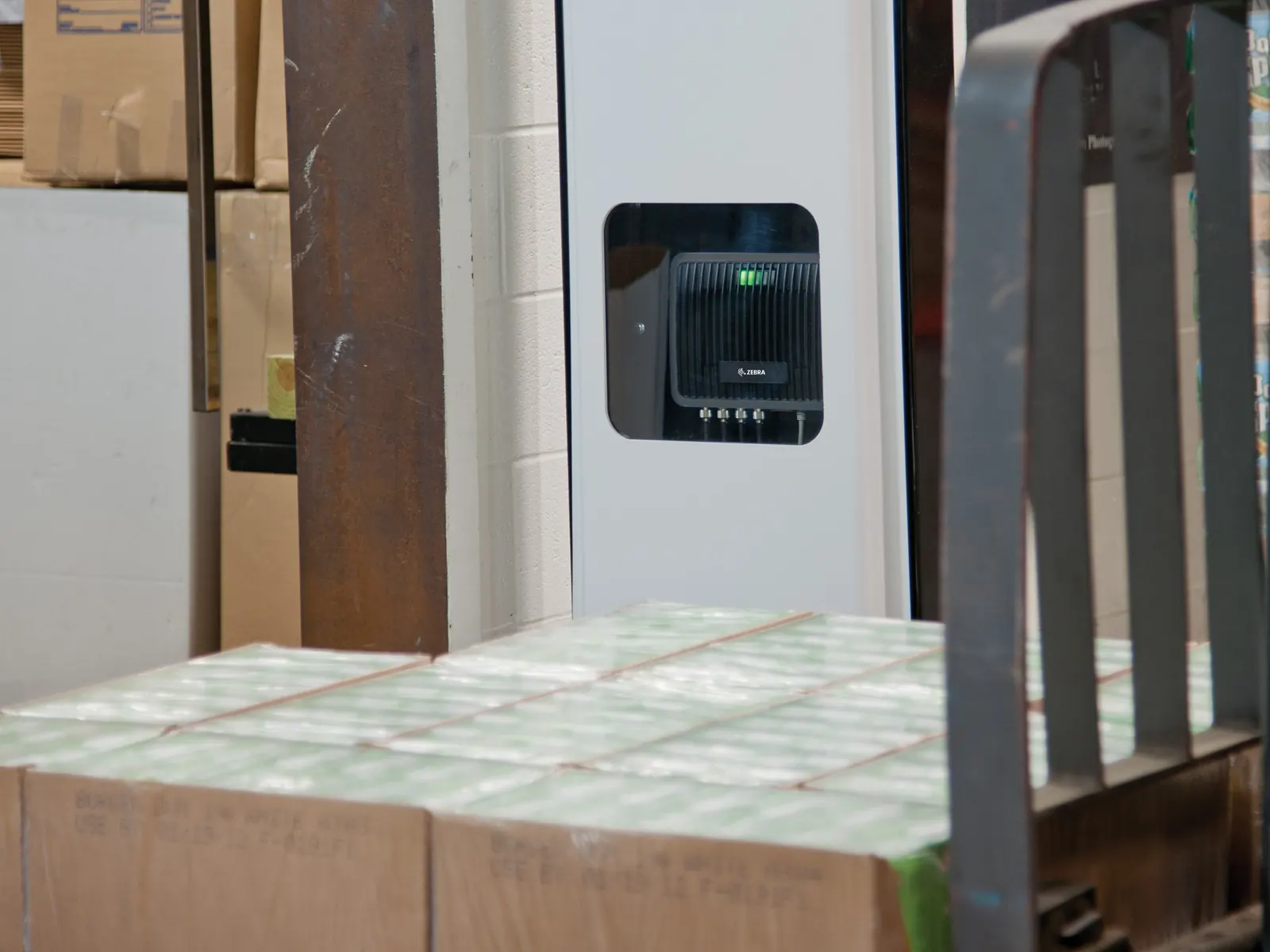
- You already use RFID readers for stock, so the hardware is there
- Auditors or insurers ask for proof of who entered which area
When QR or paper badges are enough
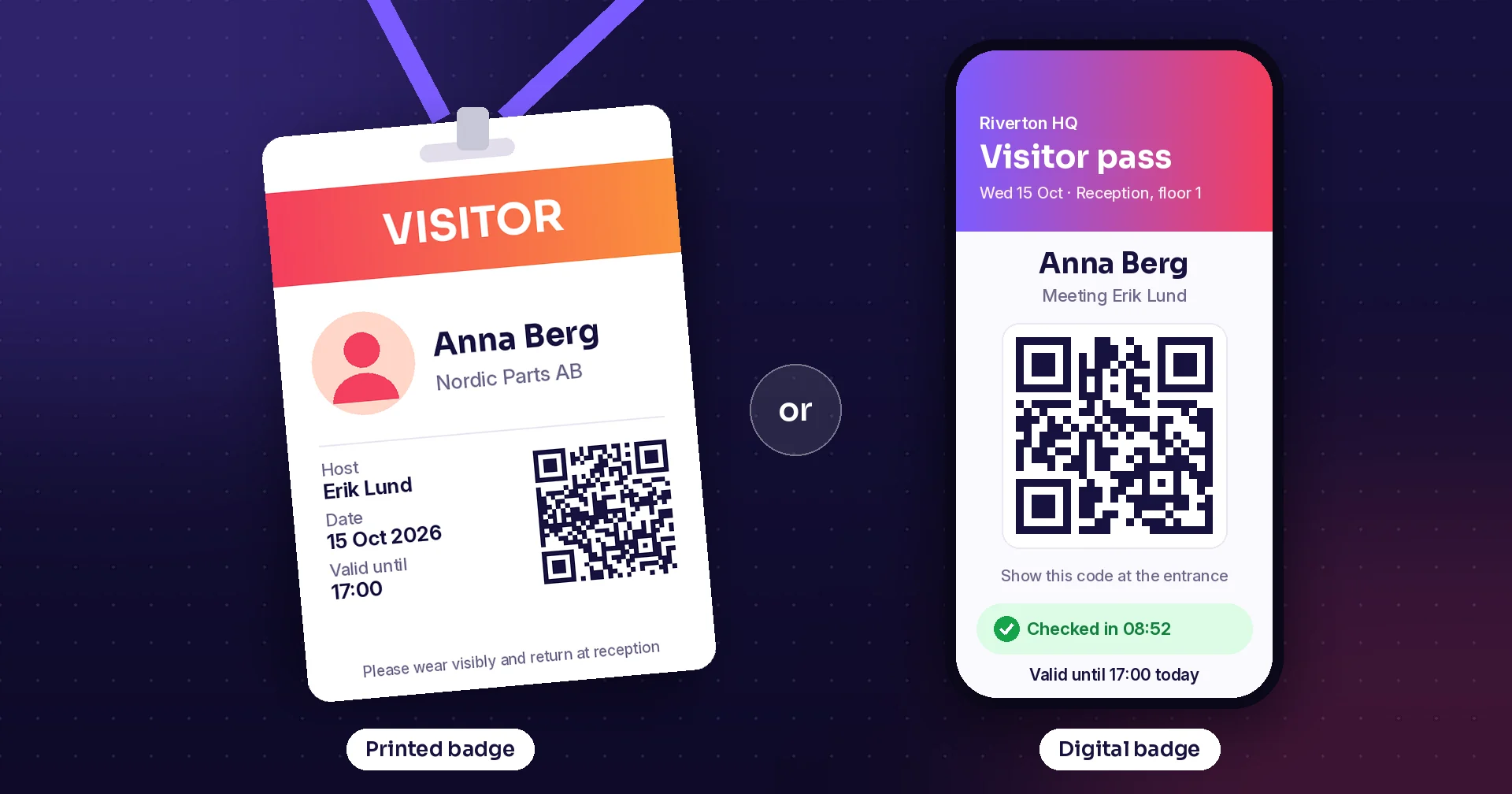
A single store with a few deliveries a day rarely needs RFID. A QR code sent before the visit, a quick sign-in on a tablet and a printed paper badge do the job at a fraction of the cost. The same goes for a small head office where reception can see everyone who comes and goes. In these places the money is better spent on getting every visitor signed in at all, because the biggest gap is usually the visitor who was never registered. If you are weighing badge types, see our comparison of printed and digital visitor badges.
| QR or paper badge | RFID visitor badge | |
|---|---|---|
| Cost per visit | Very low, paper or a phone screen | Higher at the start, cards can be reused |
| Sign-in speed | Fast with pre-registration and QR | Fast, tap at the kiosk or door |
| Check-out | Scan the badge or check out manually | Can be recorded by readers at the exit |
| Door and zone access | No, staff must let people in | Yes, only the doors you allow |
| Repeat contractors | New badge each visit | Same card every visit |
| Best fit | Single stores, small offices | Distribution centres, head offices, larger stores |
How to decide for your sites
Start with the question that matters most: where would a visitor in the wrong place cost you money or put someone at risk? Map your sites by visitor type and volume. Then run RFID where you have doors to control and repeat visitors, and keep QR and paper badges everywhere else. One visitor system can run both, so a store and a distribution centre do not need different tools. For the full rollout, read 10 things to get right when implementing a visitor management system.
Where Raptool fits
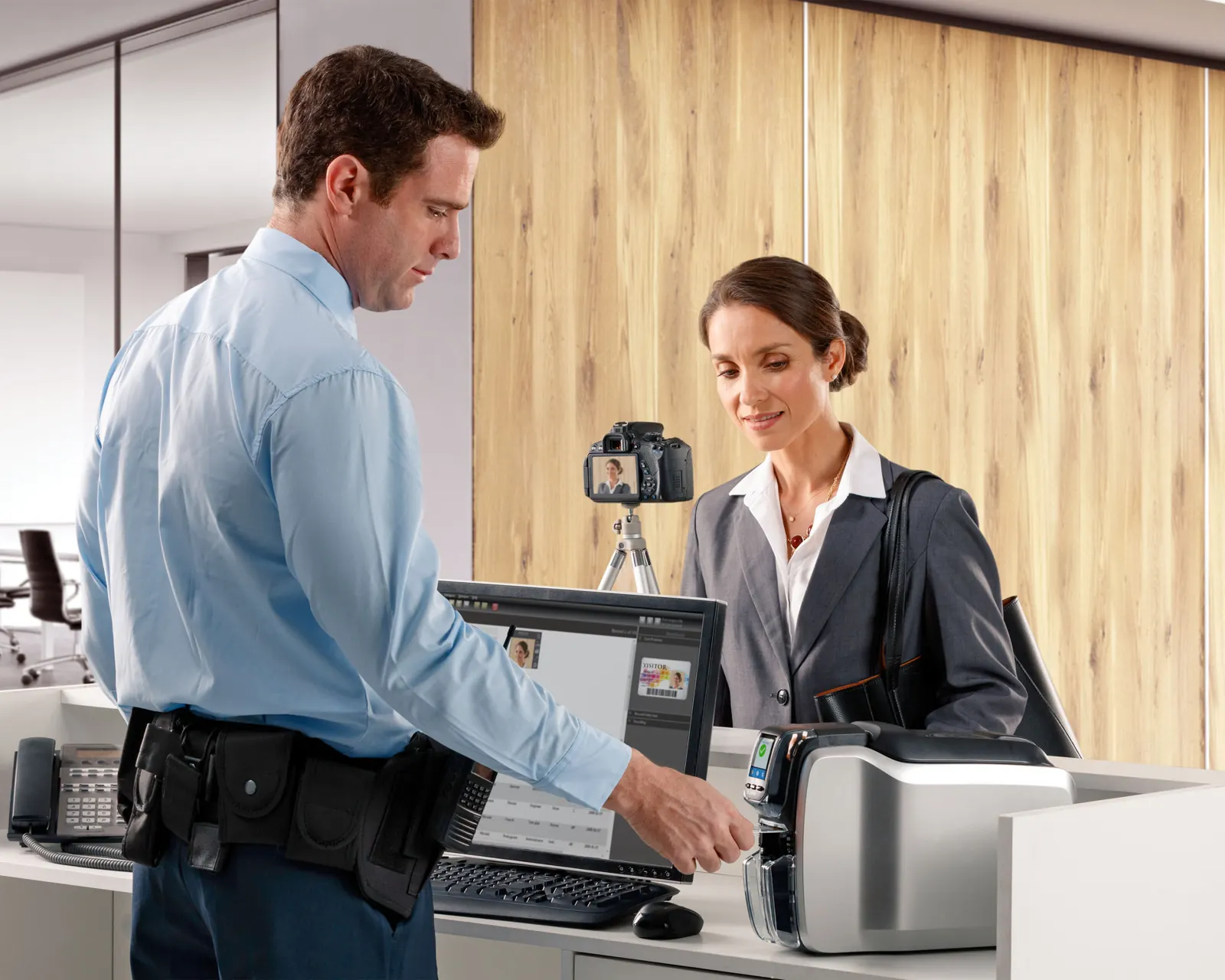
The Raptool visitor management system runs as a real app on Windows, Android and iOS, so it is fast and keeps working offline. Visitors can be pre-registered with touchless QR entry, sign documents in advance, and get a printed paper or plastic badge or a digital badge by email. Hosts get a notice when their visitor arrives. Check-out works with a barcode scanner or automatically, and the evacuation app shows who is still on site. You decide when personal data is deleted, for example after 180 days, which helps with GDPR. Raptool is a Zebra Technologies partner, and Raptool Client gives apps access to RFID readers as well as scanners and printers. See our retail apps, read how RFID cut store counts from ten hours to one, or learn why RFID belongs in your warehouse.
Key benefits
- Know who is on site at every location
- Give contractors access only where they need it
- Check visitors out without chasing them
- Reuse RFID cards for regular visitors
- Use QR and paper badges where RFID does not pay off
Frequently asked questions
Is RFID worth it for visitor management in retail?
It is worth it where you control doors or zones and have many repeat visitors, such as distribution centres and head offices. For a single store with a few deliveries a day, QR sign-in and paper badges are usually enough.
What is the difference between an RFID visitor badge and a QR badge?
A QR badge is scanned by a camera or barcode scanner. An RFID badge has a chip that a reader picks up without contact, so it can also open doors and record exits automatically.
Can one visitor system handle both RFID and QR badges?
Yes. Many retailers use RFID at distribution centres and head offices and QR or paper badges in stores, all in the same visitor management system.
Does a visitor management system help with GDPR?
It can. In the Raptool visitor system you set how long personal data is kept, visitors can ask to be removed, and you can ask for consent before storing data for returning visitors.
Tags
Want to see which of your sites would gain from RFID visitor badges? Book a demo and we will walk through your visitor flow with you.
Book a demo