Overview
RFID inventory turns a slow, tiring store count into a quick walk-through. Counting stock by hand is easy to get wrong, and telecom operator Telenor knew this well. Each store spent about ten hours a month on inventory, and every store did it a little differently. Then Telenor moved to RFID, working with RFID specialist Lexit Group. Today a store count takes about one hour. Here is what changed, and what any retailer can learn from it. For the wider picture, see our retail store apps.
The problem with manual counts
Before RFID, staff went through hundreds or thousands of products one by one. The work was hard on the body and hard on the mind. Stores could not close during the count, so staff counted and served customers at the same time. That stress led to mistakes, and mistakes showed up as gaps between the shelf and the system.
“I felt anxiety when I knew we would inventory. We were three to four salespeople, and it was an all-day job.”
Antonia Niclason, Store Manager, Telenor
What RFID inventory changes
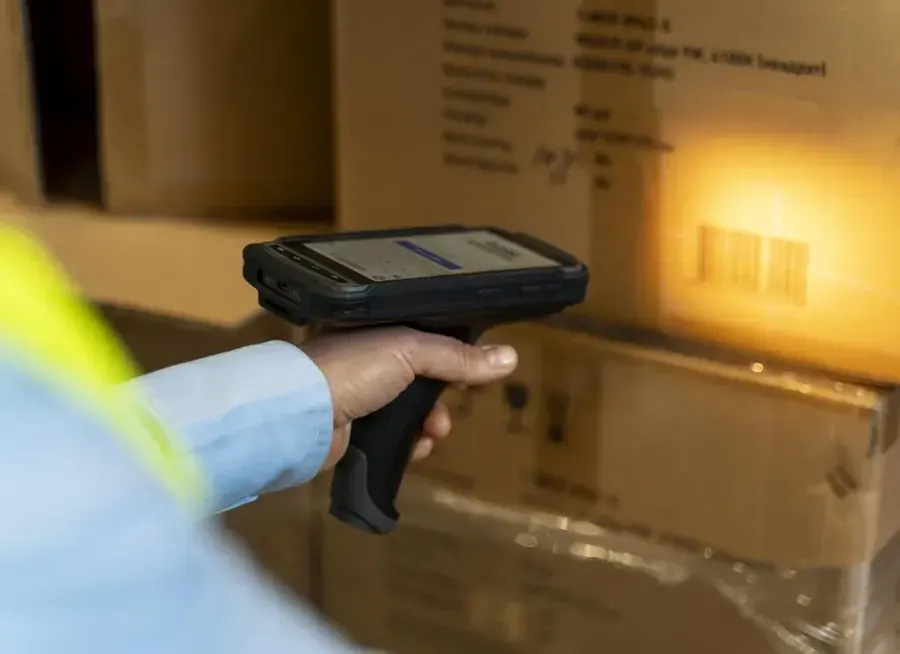
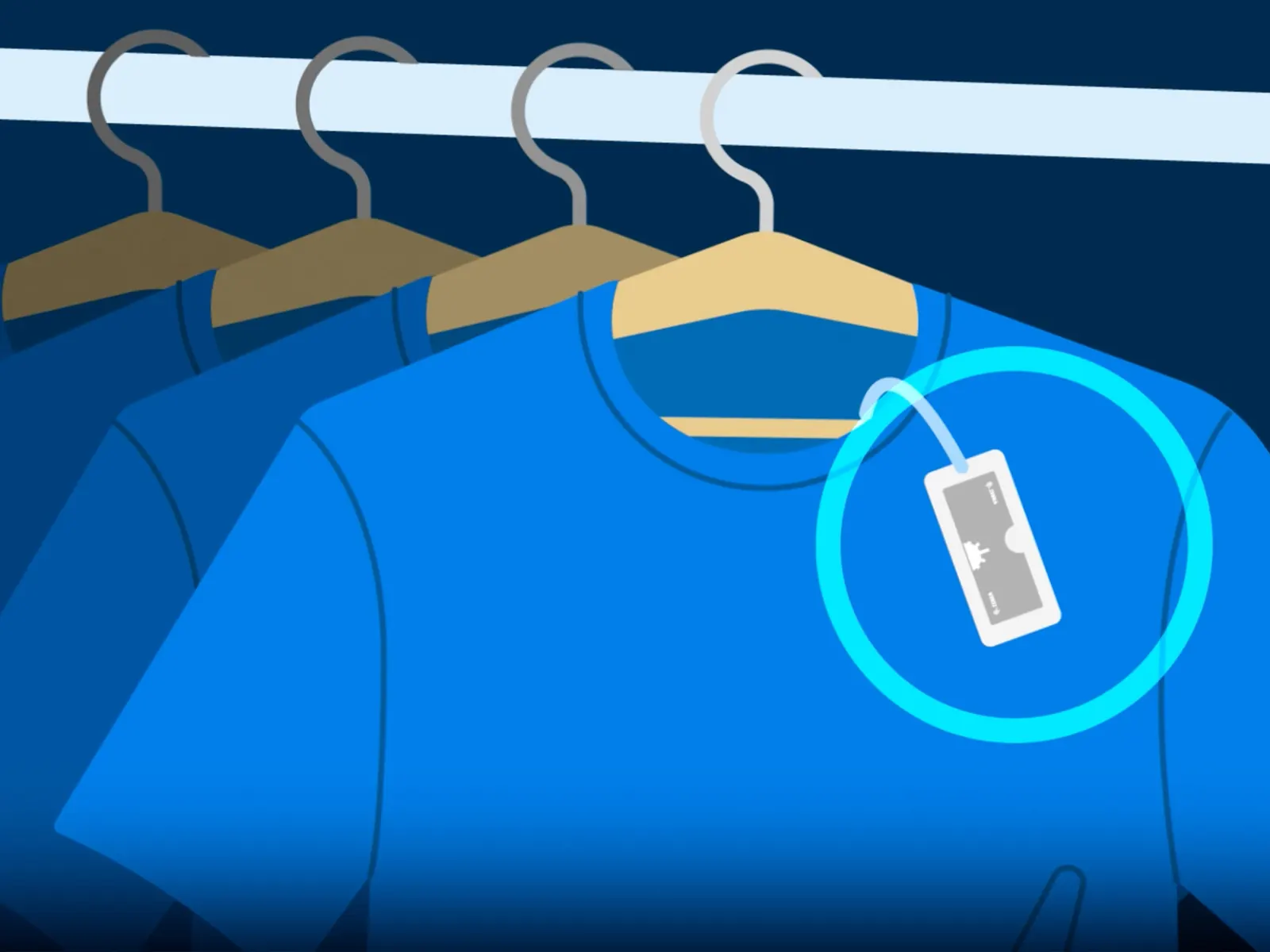
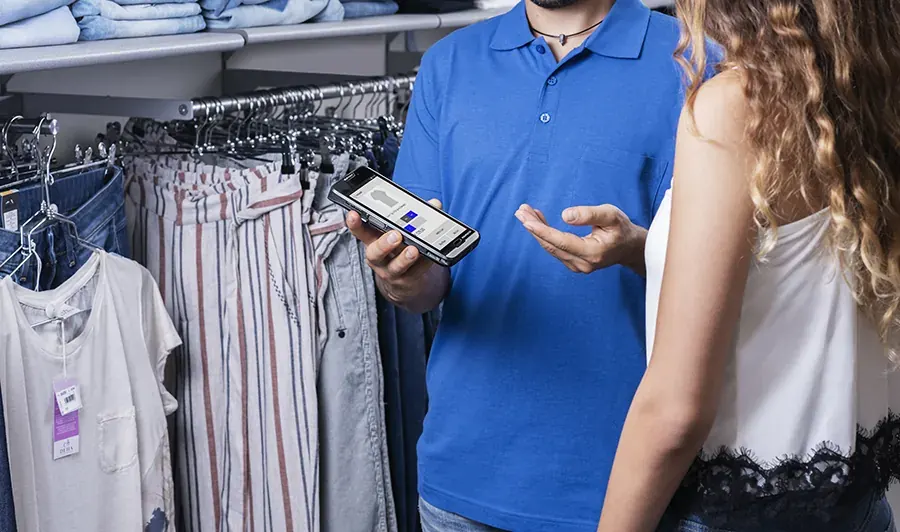
With RFID, each item carries a tag that a reader picks up by radio. Staff do not need to see or scan every label. They walk the store with a reader and capture the full stock position quickly and with high accuracy. Telenor and Lexit chose hardware and software together, with a focus on a setup that can grow over time.

The results: RFID stock counts in about an hour
Inventory time fell from about ten hours to about one hour per store each month. Stock control got better and system gaps shrank. Costs went down. Staff can now spot-check a single item in seconds, and the range can be adjusted more freely.
“Customers may not notice how we inventory, but they notice we have more staff out on the floor.”
Kent Lindblom, Manager Retail Operations, Telenor
What this means for your stores
The biggest gain is not the hours saved. It is what staff do with those hours. Fewer hours counting means more time with customers, and fewer errors means you can trust your stock figures. If your stores still count by hand, start by asking how many hours a month that costs, and how often the numbers are wrong afterwards.
Where Raptool fits
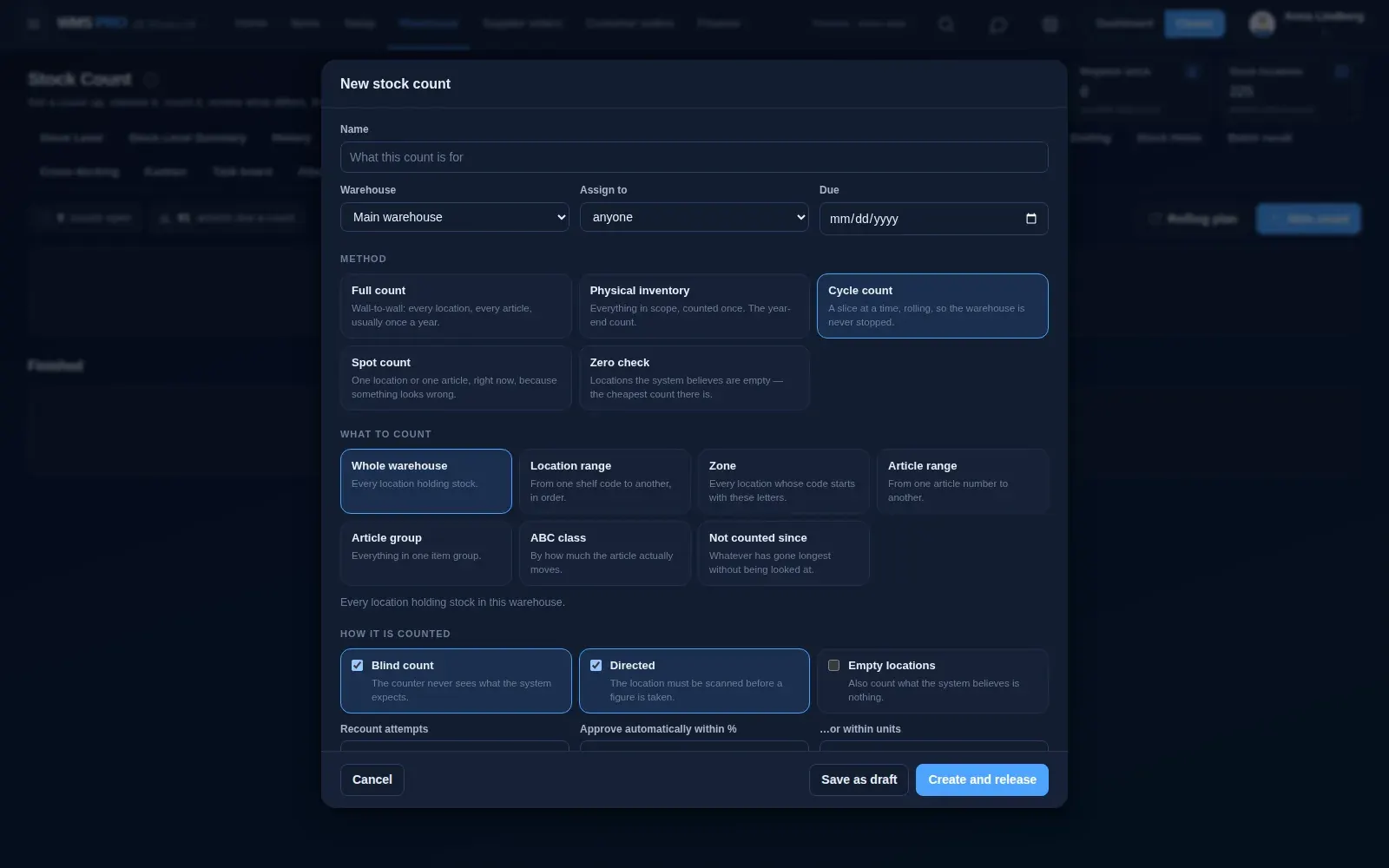
If you want to run RFID stock counts in your own stores, the app on the reader matters as much as the reader. Raptool Client runs natively on Android, iOS, Windows and Mac. It gives your team access to RFID readers, barcode scanners, the camera and label printers, online and offline. Raptool is a Zebra Technologies partner and also works with Honeywell, Datalogic and Newland devices. Through the Integration Server, counts can flow to ERPs such as SAP, Microsoft Dynamics, Fortnox and Visma. See our retail apps, read why RFID belongs in your warehouse, or learn why barcode scanning beats paper.
Key benefits
- Store counts in about one hour instead of ten
- Fewer gaps between shelf and system
- Quick spot checks on single items
- Less stress for store staff
- More people on the sales floor
Frequently asked questions
How long does an RFID store inventory take?
In Telenor's stores, an inventory went from about ten hours a month with manual counting to about one hour per store with RFID, according to Lexit Group's case study.
How does RFID inventory work?
Each item carries an RFID tag. A handheld reader picks up many tags at once by radio, without a line of sight to each label, so staff walk the store instead of scanning every item.
Can RFID and barcodes be used together?
Yes. Many stores and warehouses use RFID where speed matters and barcodes everywhere else. Raptool supports both in the same app.
Which devices does Raptool support for RFID?
Raptool Client gives your apps access to RFID readers. Raptool is a Zebra Technologies partner and also works with Honeywell, Datalogic and Newland devices on Android, iOS, Windows and Mac.
Source: Lexit Group customer story, “Telenor effektiviserar butiksinventering med RFID” (in Swedish). Quotes translated from Swedish.
Tags
Curious what faster, more accurate stock counts could look like in your stores? Book a demo and talk to us about scanning and RFID.
Book a demo