DEVICE MANAGEMENT SOFTWARE · IS IT WORTH THE MONEY?
One scanner has the wrong app. Another has lost its settings. The replacement device is still on somebody's desk waiting to be configured.
A fleet of phones, tablets or scanners creates work long after the purchase order. Somebody has to prepare replacements, distribute changes, control access and help people when a device stops doing its job. Device management software can make that work more consistent. The license needs to earn its place in the operation.
You are managing the working setup
Mobile device management, often shortened to MDM, applies settings and controls to enrolled devices. Products vary, but the jobs can include enrolling equipment, distributing approved apps, applying policies and supporting retirement or replacement. Enterprise mobility management and unified endpoint management products may cover a broader scope.
Android Enterprise describes different management arrangements for personal and business use, business-only equipment and dedicated devices. Those distinctions matter: a shared warehouse scanner and an employee's personal phone should not automatically receive the same treatment.
A business app and a device-management service do different jobs. The app handles work such as receiving stock or recording an inspection. The management service helps administer the device that runs it. Installing a Raptool Client does not, by itself, establish that a full MDM service is included.
The strongest case is repeated work across a fleet
Consider a replacement scanner. If a technician must manually install applications and re-enter the same settings every time, the operation repeats a job that management software may be able to standardize. The value grows when devices are spread across branches or needed outside the hours when local IT is available.
Shared and dedicated equipment creates another reason to investigate. Android's dedicated-device guidance covers equipment used for specific tasks, including inventory work and kiosks. Test whether your chosen management product can preserve the required experience without preventing legitimate support.
| Repeated problem | Potential improvement | Measure it |
|---|---|---|
| Slow replacement setup | Repeatable enrolment and configuration. | Time until the replacement can complete a real job. |
| Different app versions | Controlled distribution and staged rollout. | Update success, failures and recovery effort. |
| Remote support visits | Supported remote diagnosis or assistance. | Paid visits avoided and time to restore service. |
| Unclear ownership | Inventory and documented assignment. | How quickly staff identify and retire a device. |
For a handful of low-risk devices in one office, existing tools and a documented setup may be sufficient. There is no universal fleet size at which a management license becomes worthwhile. A small fleet essential to every transaction can justify more attention than a large collection of rarely used tablets.
Ask about the model, operating system and enrolment
Remote support does not mean identical remote control on every platform. Verify the exact device, OS version, ownership arrangement and management mode. SOTI publishes a certified-device reference for its products. Use the relevant supplier's current compatibility information and a real-device test rather than assuming that a manufacturer name is enough.
Management also needs a working path to the device. An offline unit cannot instantly receive a new instruction. Plan staged updates and a recovery route when a change goes wrong. An update that interrupts every scanner at the start of a shift can cost more than the manual work it replaced.
Understand what a destructive action does before authorising it. Microsoft documents full-device wipe separately from app protection. Removing company app data and resetting an entire phone are different operations. Explain the chosen arrangement to staff and restrict administrative access accordingly.
Ask who monitors the management console, handles failed policies and maintains device support. Software can automate repeated steps; it still creates administration that belongs in the budget.
Count the support you can stop paying for
One hundred devices, with an explicit break-even test
Assume a license cost of €3 per device per month: 100 × €3 × 12 = €3,600 a year. Add 40 hours of paid administration at €35: €1,400. Total recurring cost is €5,000.
If measured changes avoid 200 paid support hours a year at €35, gross avoided cost is €7,000. Net recurring cash savings would be €2,000. With €3,000 setup, simple payback is 18 months and first-year cash flow is €1,000 negative.
Those assumptions must be earned in the pilot. If support staff simply use the released time for other work, describe the result as capacity. The recurring cost above requires roughly 143 avoided paid hours at €35 just to break even, before recovering setup costs.
Keep operational benefits separate. Restoring a checkout tablet faster may protect service, but do not multiply every minute of downtime by an invented sales-loss rate. Use verified costs or report the service measure on its own.
Enrol the awkward device too
Choose a representative group covering your actual hardware, networks and usage. Configure a replacement, distribute an app change and restore a failed unit. Check what happens after a device has been offline. Demonstrate retirement without touching a real employee's personal data.
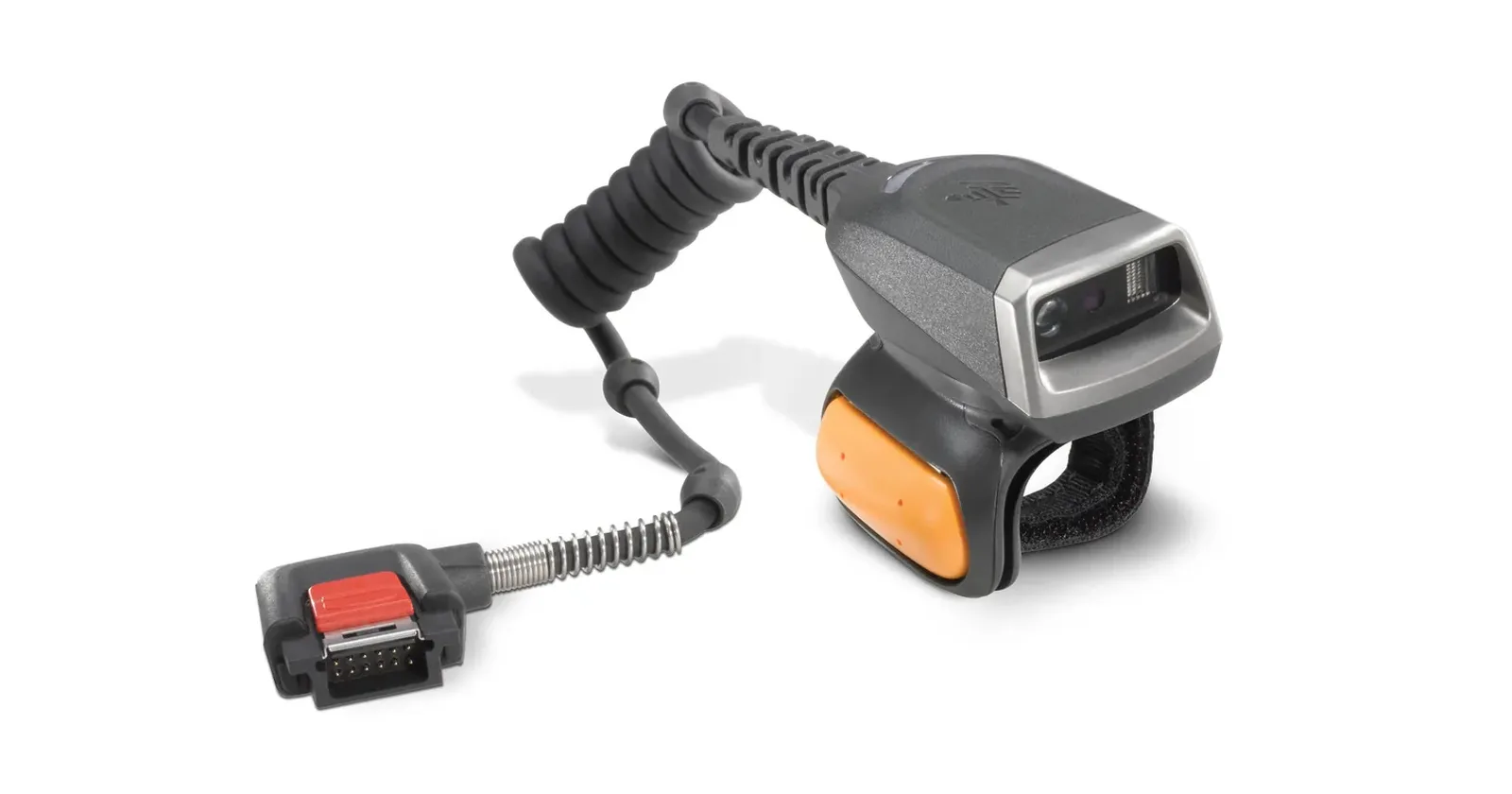
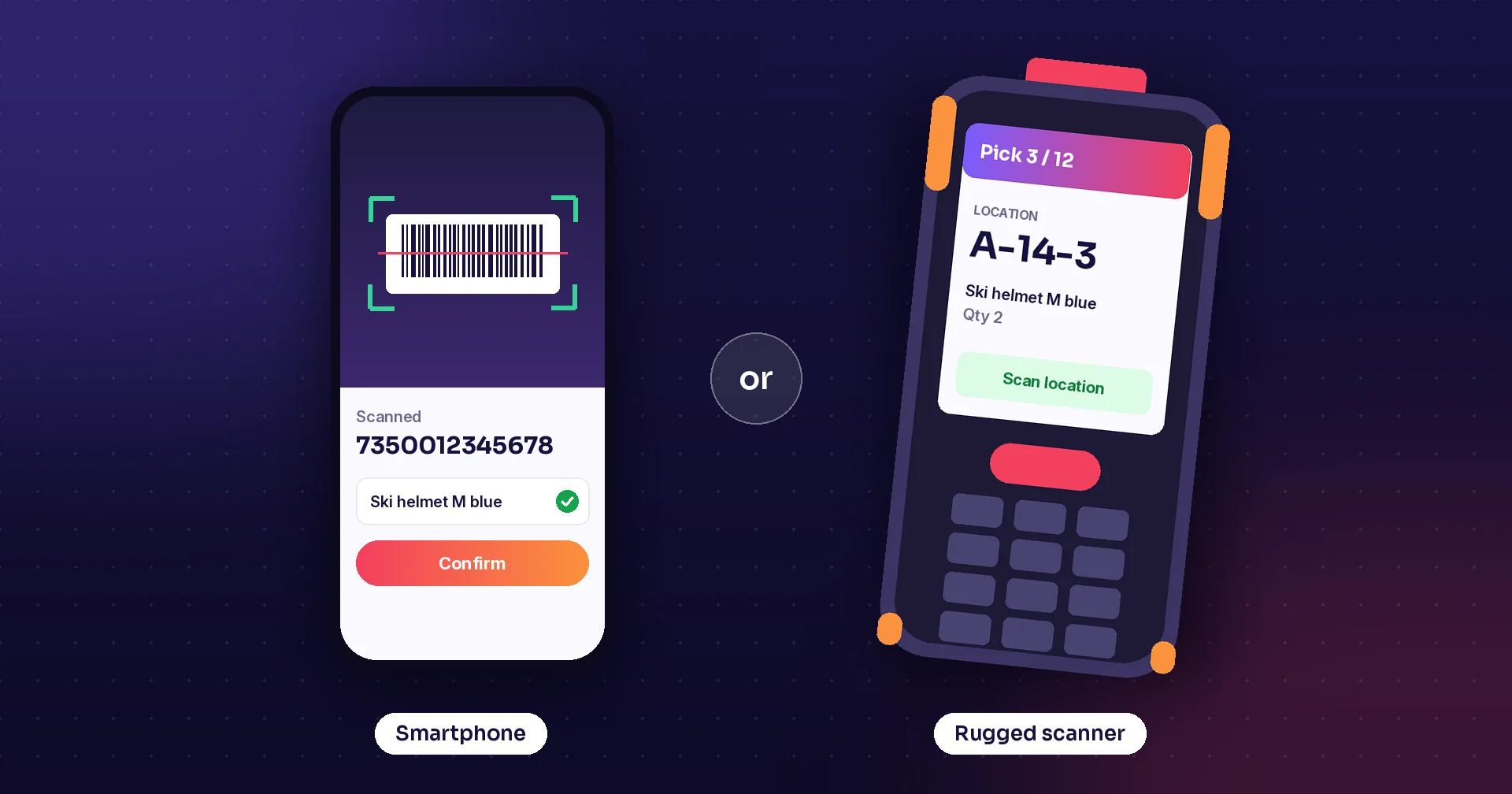
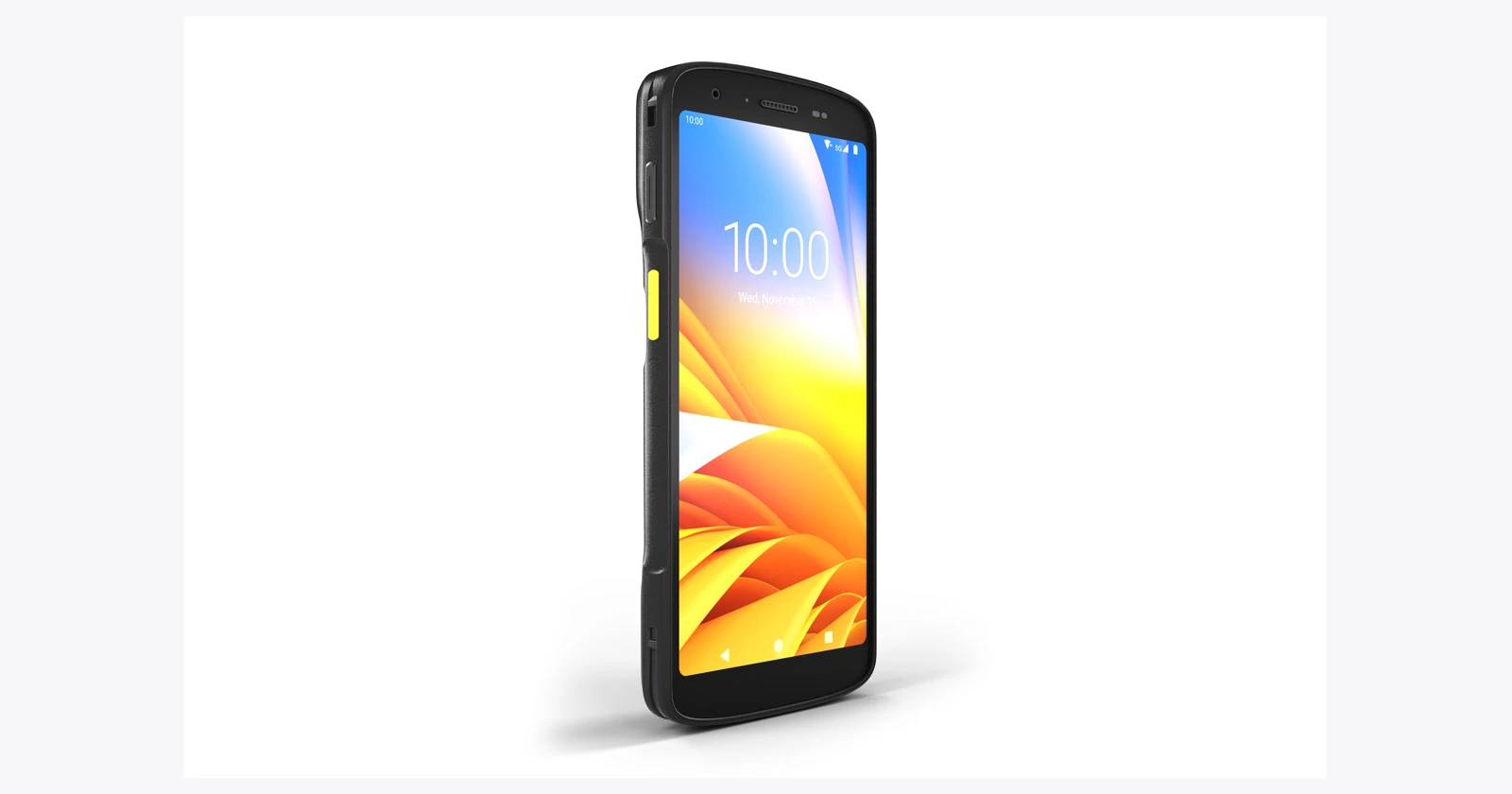
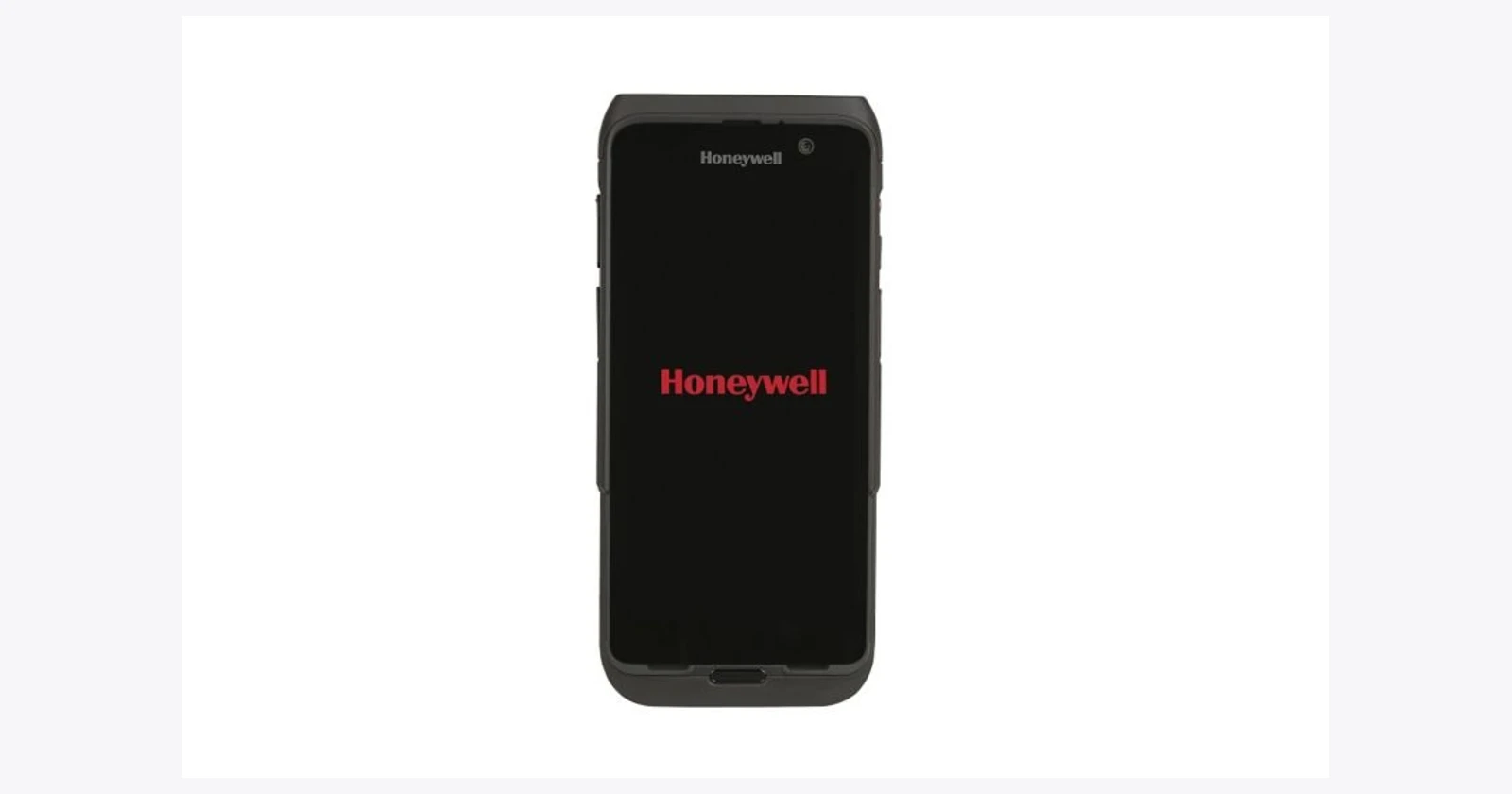
The pictured Zebra TC22 and Honeywell CT47 are catalog examples of work devices. Their inclusion does not certify an MDM product or every pictured configuration. Use the maintained hardware links as a starting point for the supplier's device check.
Buy management software when its controls, support improvements and avoided work justify its full cost. If the team cannot identify what becomes easier, a dashboard of enrolled devices will not make the decision for them.
Questions behind the decision
When is device management software worth paying for?
When its supported controls, avoided work and service improvements justify licenses, administration and setup. Fleet size alone does not decide the answer.
Does every device support the same remote management?
No. Verify the exact model, OS, enrolment mode and supplier support. The catalog photographs do not establish management compatibility.
What does the illustrative fleet example save?
Assuming €7,000 in avoided paid support and €5,000 recurring costs, annual net cash savings are €2,000. With €3,000 setup, simple payback is 18 months. These are hypothetical assumptions, not supplier prices or measured results.
Sources and scope
Research checked October 2026. Sources are linked beside factual claims. Worked scenarios are illustrative, not customer results or supplier quotes. Screenshots show published platform material; device photos are catalog references, not compatibility certification.